


I watched my friend Mike struggle through a century ride last summer, constantly stopping to adjust his socks. Every twenty miles, he would pull over, unlace his shoes, and try to smooth out the bunching fabric that created hot spots under his cleats. By mile sixty, he had developed painful blisters that forced him to abandon the ride early. The frustrating part was that he had invested hundreds of dollars in premium cycling shoes but wore cheap cotton athletic socks that bunched, retained moisture, and created friction. That ride taught both of us an important lesson about cycling socks. The connection between your foot and pedal matters enormously, and what sits between them affects power transfer, comfort, and endurance more than most riders realize.
Cycling creates unique demands that regular athletic socks cannot handle effectively. The constant circular pedaling motion, pressure from cleats, hours in the saddle, and need for moisture management require sock designs specifically engineered for cycling. Over years of road riding, mountain biking, and testing dozens of cycling sock options, I have learned which features actually improve performance versus which are just marketing claims. Consequently, this guide explains everything cyclists need to know about choosing socks, from understanding how height affects aerodynamics to selecting materials that prevent blisters during long rides.
Quick Answer
The best cycling socks combine thin seamless construction with moisture-wicking synthetic materials and compression that supports the arch without restricting circulation. Quality cycling socks typically cost between twelve and thirty dollars per pair. They differ from regular athletic socks through lighter weight, taller cuffs for road cycling, strategic ventilation zones, and materials that dry quickly during intense efforts. Moreover, proper cycling socks improve pedaling efficiency, prevent hot spots and blisters, and enhance comfort during rides lasting several hours.
Why Cycling Demands Specialized Socks
The pedaling motion creates constant repetitive friction in specific pressure zones where feet contact shoes and cleats engage pedals. Running involves heel strike and toe off in a linear pattern, while cycling keeps the ball of the foot planted with circular rotation. This fundamental difference means cycling socks need protection in different areas than running socks provide. Additionally, the rigid sole of cycling shoes transfers all cleat pressure directly through the sock to the skin, making any bunching or seam placement critical.
Cycling also generates significant heat and sweat in an enclosed shoe environment. Road shoes especially offer minimal ventilation compared to running shoes. Meanwhile, the continuous pedaling motion never allows feet to cool between steps like walking or running does. Consequently, moisture management becomes essential for preventing the maceration and friction that create blisters. Therefore, cycling socks must move sweat away from the skin faster than standard athletic socks.
For athletes dealing with foot moisture issues, our guide on the best moisture-wicking socks covers additional options.
The aerodynamic consideration matters more in cycling than in any other endurance sport. At speeds above fifteen miles per hour, wind resistance becomes the primary force cyclists fight against. Sock height and smoothness affect the airflow around lower legs, which explains why professional cyclists obsess over seemingly minor sock details. However, this aerodynamic factor must balance with comfort and weather protection. Consequently, choosing appropriate sock height depends on riding style, conditions, and priorities.
Understanding Sock Height and Aerodynamics
Traditional cycling wisdom held that shorter socks reduced weight and material, making them faster. However, modern wind tunnel testing reveals that taller socks actually improve aerodynamics by smoothing airflow over the ankle and lower calf. The rough texture of skin creates more turbulence than smooth sock fabric. Additionally, the compression from properly fitted tall socks reduces muscle vibration, which also affects aerodynamic efficiency. Therefore, most competitive road cyclists now choose socks at least six inches tall.
Mountain biking prioritizes different factors where aerodynamics matter less than protection. Taller socks shield shins from trail debris, thorns, and poison ivy that shorter socks leave exposed. The extra coverage also provides warmth during cool morning rides and reduces sunburn exposure on long days. However, extremely tall socks sometimes interfere with knee pads or create excessive heat in summer. Consequently, most mountain bikers choose mid calf height that balances protection with breathability.
Riders interested in various sock lengths can explore our best crew socks and best ankle socks collections.
Gravel and adventure riding splits the difference between road and mountain priorities. These mixed surface rides encounter variable conditions where moderate sock height provides versatility. The typical five to seven-inch cuff offers some aerodynamic benefit on paved sections while providing basic protection on rough terrain. Additionally, this height works well with most riding shoes regardless of the cleat system.
Critical Features in Cycling Sock Design
Seamless toe construction eliminates the primary source of cycling blisters. Traditional sock seams across the toe box create pressure points exactly where cleat forces concentrate. Even thin seams become painful friction zones during multi-hour rides. However, seamless knitting technology removes this irritating source completely. Consequently, serious cyclists should never accept socks with toe seams regardless of other features.
Material composition affects everything from moisture management to durability. Merino wool provides natural temperature regulation and resists odor development better than synthetics. The fibers wick moisture effectively while maintaining warmth when wet. However, merino typically costs more and wears out faster than synthetic alternatives. Meanwhile, synthetic blends using nylon, polyester, and elastane dry faster, last longer, and usually cost less. The trade-off involves natural comfort versus technical performance and longevity.
For more on performance sock materials, see our comprehensive guide on the best running socks, which covers similar technical fabrics.
Arch compression provides mid-foot support that improves pedaling efficiency and reduces fatigue. The targeted pressure holds the sock securely in position while supporting the arch during power transfer. Additionally, light compression improves proprioception, which helps cyclists maintain optimal foot position on pedals. However, excessive compression restricts circulation and causes discomfort. Therefore, cycling socks use moderate compression focused on the arch rather than graduated pressure up the entire leg.
Ventilation zones and mesh panels enhance breathability in high-heat areas. The ball of the foot generates the most cycling-related sweat because constant pressure and friction concentrate there. Strategic mesh placement allows heat and moisture to escape while maintaining sock structure elsewhere. Furthermore, ventilation on the top of the foot helps since most cycling shoes include vents in that area.
Comprehensive Questions Cyclists Ask About Socks
Performance and Fit Questions
Do cycling socks actually improve performance?
Quality cycling socks improve comfort, which indirectly enhances performance by allowing riders to focus on effort rather than discomfort. Additionally, proper arch support and compression can improve pedaling efficiency marginally. However, the primary benefit comes from preventing blisters and hot spots that would otherwise force shorter rides or reduced intensity.
How tight should cycling socks feel?
Cycling socks should feel snug around the arch and ankle without causing numbness or visible skin indentation. The sock should not slide or bunch inside the shoe during pedaling. However, if your feet feel numb after thirty minutes or you see deep marks when removing socks, they are too tight.
What sock height is best for road cycling?
Most road cyclists benefit from a six to eight-inch cuff height. This length provides aerodynamic advantages while looking proportional with modern cycling kits. However, shorter riders sometimes prefer five-inch cuffs to maintain visual leg length proportions.
Do mountain bikers need different socks than road cyclists?
Mountain bike socks typically use slightly thicker materials for durability and often include taller cuffs for shin protection. However, the fundamental features of moisture wicking, seamless construction, and arch support remain equally important across cycling disciplines.
Material and Care Questions
Are merino wool or synthetic cycling socks better?
Merino wool excels at temperature regulation and odor resistance, making it ideal for variable weather or multi-day tours. Synthetics dry faster and last longer, working better for hot weather or frequent washing. Neither is definitively superior; the choice depends on riding conditions and personal priorities.
How long do quality cycling socks last?
Well-made cycling socks typically survive one to two seasons of regular use before elastic degradation reduces their compression and fit. Frequent riders should replace socks when they start sliding inside shoes or develop holes in high-wear areas.
Can you machine wash cycling socks?
Yes, most cycling socks tolerate machine washing on gentle cycles. However, air drying preserves elastic properties better than machine drying. Additionally, washing inside out protects the outer surface and any logos or patterns.
Comfort and Problem Solving
Why do my feet go numb during long rides?
Numb feet usually result from shoes that are too tight, over-tightened straps, or excessively thick socks. Try thinner cycling-specific socks and loosening shoe retention systems slightly. Additionally, periodically flexing toes during rides helps maintain circulation.
How do you prevent blisters from cycling?
Choose seamless socks that fit properly without bunching, ensure cycling shoes fit correctly, and use sock liners if still experiencing problems. Additionally, applying anti-chafe balm to known hot spot areas provides extra protection during long rides.
Do cycling socks help with hot feet?
Thin socks with ventilation zones significantly reduce foot temperature compared to thick cotton socks. However, shoe ventilation and proper fit matter more than sock choice alone. Consider shoes with better airflow if heat remains problematic.
Technical and Specialty Questions
Should you wear compression socks for cycling?
Light compression focused on the arch benefits most cyclists. However, full calf compression socks designed for running often feel too restrictive during the bent-knee position cycling requires. Stick with cycling-specific compression rather than running compression. For more on compression benefits, see our best compression socks guide.
Do professional cyclists really care about sock height?
Yes, professional teams work with aerodynamicists who test everything, including sock specifications. However, the performance difference between five andseven-inchh socks matters more at forty kilometers per hour than at twenty. Recreational riders should prioritize comfort over marginal aero gains.
Can you wear cycling socks for running?
Cycling socks work adequately for short runs but lack the heel and forefoot cushioning running specific socks provide. The thin profile that benefits cycling becomes uncomfortable during the repeated heel strikes of running.
What about cycling in cold weather?
Cold weather cycling requires thicker socks or double-layering with thin base socks. Merino wool works exceptionally well for winter riding because it maintains warmth when wet. Additionally, waterproof shoe covers matter more than sock choice alone for truly cold and wet conditions.
Do gravel cyclists need special socks?
Gravel socks split the difference between road and mountain bike priorities. Medium height provides trail protection while remaining comfortable with road shoes. Durability matters more than pure aerodynamics for mixed surface riding.
Mountain bikers may also benefit from best grip socks for additional traction during technical trail sections.
Products as Solutions for Different Cycling Needs
Affiliate Disclosure:This post contains affiliate links. If you make a purchase through these links, we may earn a commission at no extra cost to you.
Best Overall Cycling Socks for Road Riding
The Swiftwick Aspire Seven represents the gold standard for road cycling socks. The seven-inch cuff height optimizes aerodynamics, while the compression arch support improves pedaling efficiency. Moreover, the seamless toe and moisture-wicking olefin fabric prevent blisters during century rides. At 55 dollars per pair, they provide excellent value for serious road cyclists who demand performance and durability.
Best Mountain Bike Socks
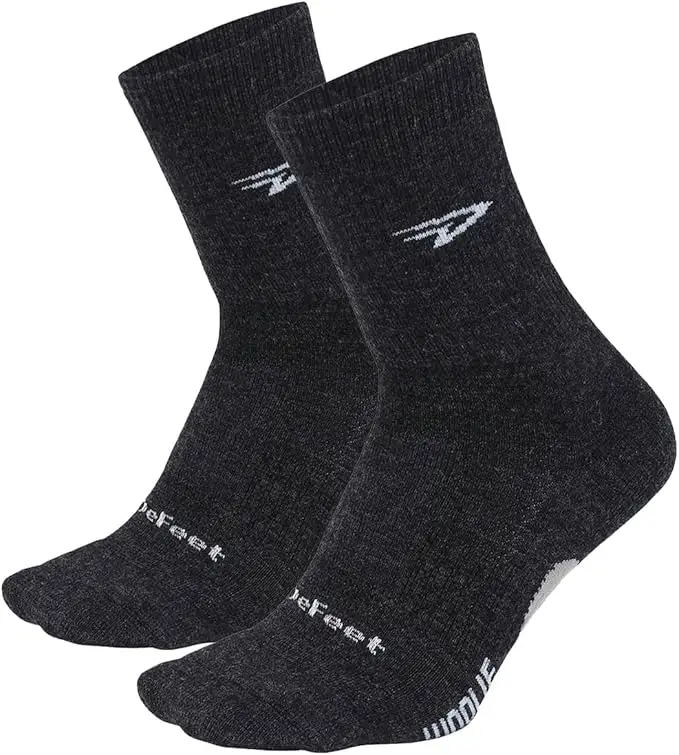
Trail riding demands tougher construction. DeFeet Woolie Boolie combines merino wool comfort with reinforced durability. The taller six-inch cuff protects shins from branches and debris, while the cushioned sole absorbs trail vibration. Additionally, merino naturally resists the odor that develops during sweaty technical climbs. These typically cost around 48 dollars.
Best Budget Cycling Socks
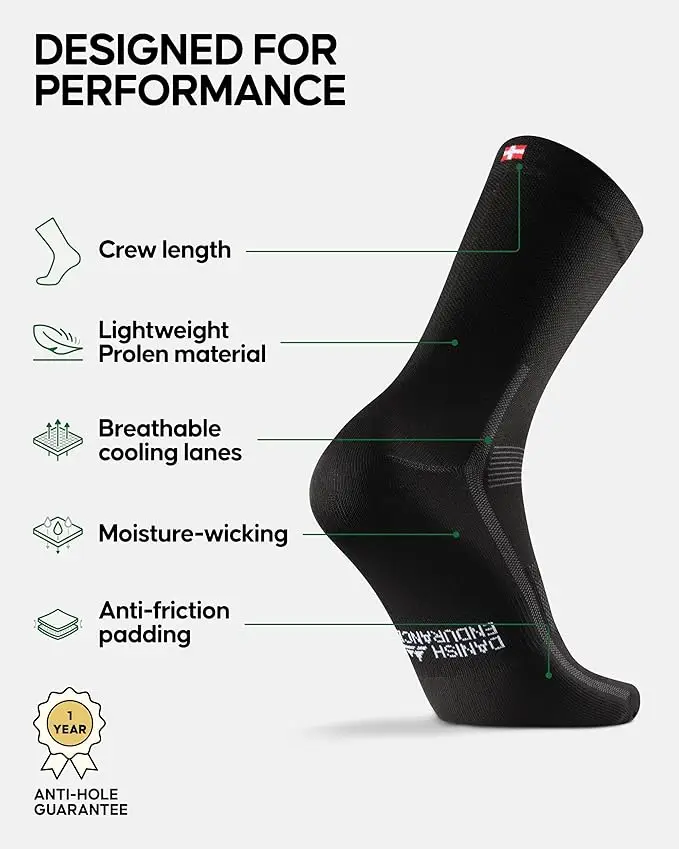
Quality cycling socks do not require premium prices. DANISH ENDURANCE Cycling Socks provide seamless construction and arch compression at an affordable costs around twelve dollars. While not matching expensive options in every detail, they deliver the essential features cyclists need for comfortable riding. Furthermore, the multipacks make building a rotation economical.
Best Cycling Socks for Hot Weather
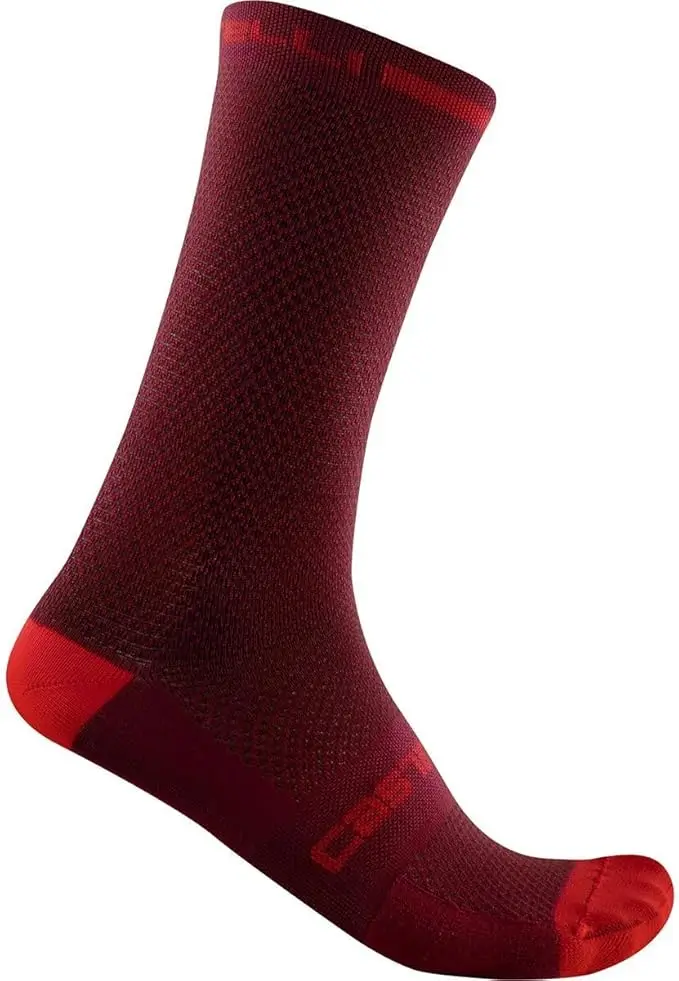
Summer riding requires maximum breathability. Castelli Superleggera uses ultra-thin mesh construction that keeps feet remarkably cool during hot rides. The lightweight material dries almost instantly when sweat develops. However, the delicate fabric requires careful handling and wears out faster than heavier socks. These premium socks typically cost around 13 dollars.
Best Merino Wool Cycling Socks
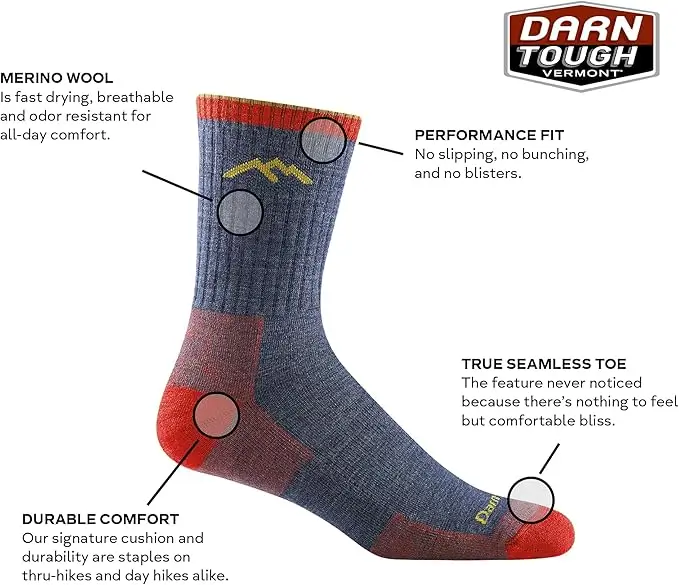
Merino wool excels in variable conditions. Darn Tough Micro Crew Cushion delivers natural temperature regulation with an unconditional lifetime warranty. The medium cushioning provides comfort without excessive bulk, and the Vermont construction quality ensures a long lifespan. Although expensive at thirty dollars per pair, the warranty and durability justify the investment.
Best Compression Cycling Socks

Riders seeking maximum compression benefit from CEP Cycling Socks. The graduated pressure improves circulation during long rides and speeds recovery afterward. Additionally, the targeted compression reduces muscle fatigue without restricting the bent knee position that cycling requires. These typically cost around 50 dollars and work especially well for endurance events.
Best Cycling Socks for Women
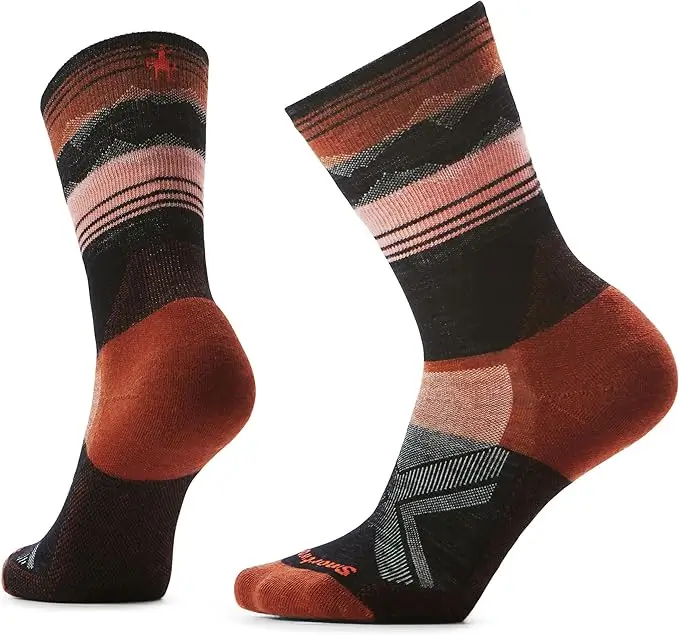
Women’s specific proportions improve fit significantly. Smartwool PhD Cycle socks account for narrower heels and different calf shapes. The merino blend manages moisture while providing natural comfort. Moreover, the variety of colors and patterns appeals to riders who value both performance and style. These typically cost around 25 dollars.
Best Tall Cycling Socks
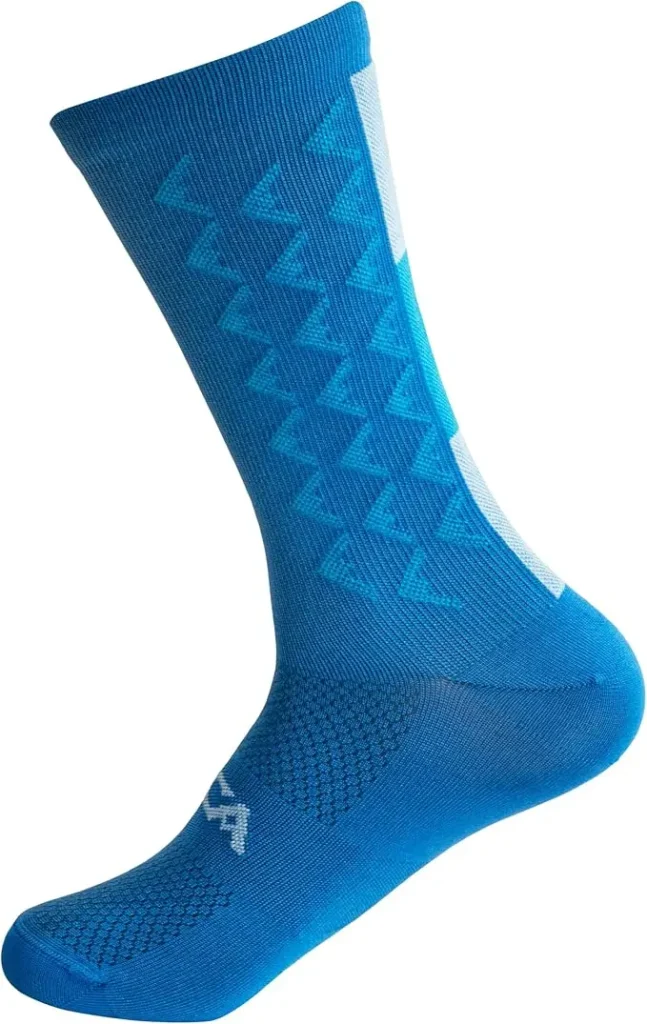
Riders prioritizing aerodynamics choose taller options. SILCA Socks extend eight inches for maximum leg coverage. The smooth fabric optimizes airflow while the compression maintains position during hard efforts. Additionally, the bold designs make a style statement. However, the premium construction costs around 32 dollars per pair.
Best Gravel Cycling Socks
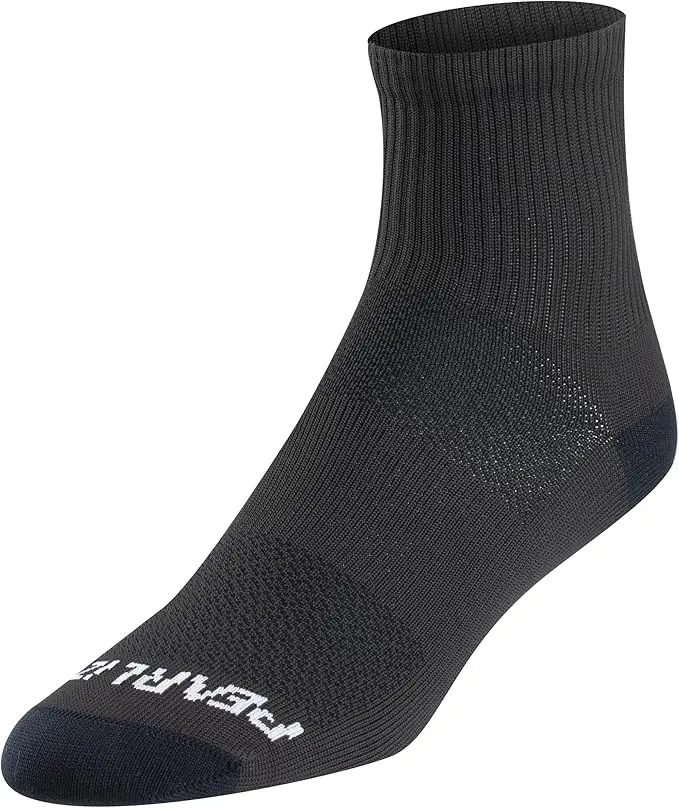
Mixed surface riding requires versatile socks. Pearl Izumi Elite Tall balances road comfort with trail durability. The six-inch height protects from debris while remaining breathable. Furthermore, the targeted mesh zones handle both intense climbs and long road sections effectively. These typically cost around 20 dollars.
Best Indoor Cycling Socks
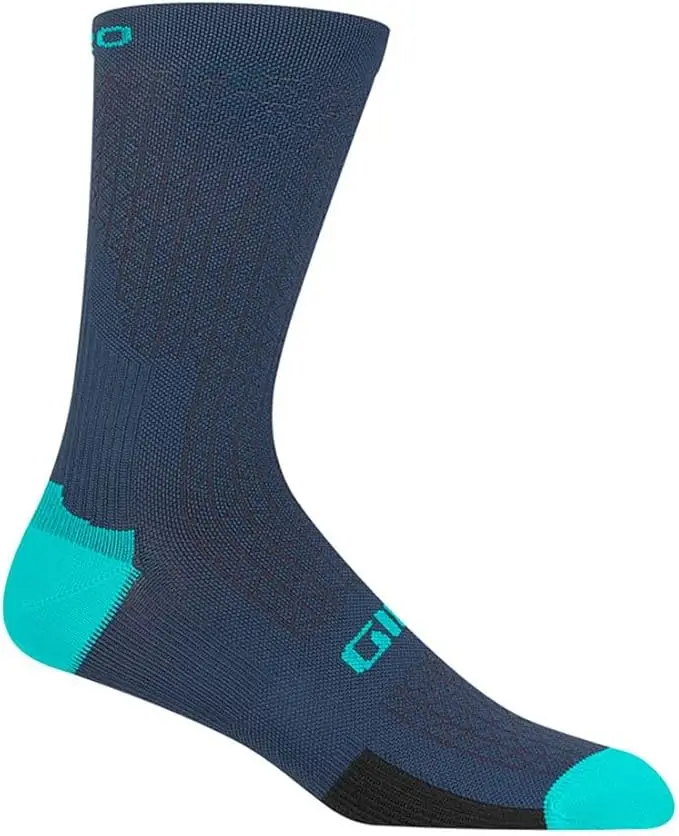
Trainer sessions generate extreme heat and sweat. Giro HRc Team socks prioritize ventilation above all else. The ultra-breathable construction prevents the foot bath feeling during indoor workouts. Additionally, the compression holds the lightweight sock securely in position. These cost around 18 dollars and make indoor training significantly more comfortable.
Best Winter Cycling Socks
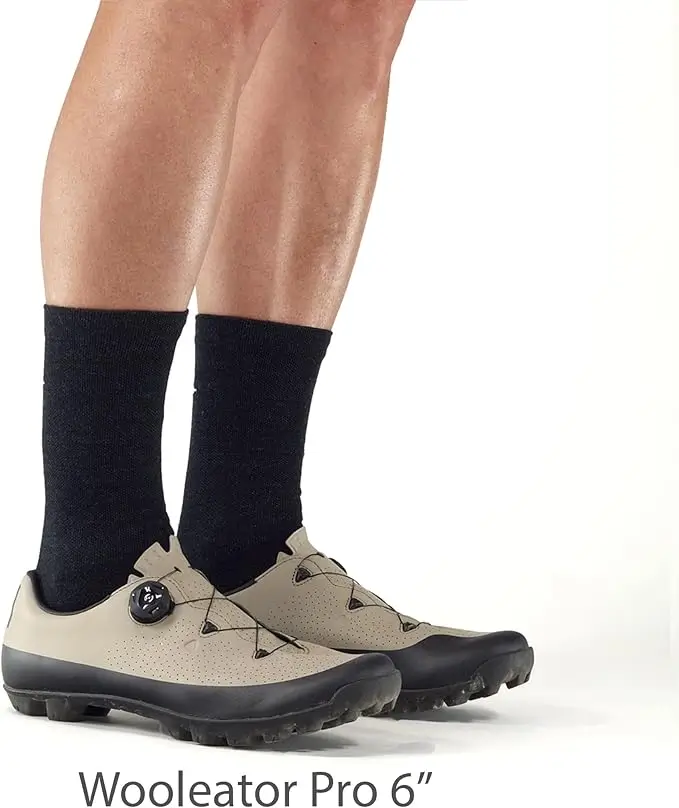
Cold weather demands serious insulation. DeFeet Woolie Boolie 6 provides thick merino warmth while maintaining moisture management. The cushioned construction adds extra insulation between the foot and the cold shoe sole. However, the thickness requires sizing shoes appropriately. These typically cost around 60 dollars.
Best Cycling Socks for Commuting
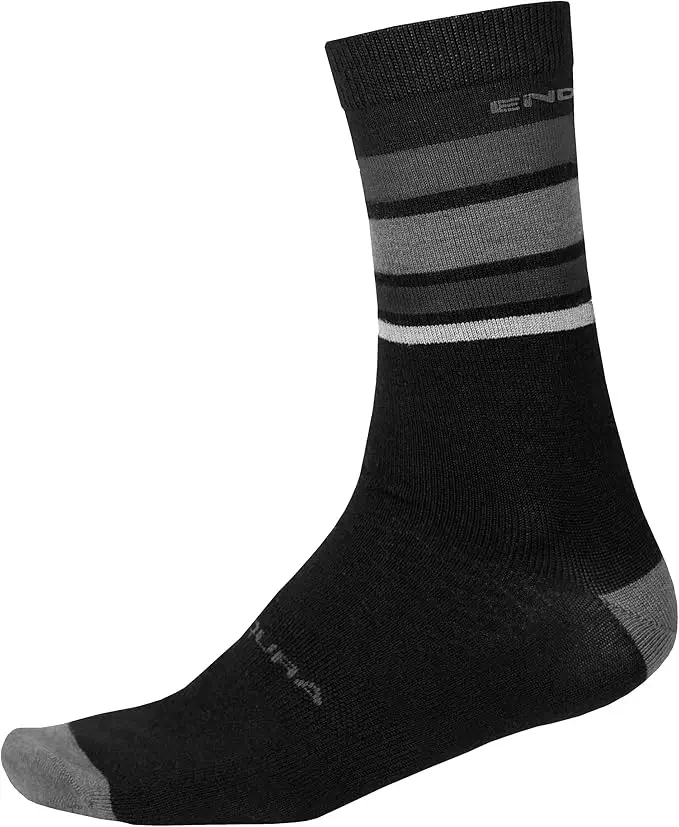
Commuters need socks that transition to office wear. Endura Merino Socks look appropriate in professional settings while providing cycling performance. The merino blend resists odor during the ride and feels comfortable throughout the workday. Although expensive at 17 dollars, the versatility justifies the cost for daily commuters.
Comparison Table
| Sock Brand | Best For | Material | Price Range |
|---|---|---|---|
| Road Cycling Options | |||
| Swiftwick Aspire Seven | Overall road performance | Synthetic olefin blend | 50 to 53 dollars |
| Castelli Superleggera | Hot weather racing | Ultra thin mesh | 10 to 15 dollars |
| SILCA | Aerodynamics | Synthetic compression | 30 to 33 dollars |
| Mountain Biking Options | |||
| DeFeet Woolie Boolie | Trail protection | Merino wool blend | 47 to 50 dollars |
| Pearl Izumi Elite Tall | Gravel and MTB | Synthetic blend | 18 to 22 dollars |
| Specialty Needs | |||
| DANISH ENDURANCE | Budget option | Synthetic blend | 30 to 35 dollars |
| Darn Tough Micro Crew | Merino premium | Merino wool | 24 to 28 dollars |
| CEP Cycling | Compression | Synthetic compression | 50 to 52 dollars |
| Smartwool PhD Cycle | Women specific | Merino blend | 22 to 26 dollars |
| Weather and Conditions | |||
| Giro HRc Team | Indoor training | Ventilated synthetic | 17 to 20 dollars |
| DeFeet Woolie Boolie 6 | Winter riding | Thick merino | 60 to 62 dollars |
| Endura Merino | Commuting | Merino blend | 17 to 20 dollars |
Real World Cycling Scenarios
Tom, Road Cyclist: Switched from five-inch to seven-inch socks and immediately noticed less leg fatigue during centuries. The aerodynamic improvement was subtle, but the compression support made a real difference during the final twenty miles.
Lisa, Mountain Biker: Taller socks eliminated the constant scratches from trail vegetation. The shin protection proved especially valuable during early-season rides when poison ivy threatens exposed skin.
Mike, Gravel Rider: Found six-inch socks perfect for mixed terrain adventures. Tall enough for trail protection but breathable enough for long paved climbs in summer heat.
Sarah, Bike Commuter: Merino cycling socks solved the office odor problem. She could ride hard to work and remain comfortable throughout the day without needing to change socks.
Commuters who also need professional footwear might appreciate our non-slip socks for women guide.
Advanced Tips for Maximum Cycling Comfort
Match sock thickness to shoe fit. Cycling shoes should fit with the socks you plan to wear. Switching between thick winter socks and thin summer socks in the same shoes often causes fit problems. Consider having separate shoes for different seasons if the sock thickness varies significantly.
Pull socks fully up before putting on shoes. Wrinkled or bunched socks create pressure points that become painful during long rides. Take the extra thirty seconds to smooth everything properly before tightening shoe closures.
Rotate through multiple pairs to extend lifespan. Allowing socks to fully dry between uses preserves elastic properties. Having at least three pairs in rotation prevents wearing the same socks on consecutive days.
Try sock liners if still experiencing blisters despite proper cycling socks. Ultra-thin liner socks create a secondary friction layer that sometimes solves persistent hot spot problems. However, this adds complexity and should not be necessary with properly fitted shoes and socks.
Common Mistakes Cyclists Make With Socks
Wearing cotton athletic socks for cycling creates multiple problems. Cotton absorbs and retains moisture rather than wicking it away, which promotes blisters. Additionally, cotton lacks the compression and arch support cycling specific designs provide. The small investment in proper cycling socks prevents disproportionate discomfort.
Choosing socks based solely on appearance sacrifices performance. Matching team colors looks nice, but matters far less than seamless construction and proper fit. Prioritize functional features first, then find attractive options within properly designed cycling socks.
Ignoring sock height for your riding style misses real benefits. Road cyclists gain measurable advantages from taller socks, while mountain bikers need the protection taller cuffs provide. Choose height based on your primary riding discipline rather than arbitrary preference.
Keeping worn-out socks on too long reduces the benefits proper cycling socks provide. When socks lose compression, develop holes, or start sliding inside shoes, replacement time has arrived. The performance degradation happens gradually, making it easy to overlook until problems develop.
Learn proper sock maintenance in our guide on how to wear grip socks, which includes care tips applicable to all performance socks.
Conclusion
After years of testing cycling socks across road, mountain, and gravel disciplines, my recommendations depend on your primary riding style. For road cyclists seeking overall performance, Swiftwick Aspire Seven delivers excellent compression and aerodynamics at reasonable prices. Mountain bikers benefit most from DeFeet Woolie Boolie durability and protection. Budget-conscious riders find solid quality in DANISH ENDURANCE options, while merino enthusiasts appreciate Darn Tough’s lifetime warranty backing.
Ultimately, the best cycling socks enhance your connection to the bike through improved comfort, moisture management, and appropriate compression. Choose based on your riding discipline, typical conditions, and whether you prioritize natural fibers or synthetic performance. Measure carefully for proper fit, and replace socks when they lose compression or develop wear. The relatively small investment in quality cycling socks pays off through better rides, fewer blisters, and enhanced enjoyment of time in the saddle. Your pedaling efficiency and comfort deserve the same attention you give to bike components and other gear.