

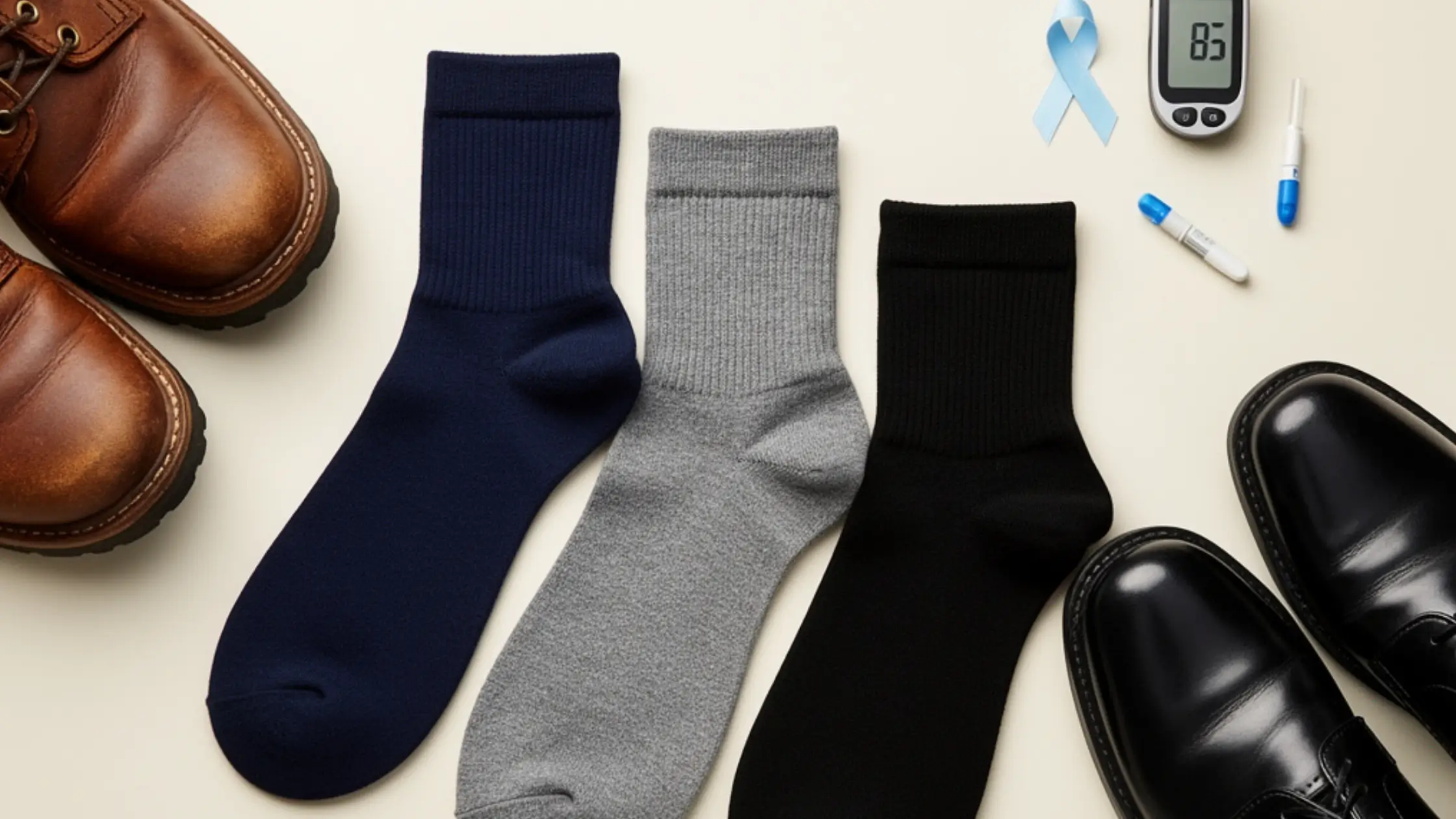
My uncle ignored his doctor’s warnings about diabetic foot care for years. He was a construction foreman who wore heavy work boots for ten hours a day and considered special socks an unnecessary fuss. After all, regular cotton socks had worked fine his entire life. Then a small blister from his boot rubbing turned into an infection that required three weeks of antibiotics and nearly cost him his job. His doctor explained that diabetes had reduced sensation in his feet to the point where he never felt the blister forming until an infection set in. That wake-up call finally convinced him to take diabetic foot protection seriously. Within months of switching to proper diabetic socks for men, his chronic foot problems disappeared, and he could work full shifts without pain or worry.
Men with diabetes face serious foot complications that proper sock selection can help prevent. Reduced sensation, poor circulation, and slower healing make even minor foot injuries potentially dangerous. However, many men ignore diabetic foot care recommendations until problems develop, often because they view special socks as unnecessary or too medical-looking. Over years of researching men’s health and diabetic complications, I have learned which sock features actually protect diabetic feet versus which are just marketing claims. Consequently, this guide explains everything men with diabetes need to know about choosing socks that prevent complications while fitting their lifestyle and footwear needs.
Medical Disclaimer: The information on GripSocksHub is for educational and informational purposes only and is not intended as medical advice. While we test performance apparel for comfort and support, you should always consult with a healthcare professional or podiatrist before using compression or diabetic socks to treat a specific medical condition.
Quick Answer
The best diabetic socks for men combine non-binding tops with seamless construction, moisture-wicking materials, and extra cushioning that protects feet without restricting circulation. Quality diabetic socks typically cost between $12 and $30 per pair. They differ from regular socks through flat toe seams that prevent pressure points, looser tops that accommodate swelling, antimicrobial materials that reduce infection risk, and padding in high-friction areas. Moreover, proper diabetic socks help maintain foot health, prevent blisters and ulcers, manage moisture that promotes fungal infections, and provide the protection men with reduced foot sensation desperately need.
Why Men With Diabetes Face Unique Foot Risks
Diabetic neuropathy damages nerves that provide sensory feedback from the feet. Men often develop neuropathy earlier and more severely than women due to larger body size and different fat distribution patterns. This nerve damage means men cannot feel small injuries forming from poorly fitted shoes, wrinkled socks, or foreign objects inside footwear. Consequently, minor problems escalate into serious infections before men even realize anything is wrong. Additionally, the work boots and dress shoes that many men wear daily create more pressure points than typical women’s footwear.
Poor circulation compounds the sensation problem significantly. Diabetes damages blood vessels throughout the body, with the feet affected particularly severely because blood must travel the farthest against gravity to reach them. Men have higher rates of peripheral artery disease, which further restricts blood flow to the lower legs and feet. This reduced circulation slows healing dramatically, turning injuries that healthy people recover from in days into wounds requiring weeks or months of treatment. Meanwhile, slower healing increases infection risk because bacteria have more time to establish themselves.
The immune system changes in diabetes make infections more dangerous and harder to treat. High blood sugar levels impair white blood cell function, reducing the body’s ability to fight bacterial and fungal infections. Men with diabetes develop foot infections at rates three times higher than non diabetic men. Furthermore, male work environments often expose feet to more bacteria and trauma through heavy equipment, chemical exposure, and physical labor demands. Therefore, preventive foot protection through proper socks becomes essential rather than optional for men managing diabetes.
Understanding Diabetic Sock Design Features
Non-Binding Tops for Circulation
Non-binding tops represent the most critical diabetic sock feature. Tight elastic bands restrict circulation that diabetes already compromises. Men often ignore early circulation problems until legs and feet swell noticeably at day’s end. However, by that point, restricted blood flow has already occurred for hours. Diabetic sock tops use looser knitting that stays in place through fit rather than tight constriction. Consequently, blood flows freely while socks remain functional. Additionally, the stretch accommodates the swelling that many diabetic men experience without creating painful pressure rings.
Seamless Construction Prevents Ulcers
Seamless toe construction eliminates the friction source that causes most diabetic foot ulcers. Traditional sock seams across the toe create pressure points exactly where shoes compress feet most. Men with neuropathy cannot feel this pressure building until blisters form. However, blisters on diabetic feet often become infected ulcers requiring serious medical intervention. Seamless knitting removes this danger completely. The technology costs more but prevents complications that cost far more in treatment and lost work time.
Moisture Control and Protection
Moisture management matters more for diabetic feet than healthy ones. Excess moisture creates ideal conditions for fungal infections that diabetic immune systems struggle to fight. Men naturally produce more foot sweat than women due to a larger surface area and higher metabolic rates. Work boots and dress shoes trap this moisture against the skin for hours. Therefore, diabetic socks must actively wick moisture away from feet and allow it to evaporate. Synthetic blends typically outperform cotton for this purpose, though some premium merino wool options work well, too. For more on moisture control, see ourbest moisture-wicking socks guide.
Extra cushioning protects feet that lack normal sensation feedback. Men with neuropathy cannot feel when they have stepped on small objects or when shoe pressure points develop. Additional padding in the heel and ball of the foot areas provides mechanical protection that compensates for lost nerve function. However, excessive thickness sometimes creates fitting problems inside shoes. Consequently, diabetic socks balance protection with practical wearability in typical men’s footwear.
Comprehensive Questions Men Ask About Diabetic Socks
Understanding Diabetes and Foot Health
Why do men with diabetes need special socks?
Diabetes damages nerves and blood vessels in the feet, creating loss of sensation and poor circulation. Regular socks have seams, tight elastic, and inadequate cushioning that can cause injuries that diabetic men cannot feel. Special diabetic socks eliminate these risk factors through seamless construction, non-binding tops, and protective padding.
What happens if diabetic men wear regular socks?
Regular socks increase the risk of blisters, pressure ulcers, and circulation problems. The tight elastic cuts off already compromised blood flow. Toe seams create friction points that become infected wounds. Many diabetic foot complications that lead to amputation start with seemingly minor sock-related injuries.
Can diabetic socks prevent amputation?
While socks alone cannot prevent all complications, they significantly reduce foot injury that leads to infections and ulcers. Proper foot care, including appropriate socks, daily inspection, and proper footwear,r helps men with diabetes avoid the progression from minor injury to serious complication requiring amputation.
Do all diabetic men need diabetic socks?
Any man with diagnosed diabetes benefits from diabetic socks, especially those with neuropathy, circulation problems, previous foot ulcers, or difficulty controlling blood sugar. Men who work on their feet, wear restrictive footwear, or have reduced mobility particularly need the protection diabetic socks provide.
Sock Features and Selection
What’s the difference between diabetic socks and compression socks?
Diabetic socks have loose, non-binding tops, while compression socks apply graduated pressure. Some diabetic men need compression for circulation, but it requires a doctor’s approval because excessive pressure can worsen diabetic circulation problems. Never assume compression helps without medical guidance. For more on compression benefits and risks, see our best compression socks guide.
Should diabetic socks be loose or tight?
Diabetic sock tops should be loose and non-binding to avoid restricting circulation. However, the foot and ankle areas should fit snugly enough to prevent bunching without being constricting. Wrinkled or bunched fabric creates the same friction problems as seams.
What material is best for diabetic socks?
Moisture-wicking synthetic blends work well for active men and those whose feet sweat heavily. Merino wool provides natural moisture management with temperature regulation for varying conditions. Cotton should be avoided because it absorbs and holds moisture against the skin, promoting fungal growth.
Do diabetic socks work with work boots?
Yes, many diabetic socks are designed specifically for work boot compatibility. Look for reinforced heels and toes, adequate cushioning, and crew length that protects without bunching inside boots. Some brands make specific work sock lines for diabetic men.
Daily Use and Care
How many pairs of diabetic socks do men need?
Minimum seven pairsallowsw daily sock changes with weekly laundry. However, men who work physically demanding jobs or have foot sweating issues benefit from changing socks mmidday requiring fourteen pairs for comfortable rotation.
Can you wear diabetic socks at night?
Generally y, es, and some men benefit from overnight wear for warmth and protection. However, avoid socks that feel tight or restrictive during sleep. Some diabetic men develop swelling at night that requires looser sleep-specific socks.
How long do diabetic socks last?
Quality diabetic socks typically last three to six months with daily wear and proper care. Replace them when the elastic loosens, the cushioning compresses, or any holes develop. Worn socks lose their protective benefits even if they still look acceptable.
How should you wash diabetic socks?
Machine wash on gentle cycle in warm water. Avoid bleach, which breaks down fibers and reduces moisture wicking. Air dry or use low heat to preserve elastic properties. Turn socks inside out to protectthe outer surface and any antimicrobial treatments.
Medical and Health Concerns
Do insurance plans cover diabetic socks?
Some insurance and Medicare plans cover diabetic socks when prescribed by a doctor for patients with diabetic neuropathy or a history of foot problems. Check with your specific plan about coverage requirements and approved suppliers.
Can diabetic socks help neuropathy pain?
While socks cannot reverse neuropathy, the extra cushioning and seamless construction reduce irritation that aggravates nerve pain. Some men report reduced discomfort when switching to proper diabetic socks, though individual responses vary.
What if diabetic socks feel too loose?
Diabetic socks should not feel sloppy despite non-binding tops. If socks slide down or bunch inside shoes, try a smaller size or a different brand with better sizing. Proper fit remains important even with looser construction.
Should diabetic men avoid ankle socks?
Ankle length works fine if it provides adequate coverage for your footwear. However, crew length offers more protection from shoe rubbing and holds position better inside boots. Men wearing work boots or dress shoes typically benefit from crew-length diabetic socks. For more length options, see our best crew socks collection.
Specific Situations
What about diabetic socks for athletes?
Active diabetic men need moisture-wicking diabetic athletic socks with extra cushioning and arch support. Several brands make diabetic performance socks that combine protective features with athletic functionality.
Do diabetic men need special dress socks?
Yes, dress sock versions maintain a professional appearance while providing diabetic protection. Look for thin diabetic dress socks with seamless toes and non-binding tops that work with dress shoes and suits.
Can you wear diabetic socks with sandals?
Technically, yes, though the combination looks unusual. Consider diabetic no-show socks or very low cut styles if you want foot protection with open footwear during warm weather.
Products as Solutions for Different Men’s Needs
Affiliate Disclosure: This post contains affiliate links. If you make a purchase through these links, we may earn a commission at no extra cost to you.
Best Overall Diabetic Socks for Men
The Dr. Scholl’s Diabetes and Circulatory Crew Socks deliver comprehensive diabetic protection at reasonable prices. The non-binding tops accommodate swelling without slipping, while seamless toes prevent irritation. Moreover, the moisture control system keeps feet dry during long work days, and the reinforced construction survives repeated washing. At around 15 dollars for multipacks, they provide excellent value for daily diabetic foot care.
Best Diabetic Work Socks for Men
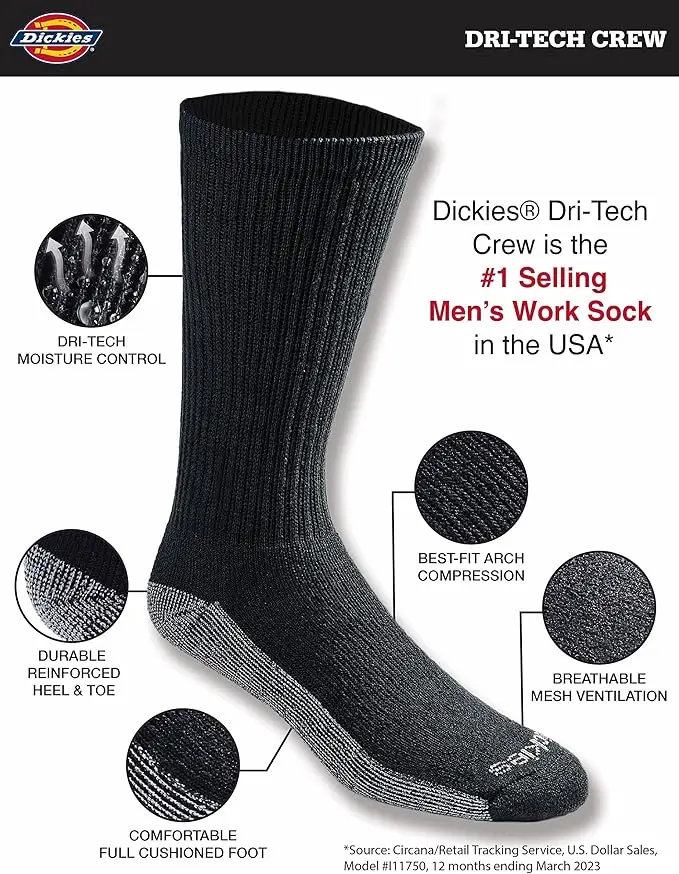
Men in construction and trades need serious durability. Dickies Dri-Tech Crew Socks combine diabetic friendly features with work boot toughness. The reinforced heel and toe withstand daily boot wear, while moisture-wicking keeps feet dry in demanding conditions. Additionally, the extra cushioning protects during long shifts on concrete. These typically cost around 18 dollars for multipacks.
Best Diabetic Dress Socks for Men
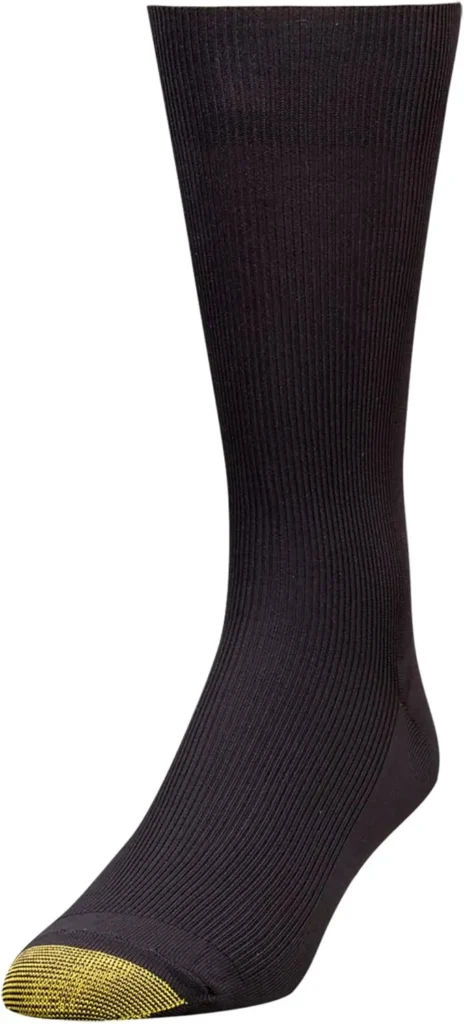
Professional settings require an appropriate appearance. Gold Toe Metropolitan Dress Socks maintain business polish while providing diabetic protection. The thin profile works with dress shoes, and the non-binding tops stay comfortable through business meetings. Furthermore, the reinforced toe prevents the holes that cheaper dress socks develop quickly. These cost around 15 dollars for three packs.
Best Budget Diabetic Socks
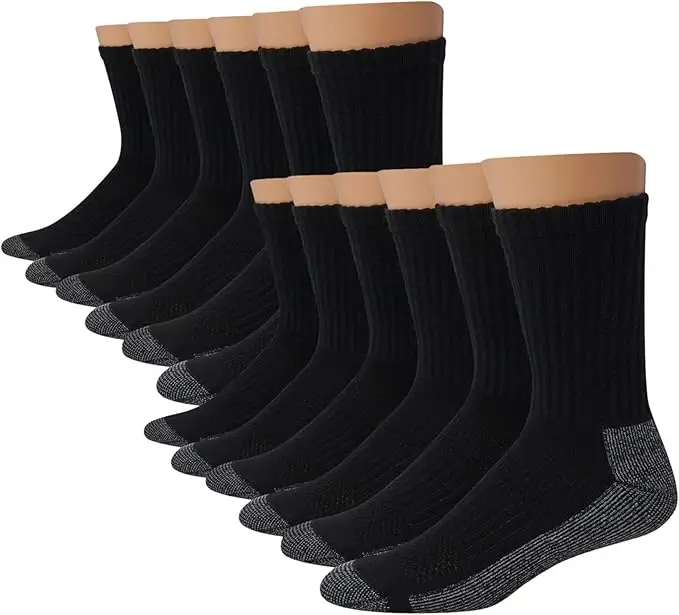
Quality diabetic protection does not require premium prices. Hanes ComfortBlend Max Cushion Crew Socks provide adequate moisture-wicking and cushioning at budget-friendly costs. While not medical grade, they offer significant improvement over regular cotton socks. Additionally, the value packs make building a sock rotation affordable. These typically cost around 18 dollars for six pairs.
Best Diabetic Compression Socks for Men

Some diabetic men need compression for edema or circulation support. Physix Gear Compression Socks provide graduated 20-30 mmHg pressure with diabetic friendly construction. However, always consult your doctor before using compression with diabetes. The moisture-wicking fabric handles all-day wear comfortably. These cost around 18 dollars per pair. For more compression options, check our support socks for varicose veins guide.
Best Merino Wool Diabetic Socks
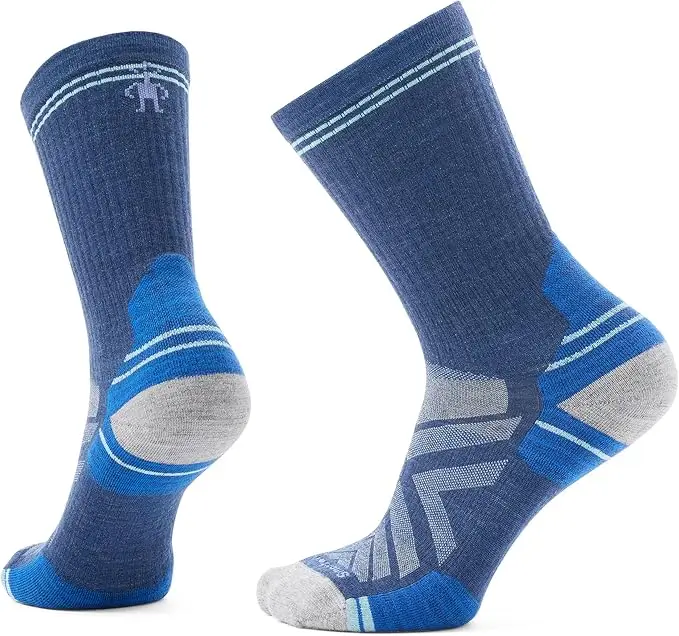
Natural fiber preference leads many men to merino wool. Smartwool Hike Medium Crew socks provide excellent moisture management with temperature regulation. The seamless construction and cushioning suit diabetic needs, though marketed for hiking. Additionally, merino naturally resists odor during extended wear. These premium socks cost around 24 dollars per pair.
Best Diabetic Athletic Socks
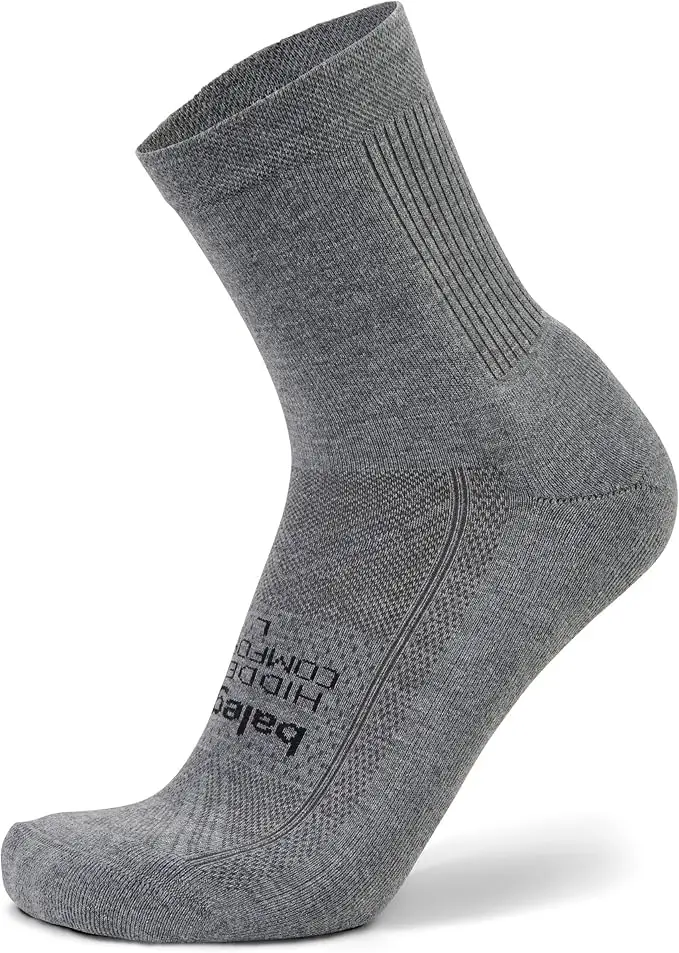
Active diabetic men need performance features. Balega Hidden Comfort Socks combine athletic moisture-wicking with diabetic friendly seamless construction. The deep heel pocket prevents slipping during exercise, and the extra padding protects during impact activities. Furthermore, the tab prevents shoe rubbing on the Achilles. These typically cost around 14 dollars per pair.
Best Extra Wide Diabetic Socks
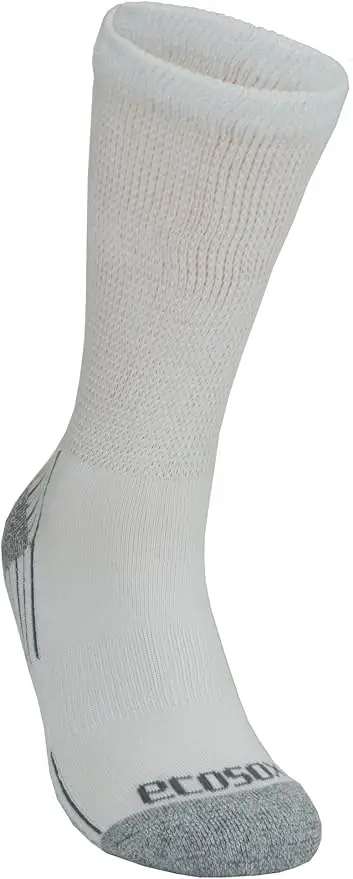
Men with larger feet or edema need generous sizing. Ecosox Diabetic Bamboo Socks accommodate wider calves and feet without sacrificing diabetic protection. The bamboo blend provides natural antimicrobial properties with moisture control. Additionally, the non-binding tops work especially well for swelling. These cost around 40 dollars for three packs.
Best Diabetic Socks for Neuropathy
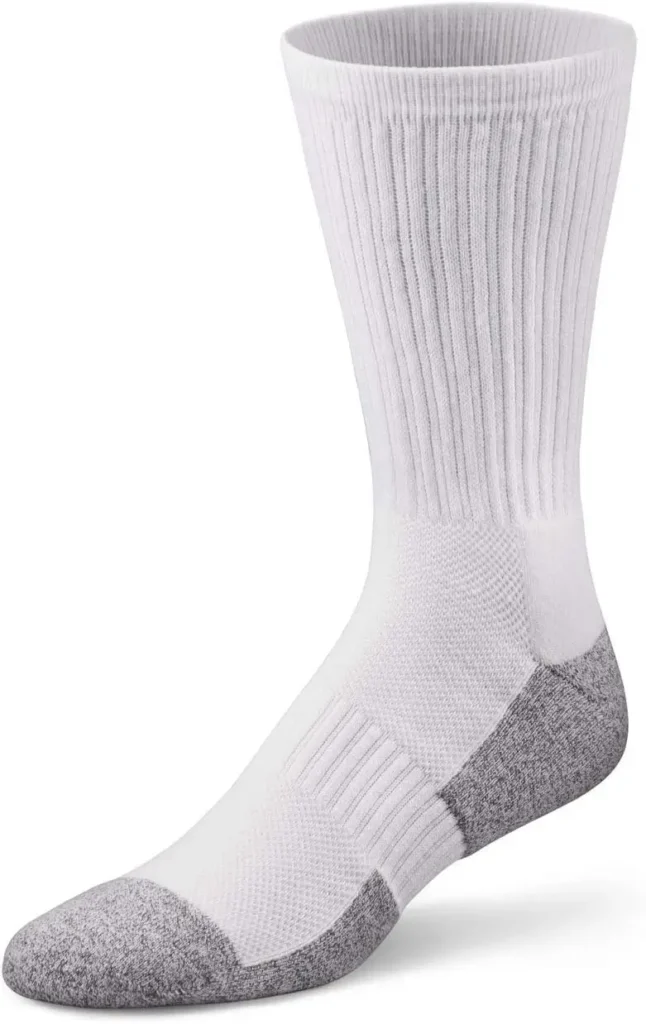
Severe neuropathy requires maximum protection. Dr. Comfort Diabetic Crew Socks provide medical-grade cushioning with seamless construction throughout. The extra padding protects feet that cannot feel developing pressure points. Moreover, the antimicrobial treatment reduces infection risk. These medical socks typically cost around 12 dollars for three pairs.
Best Diabetic Winter Socks
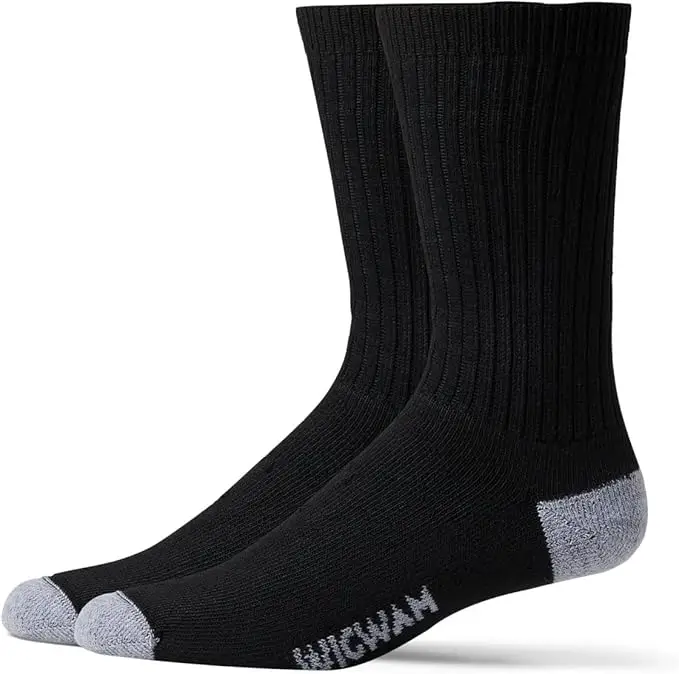
Cold weather demands extra warmth without compression. Wigwam Diabetic Thermal Socks provide insulation while maintaining non-binding tops and seamless construction. The thickness accommodates boots without becoming restrictive. Additionally, the moisture control prevents the dampness that makes feet colder. These typically cost around 32 dollars per pair.
Best Diabetic Ankle Socks
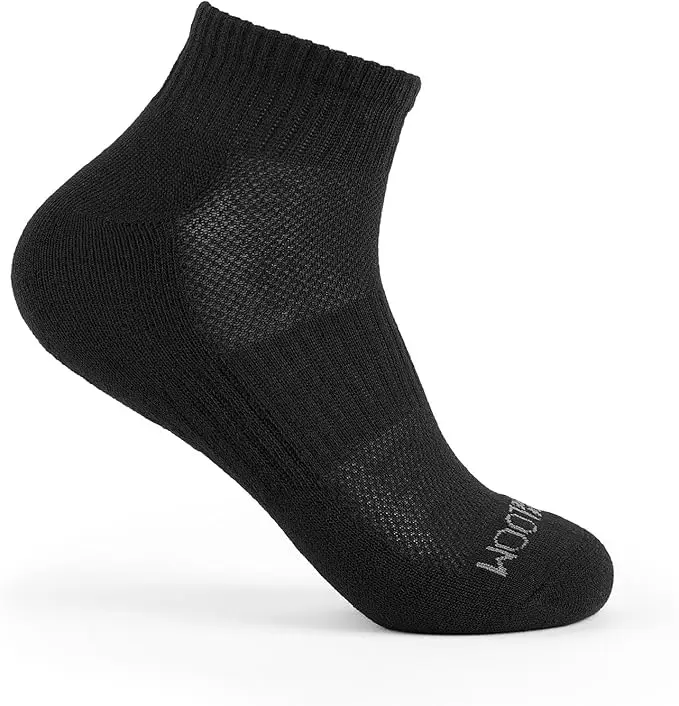
Warm weather or personal preference favors shorter styles. Fruit of the Loom Breathable Ankle Socks maintain diabetic features in ankle length. The mesh ventilation keeps feet cooler, and the seamless toe prevents irritation. However, remember that ankle socks provide less protection from shoe rubbing. These budget options cost around 13 dollars for six pairs.
Best Diabetic Socks Value Pack
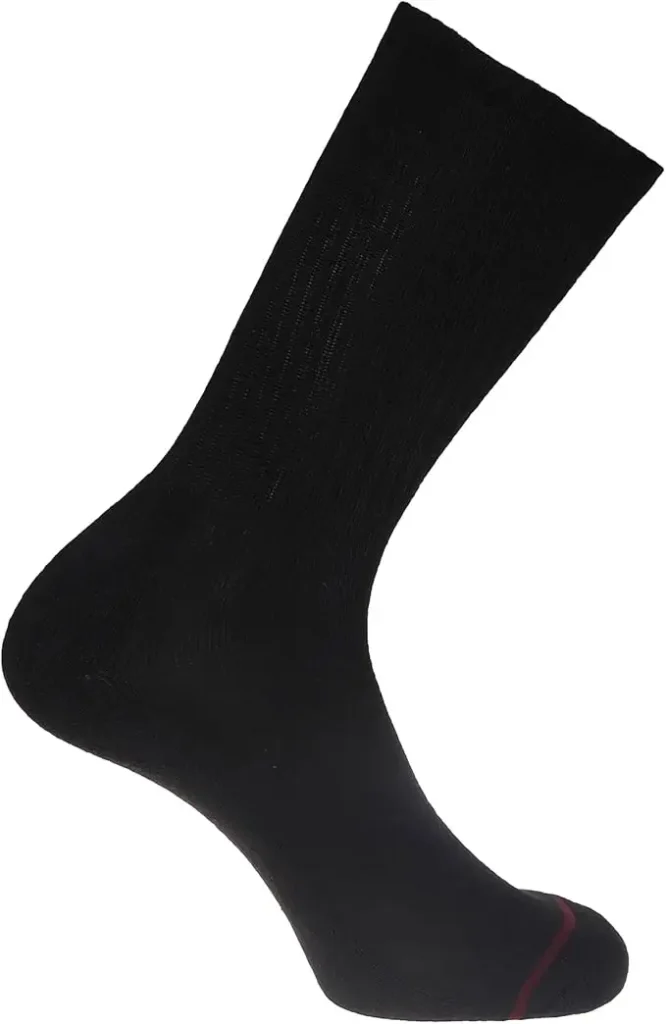
Building a sock rotation requires affordable options. Dockers Cushioned Crew Socks come in large multipacks that lower per pair cost. While not medical-grade diabetic socks, they provide significant improvements over regular cotton, including cushioning and moisture control. These work well for men on a tight budget, such as building basic diabetic foot care habits. Typical costs around 16 dollars for ten pairs.
Comparison Table
| Sock Brand | Best For | Key Feature | Price Range |
|---|---|---|---|
| Dr. Scholl’s Diabetes | Overall daily wear | Non binding seamless | 13 to 17 dollars |
| Hanes ComfortBlend | Budget option | Basic protection | 15 to 20 dollars |
| Ecosox Bamboo | Extra wide feet | Generous sizing | 40 to 42 dollars |
| Work and Professional | |||
| Dickies Dri Tech | Heavy work boots | Reinforced durability | 16 to 20 dollars |
| Gold Toe Metropolitan | Business dress | Professional appearance | 14 to 18 dollars |
| Dockers Cushioned | Value multipacks | Affordable rotation | 15 to 18 dollars |
| Specialized Needs | |||
| Physix Gear Compression | Swelling and edema | Medical compression | 18 to 22 dollars |
| Dr. Comfort | Severe neuropathy | Maximum cushioning | 10 to 13 dollars |
| Smartwool Hike | Natural fibers | Merino wool | 22 to 26 dollars |
| Activity Specific | |||
| Balega Hidden Comfort | Athletic activity | Performance features | 12 to 16 dollars |
| Wigwam Thermal | Winter weather | Warm insulation | 32 to 36 dollars |
| Fruit of the Loom Ankle | Warm weather | Breathable ankle cut | 10 to 14 dollars |
Real World Scenarios for Diabetic Men
James, Construction Worker: Switched to diabetic work socks after developing persistent blisters from steel-toe boots. The seamless construction and extra cushioning eliminated the friction points, allowing him to work full shifts comfortably. His feet staydrieryer too, reducing the athlete’s foot problems he dealt with for years.
Robert, Office Manager: Needed diabetic dress socks that looked professional for client meetings. Found options that maintained business appearance while providing the protection his neuropathy required. The non-binding tops prevented the ankle indentation marks that his old dress socks left.
Mike, Weekend Golfer: Discovered his foot numbness was creating blisters he could not feel during eighteen-hole rounds. Diabetic athletic socks with seamless construction and moisture-wicking solved the problem, allowing him to enjoy golf without foot complications afterward.
David, Retired Veteran: Dealt with severe circulation problems and neuropathy. Medical-grade diabetic socks with extra cushioning protected his feet from injuries he could not feel. Daily sock inspection became part of his foot care routine, catching small issues before they became serious.
Advanced Tips for Diabetic Foot Protection
Inspect feet daily, even when wearing proper socks. Diabetic neuropathy means you cannot feel developing problems. Check for redness, blisters, cuts, or swelling every evening when removing socks. Early detection prevents minor issues from becoming serious complications.
Change socks immediately if they become damp from sweat or weather. Moisture promotes fungal growth and softens skin, increasing injury risk. Men working physically demanding jobs benefit frommid-dayy sock changes, requiring double the sock rotation.
Trim toenails carefully and straight across to prevent ingrown nails. Diabetic men should never perform aggressive nail or callus trimming themselves. See a podiatrist for professional foot care that avoids accidental cuts. Diabetic feet heal poorly.
Never walk barefoot, even at home. Diabetic neuropathy means you will not feel when you step on small objects. Always wear protective footwear or diabetic socks indoors. Additionally, check inside shoes for foreign objects before putting them on daily.
Coordinate sock thickness with shoe fit. Diabetic socks should fit comfortably inside shoes without creating pressure. Thick diabetic socks in tight shoes defeat their protective purpose. Consider having separate shoes for different sock thicknesses.
Common Mistakes Men Make With Diabetic Foot Care
Ignoring doctor recommendations about diabetic socks until problems develop wastes the prevention opportunity. Many men view special socks as unnecessary until after experiencing foot complications. However, diabetic foot protection works best before nerve damage and circulation problems become severe.
Buying diabetic socks based solely on price sacrifices critical features. The cheapest options often lack true seamless construction or adequate cushioning. Invest in proper diabetic socks rather than risking foot complications that cost far more in treatment and lost work time.
Wearing socks for multiple days without washing increases infection risk significantly. Bacteria and fungi thrive in the warm, moist environment that socks create. Men with diabetes face higher infection risks and must maintain stricter hygiene practices, including daily sock changes.
Assuming all crew socks provide diabetic protection overlooks critical design differences. Regular crew socks have seams, binding tops, and inadequate moisture control. Only socks specifically designed for diabetic needs provide the protection necessary.
Conclusion
After evaluating diabetic sock options against men’s specific needs, my recommendations depend on your primary footwear and lifestyle. For everyday wear and work boots, Dr. Scholl’s Diabetes and Circulatory Crew Socks provide excellent protection at reasonable prices. Men needing dress socks appreciate Gold Toe Metropolitan options that look professional while protecting feet. Budget-conscious men find adequate protection inHanes ComfortBlend multipacks. Those with severe neuropathy benefit fromDr. Comfortmedical-gradee cushioning.
Ultimately, the best diabetic socks for men protect feet through seamless construction, non-binding tops, moisture management, and adequate cushioning while fitting your daily footwear and activities. Choose based on your work environment, shoe types, and specific diabetic complications. Inspect feet daily regardless of sock quality, and replace socks when they show any wear. The investment in proper diabetic socks provides essential protection that helps you maintain foot health, avoid serious complications, and continue working and living actively despite diabetes challenges. Your feet deserve the same attention you give to managing blood sugar and other aspects of diabetic care.