

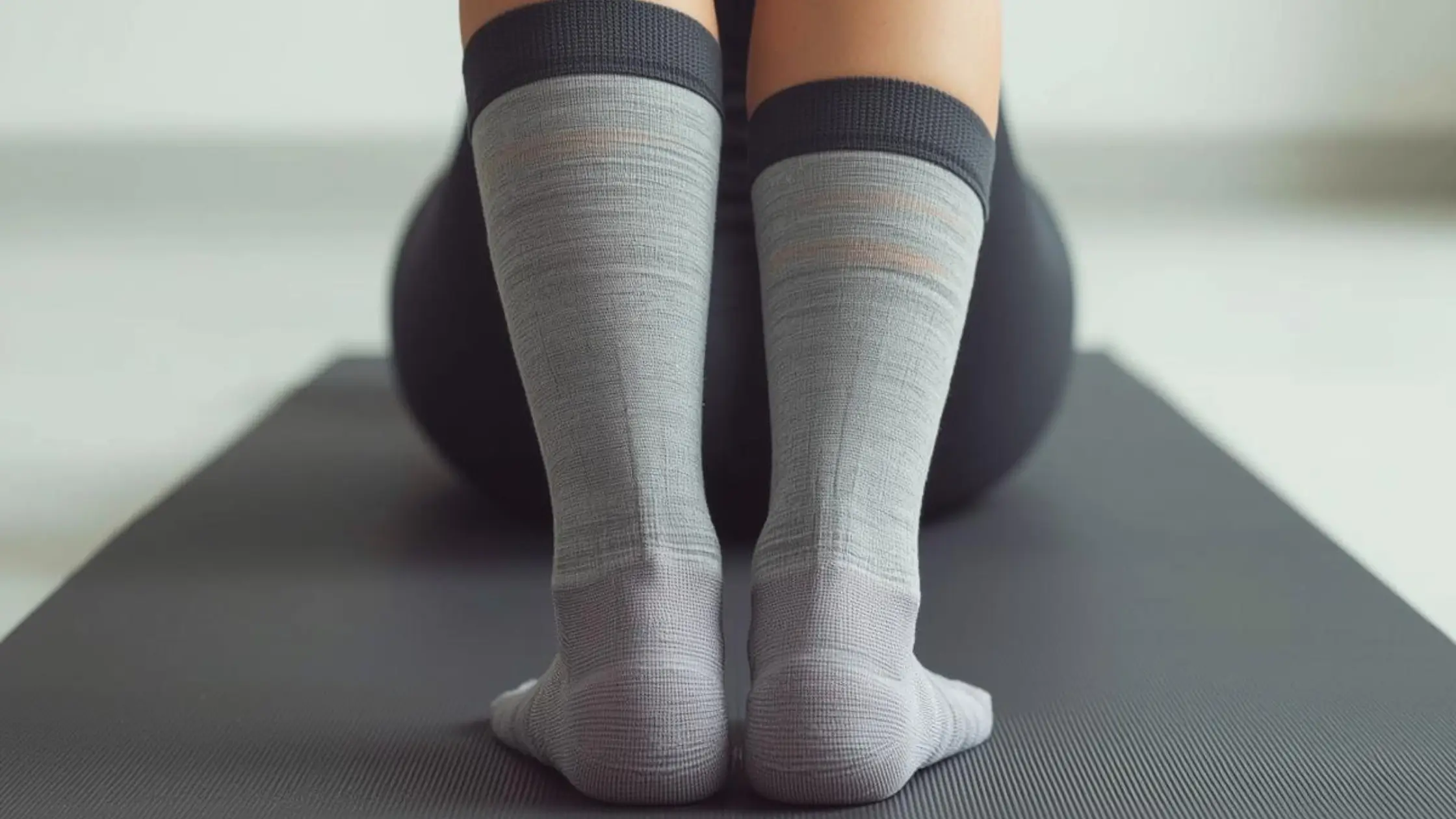
My friend Sarah collapsed into a chair after her nursing shift, peeling off her shoes to reveal ankles swollen to twice their normal size. She had tried everything during her pregnancy—elevating her feet, drinking more water, reducing salt—but nothing worked. Her mother suggested compression socks for women, and Sarah rolled her eyes at what sounded like old lady advice. Three days later, she called me almost crying with relief. The swelling had decreased so dramatically that she could finally wear her regular shoes again. That moment taught both of us something critical about women’s bodies and compression. Our circulation challenges differ fundamentally from men’s, and generic solutions rarely address what we actually need.
Women face unique circulatory issues that stem from anatomy, hormones, pregnancy, and life patterns that differ significantly from men. Compression socks for women address these specific challenges through targeted pressure that improves blood flow, reduces swelling, and prevents venous problems before they become serious. Over years of researching women’s health and testing countless compression options, I have learned which features actually matter for female bodies versus which are just marketing. Consequently, this guide explains everything women need to know about compression socks, from understanding how they work to choosing the right pair for your specific situation.
Quick Answer
The best compression socks for women combine graduated pressure between 15-30 mmHg with anatomical designs that fit female calf shapes, accommodate hormonal fluid shifts, and address pregnancy related circulation changes. Quality women’s compression typically costs between 15 and 40 dollars per pair. They differ from men’s compression through narrower heel cups, proportional calf widths, and often stylish designs that work with women’s wardrobes. Moreover, proper compression reduces leg swelling, prevents varicose veins, manages pregnancy related edema, and improves circulation during hormonal fluctuations.
Why Women Need Different Compression Than Men
Female anatomy creates circulation challenges that men rarely experience. Women naturally have wider pelvic structures, which changes the angle blood must travel from legs back to the heart. This anatomical difference makes pooling and swelling more likely, especially during prolonged standing. Additionally, female leg proportions typically include narrower ankles relative to calf size, which means standard unisex compression often fits poorly in critical areas.
Hormonal fluctuations throughout the menstrual cycle cause significant fluid retention changes that men never encounter. Estrogen and progesterone levels affect how much fluid the body retains, with many women experiencing noticeable leg swelling during the week before menstruation. Meanwhile, pregnancy dramatically increases blood volume by up to fifty percent while simultaneously compressing major veins, creating perfect conditions for leg swelling and varicose vein development. Therefore, compression designed for women must accommodate these cyclical and life stage variations.
The venous valve system in women’s legs faces additional stress from these hormonal and anatomical factors. When valves weaken, blood flows backward and pools in lower legs, creating the twisted enlarged veins known as varicose veins. Statistics show women develop varicose veins at rates two to three times higher than men. Consequently, preventive compression becomes even more important for women who want to maintain vascular health long term.
How Compression Actually Works for Women’s Bodies
Graduated compression applies strongest pressure at the ankle and gradually decreases moving up the leg. This pressure gradient counteracts gravity and pushes blood upward toward the heart. For women dealing with hormonal fluid shifts, this mechanism prevents the ankle and calf swelling that makes shoes tight and legs ache. Additionally, the consistent pressure supports weakened vein walls and valves, reducing the backward blood flow that creates varicose veins.
The compression also affects lymphatic fluid movement, which becomes sluggish when women stand or sit for extended periods. Lymphatic fluid carries waste products away from tissues, and when it pools, inflammation and discomfort increase. However, external compression from properly fitted socks stimulates lymphatic drainage, reducing the heavy leg feeling many women experience by day’s end. Meanwhile, improved circulation delivers more oxygen to leg muscles, decreasing fatigue during long work days.
For pregnant women, compression provides critical support as growing uterus pressure restricts pelvic vein flow. The external pressure from compression socks helps compensate for this restriction, maintaining better overall circulation despite anatomical changes. Furthermore, compression prevents the dangerous blood clots that pregnancy makes more likely through hormonal changes that increase clotting factors.
Women Specific Conditions That Benefit From Compression
Pregnancy and Postpartum
Pregnancy creates the perfect storm for leg problems. Blood volume increases dramatically while progesterone relaxes vein walls and the growing uterus compresses pelvic veins. Consequently, nearly forty percent of pregnant women develop some degree of varicose veins, and leg swelling affects almost all pregnancies to varying degrees. Compression socks for women during pregnancy reduce swelling, prevent varicose vein formation, and decrease the risk of dangerous blood clots. Postpartum, compression continues helping as hormone levels normalize and blood volume returns to baseline.
Hormonal Fluctuations
The menstrual cycle causes predictable fluid retention patterns that compression can manage effectively. Many women notice tight rings and shoes during the premenstrual week when estrogen peaks and causes fluid retention. Similarly, menopause brings circulatory changes as estrogen levels drop permanently, often worsening existing vein problems. Therefore, compression provides consistent support through these hormonal transitions.
Standing Professions
Women dominate professions requiring prolonged standing, including nursing, teaching, retail, and healthcare. Standing immobile for hours fights against natural circulation, causing blood to pool in lower legs. Over time, this repeated stress damages vein valves and creates varicose veins. However, wearing compression during standing shifts prevents this cumulative damage while reducing daily swelling and discomfort.
Travel Concerns
Long flights and car rides pose special risks for women because sitting immobile combines with dehydration and cabin pressure changes. Women already face higher blood clot risks due to birth control pills or hormone replacement therapy. Consequently, travel compression becomes essential for preventing deep vein thrombosis during trips longer than four hours.
Comprehensive Questions Women Ask About Compression
Understanding Compression Levels and Safety
What compression level do women need?
Most women benefit from 15-20 mmHg for daily wear, prevention, and mild swelling. Moderate issues like pronounced varicose veins or significant pregnancy swelling respond better to 20-30 mmHg. Medical conditions may require 30-40 mmHg, but this strength needs doctor prescription. Starting with moderate compression and adjusting based on comfort and effectiveness works for most situations.
Can you wear compression socks during pregnancy?
Yes, compression is safe and beneficial throughout pregnancy. Many doctors actively recommend compression to prevent varicose veins and reduce swelling. However, avoid thigh high styles that might restrict circulation at the groin during later pregnancy. Knee high compression provides adequate benefits without this concern.
Do you need a prescription for compression socks?
Most compression strengths up to 30 mmHg are available over the counter. However, compression above 30 mmHg typically requires medical prescription. Additionally, some insurance plans cover prescription compression for specific conditions.
Can compression socks be too tight?
Yes, overly tight compression causes numbness, pain, or skin discoloration. If you experience these symptoms, the compression level is too high or the size is too small. Never force compression socks that feel painfully tight.
Getting the Right Fit
How do you know compression socks fit correctly?
Proper fit feels snug without pain or numbness. The sock should stay in place without rolling down, and you should not see skin bulging above the top band. Additionally, removing the socks should not leave deep indentations lasting more than a few minutes. Measure calves and ankles carefully according to brand sizing charts because compression fit matters more than regular sock sizing.
What compression length works best for women?
Knee high compression provides adequate benefits for most women and stays comfortable under pants or with dresses. Thigh high styles become necessary only when vein problems extend above the knee.
When and How to Wear Compression
When should women wear compression socks?
Wear compression during activities that challenge circulation like standing jobs, long flights, or pregnancy. Many women benefit from wearing compression throughout waking hours and removing them before bed. However, some medical conditions require overnight wear as well. Ultimately, consistency matters more than specific timing.
What about compression during exercise?
Athletic compression socks improve performance by stabilizing muscles and enhancing circulation. Many female athletes wear compression during workouts and for recovery afterward. However, athletic compression serves different purposes than medical compression for vein health.
Can young women benefit from compression?
Absolutely. Prevention works better than treatment for vein health. Young women in standing professions, those taking birth control, or anyone with family history of vein problems benefit from starting compression early.
Health Benefits and Prevention
Do compression socks prevent varicose veins?
Compression cannot reverse existing varicose veins but effectively prevents new ones from forming. The external support strengthens vein walls and prevents the valve damage that creates varicose veins. Women with family history of vein problems benefit enormously from starting compression early as prevention.
Can compression socks help with menstrual swelling?
Yes, the graduated pressure reduces fluid accumulation that hormonal changes cause during menstruation. Many women find compression particularly helpful during the premenstrual week when swelling typically peaks.
Do compression socks for women help with restless legs?
Many women report reduced restless leg symptoms when wearing compression. The consistent pressure appears to calm overactive nerves that cause the uncomfortable sensations.
Care and Longevity
How long do quality compression socks last?
Well made compression maintains effectiveness for three to six months with daily wear and proper care. The elastic fibers that create compression gradually break down over time. Replace socks when they feel looser or stop providing noticeable benefit.
How do you wash compression socks properly?
Hand washing or gentle machine cycles preserve compression properties longest. Avoid fabric softener which breaks down elastic fibers. Air drying works best, though some durable options tolerate low heat tumble drying.
Style and Practical Concerns
Are there stylish compression options for women?
Modern compression has evolved far beyond beige medical stockings. Many brands now offer fashionable patterns, colors, and designs that work with professional and casual wardrobes. Consequently, women no longer must choose between vascular health and personal style.
Choosing the Right Compression for Your Situation
Women with active jobs requiring constant movement need durable compression with moisture management. Athletic features like targeted cushioning and breathable fabrics prevent overheating during busy shifts. Additionally, moderate 15-20 mmHg compression provides benefit without feeling restrictive during active work.
Pregnant women should start compression early before swelling becomes severe. Graduated compression between 15-25 mmHg prevents most pregnancy related leg problems. Look for maternity specific designs with comfortable top bands that accommodate growing bellies. Furthermore, having multiple pairs allows daily wear throughout pregnancy.
Professional women benefit from compression that looks appropriate in business settings. Sheer or opaque black styles work under suits, while patterned options add personality to casual professional wardrobes. The key is finding compression that you will actually wear consistently rather than avoiding due to appearance.
Women with existing varicose veins need firmer 20-30 mmHg compression to manage symptoms and prevent progression. Medical grade brands ensure proper graduated pressure distribution that cheaper options might lack. Additionally, consistent daily wear becomes essential for managing established vein problems. For more on managing varicose veins, see our support socks for varicose veins guide.
Products as Solutions for Specific Women’s Needs
Affiliate Disclosure:This post contains affiliate links. If you make a purchase through these links, we may earn a commission at no extra cost to you.
Best Overall Compression for Women’s Daily Wear
The Physix Gear Compression Socks deliver reliable 20-30 mmHg graduated compression in a design that actually fits women’s legs properly. The narrower heel cup prevents slipping, and the proportional calf sizing accommodates average female leg shapes without bunching. Moreover, the moisture wicking fabric handles all day wear comfortably, and the variety of colors works with different wardrobes. At 23 dollars per pair, they provide excellent value for consistent daily use.
Best Compression Socks for Pregnancy
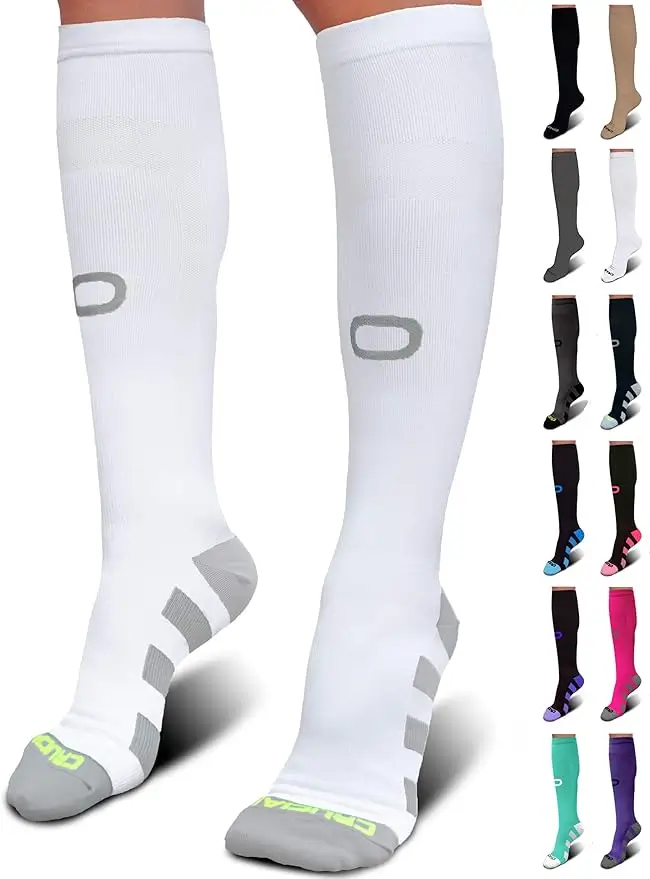
Pregnancy demands specific compression features. Crucial Compression Maternity Socks offer comfortable 15-20 mmHg pressure with wider top bands that do not restrict circulation as belly grows. The moderate compression prevents swelling without feeling overwhelming during early pregnancy when sensitivity increases. Additionally, the soft fabric feels gentle against skin that becomes more sensitive during pregnancy.
Best Stylish Compression for Professional Women

Professional settings no longer require sacrificing style for compression. VIM & VIGR Compression Socks combine fashionable patterns with genuine 15-20 mmHg graduated compression. The designs work beautifully with business casual or professional attire, making daily compression wear more appealing. Furthermore, the quality construction maintains compression effectiveness through months of regular use.
Best Budget Compression for Women

Quality compression does not always require premium prices. SB SOX Compression Socks provide effective 20-30 mmHg compression at affordable costs. While not matching luxury brands in every detail, they deliver solid graduated pressure and comfortable fit. Additionally, the variety pack options make building a rotation economical for women needing multiple pairs.
Best Compression for Nurses and Healthcare Workers

Healthcare workers face brutal leg stress during twelve hour shifts. Sockwell Graduated Compression Socks combine medical grade 15-20 mmHg compression with cushioned soles that reduce foot fatigue. The merino wool blend naturally regulates temperature and resists odor during long demanding shifts. Moreover, the anatomical design specifically accommodates women’s leg proportions for all day comfort.
Best Travel Compression for Women
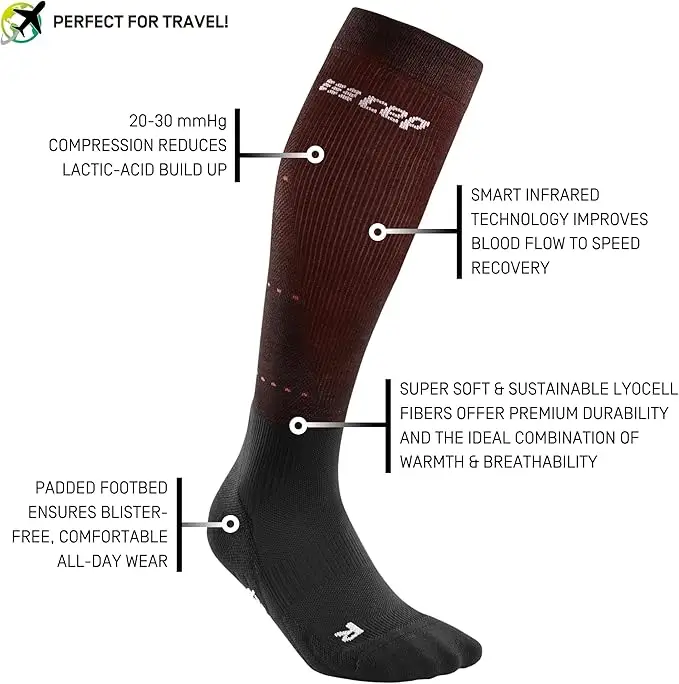
Long flights require serious compression protection. CEP Progressive Compression Socks provide anatomically correct 20-30 mmHg compression that prevents dangerous blood clots during travel. The precision fit stays comfortable through entire flights without rolling or bunching. Additionally, the quality construction withstands frequent packing and travel wear. For comprehensive travel sock options, check our best compression socks collection.
Best Compression for Varicose Veins
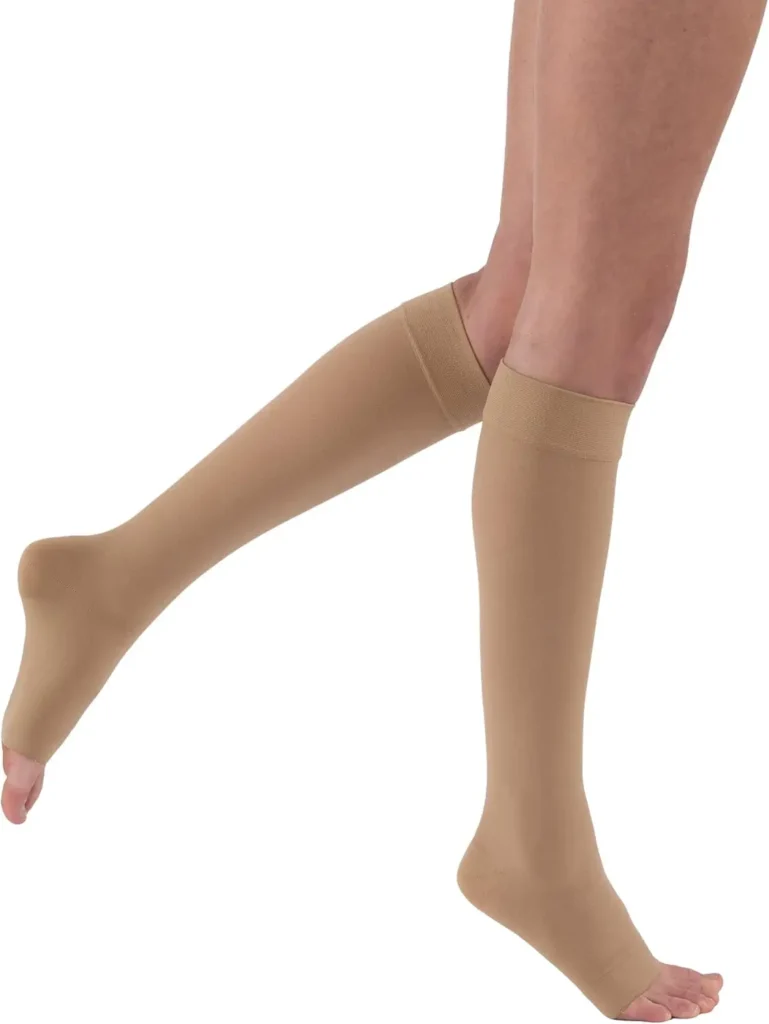
Existing varicose veins need medical grade intervention. Jobst Relief Compression Stockings deliver prescription quality 20-30 mmHg compression with precise graduated pressure. The advanced construction supports weakened veins effectively while remaining comfortable for all day wear. Although expensive, they provide superior therapeutic benefits for managing vein disease.
Best Lightweight Compression for Warm Weather
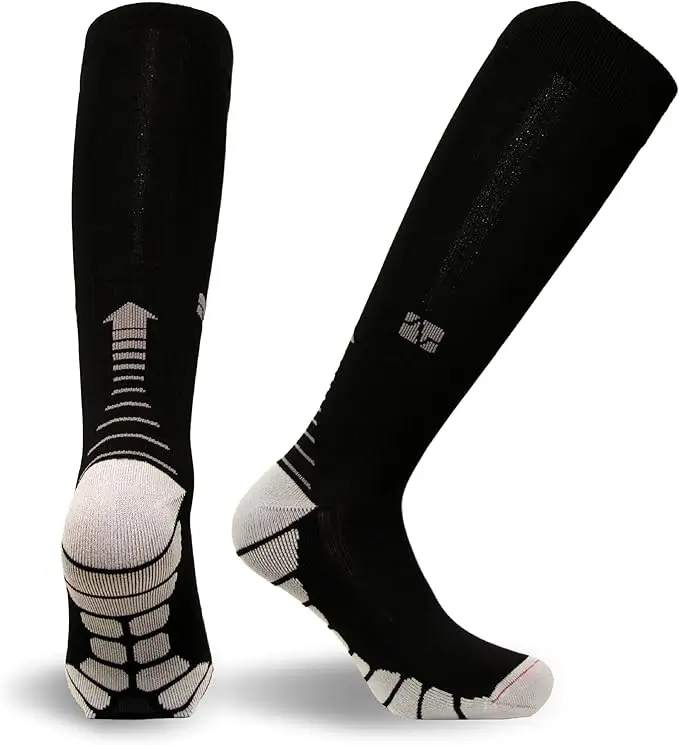
Summer heat makes heavy compression unbearable. Vitalsox Compression Socks use thin breathable materials while maintaining effective 20-30 mmHg compression. The lightweight construction prevents overheating without sacrificing therapeutic benefits. Furthermore, the moisture management keeps legs comfortable during hot weather.
Best Compression for Plus Size Women
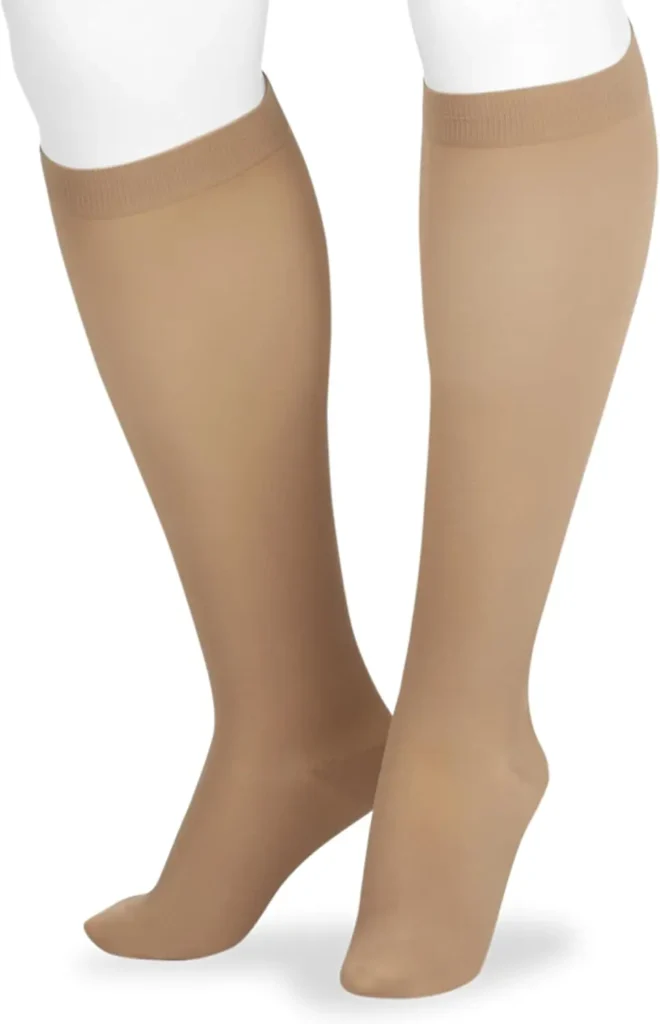
Standard compression often fails to accommodate larger calf sizes properly. Juzo Soft Compression Stockings offer extended sizing with proper graduated compression across the full size range. The medical grade construction ensures therapeutic effectiveness regardless of leg size. Additionally, the comfortable fabric prevents the binding that makes poorly fitted compression painful.
Best Compression for Athletic Women
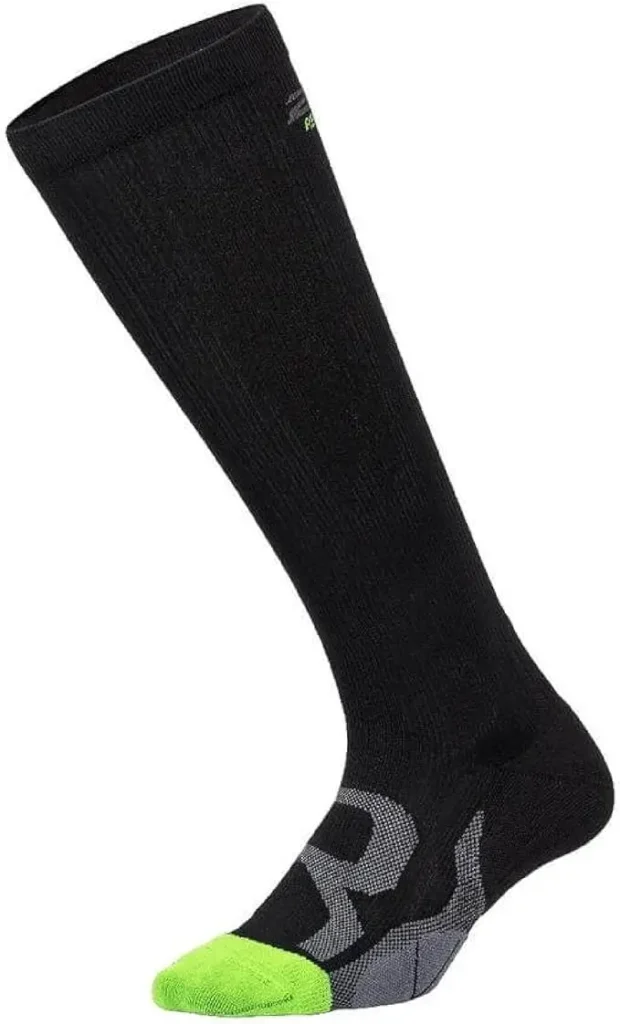
Active women need compression that supports performance. 2XU Compression Performance Socks combine athletic features with medical grade 20-30 mmHg compression. The design stabilizes muscles during exercise while providing circulatory benefits. Moreover, the advanced moisture management handles intense workouts effectively.
Best Night Compression for Women
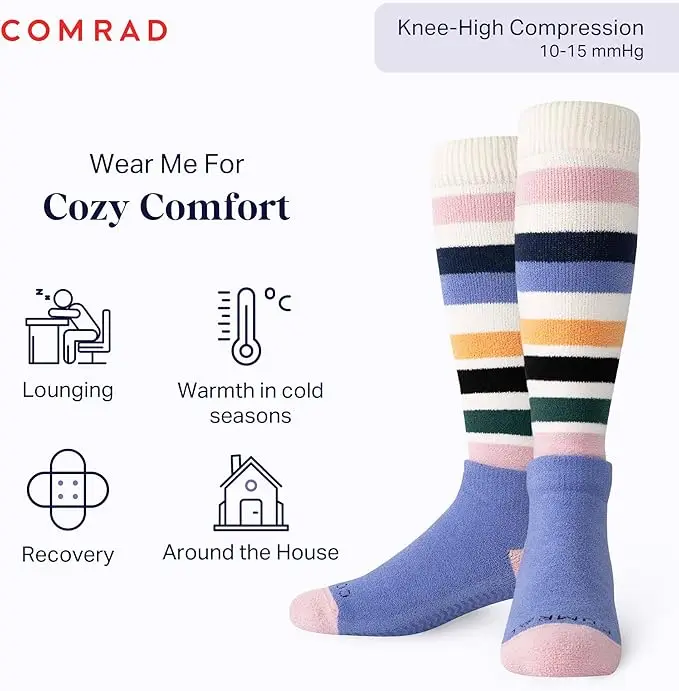
Some conditions require overnight compression. Comrad Night Compression Socks provide gentler 8-15 mmHg pressure suitable for sleeping. The softer compression maintains benefits without restricting circulation during rest. Additionally, the comfortable fabric feels better against skin during sleep than daytime compression.
Best Postpartum Compression
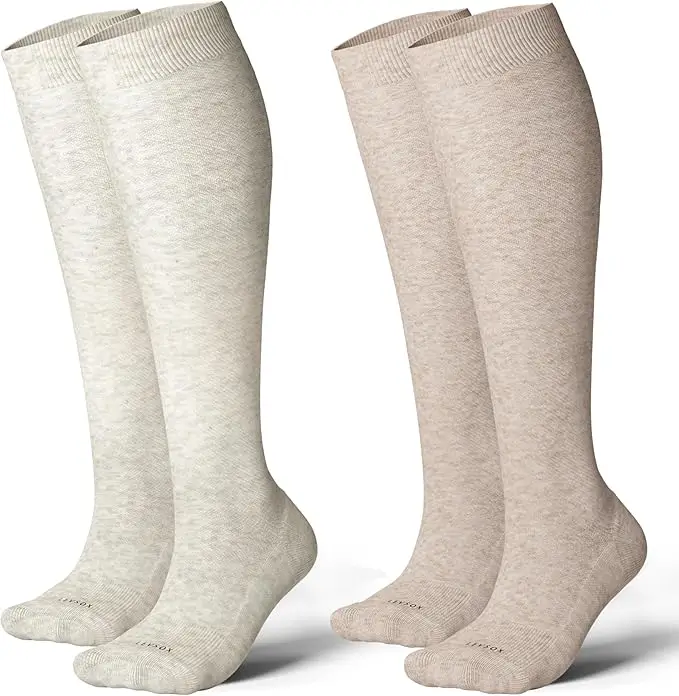
Postpartum recovery benefits from continued compression support. LEVSOX Compression Socks offer moderate 15-20 mmHg compression designed for the weeks following delivery. The comfortable design accommodates postpartum swelling while blood volume normalizes. Furthermore, the graduated pressure helps prevent postpartum blood clot risks.
Comparison Table
EVERYDAY WEAR OPTIONS
| Sock Brand | Best For | Compression Level | Price Range |
|---|---|---|---|
| Physix Gear | Overall daily use | 20 to 30 mmHg | 18 to 23 dollars |
| VIM & VIGR | Professional styling | 15 to 20 mmHg | 35 to 40 dollars |
| SB SOX | Budget friendly | 20 to 30 mmHg | 15 to 20 dollars |
| Pregnancy and Postpartum | |||
| Crucial Maternity | Pregnancy comfort | 15 to 20 mmHg | 16 to 20 dollars |
| LEVSOX | Postpartum recovery | 15 to 20 mmHg | 22 to 26 dollars |
| Specialized Needs | |||
| Sockwell Graduated | Healthcare workers | 15 to 20 mmHg | 30 to 35 dollars |
| CEP Progressive | Travel protection | 20 to 30 mmHg | 50 to 55 dollars |
| Jobst Relief | Varicose veins | 20 to 30 mmHg | 40 to 45 dollars |
| Comfort and Fit | |||
| Vitalsox | Warm weather | 20 to 30 mmHg | 18 to 22 dollars |
| Juzo Soft | Plus size women | 20 to 30 mmHg | 70 to 75 dollars |
| 2XU Performance | Athletic activity | 20 to 30 mmHg | 35 to 40 dollars |
| Comrad Night | Overnight wear | 8 to 15 mmHg | 35 to 40 dollars |
Real World Use Cases
Sarah, 32, Pregnant Teacher: Standing all day during pregnancy caused severe ankle swelling. Switching to 15-20 mmHg maternity compression eliminated the swelling and prevented varicose veins from developing. She wore compression throughout both pregnancies and postpartum recovery.
Michelle, 45, Nurse: 12 hours hospital shifts created painful leg fatigue and visible veins. Medical grade 20-30 mmHg compression reduced the aching dramatically and slowed vein progression. She now considers compression essential work equipment.
Jennifer, 28, Flight Attendant: Frequent long flights while taking birth control pills created blood clot concerns. Travel compression during flights eliminated leg swelling and provided peace of mind about clot risks.
Lisa, 52, Office Manager: Perimenopause worsened existing vein problems. Daily compression improved circulation enough that she avoided vein treatment procedures her doctor had recommended.
Advanced Tips for Maximum Benefit
Put compression socks on first thing in the morning before swelling starts. Once legs swell, compression becomes harder to put on and less effective. Additionally, elevation before wearing compression helps further reduce fluid accumulation.
Measure legs properly for accurate sizing. Measure ankle circumference at the narrowest point, calf circumference at the widest point, and leg length from floor to knee bend. Take measurements in the morning when swelling is minimal for most accurate results.
Replace compression regularly even when they look fine. The elastic fibers break down invisibly over months of use. When socks feel looser or stop providing noticeable benefit, replacement time has arrived regardless of visible condition.
Combine compression with movement when possible. Calf muscle contractions enhance compression benefits by actively pumping blood upward. Therefore, flexing ankles periodically while wearing compression improves overall effectiveness.
Common Mistakes Women Make With Compression
Choosing compression based on appearance alone leads to disappointment. Pretty patterns matter less than proper graduated pressure and correct fit. Prioritize function first, then find attractive options within properly functional choices.
Wearing compression occasionally provides minimal benefit. Vascular health requires consistent daily use to see real improvements. Sporadic wearing during especially painful days addresses symptoms without supporting actual healing.
Ignoring sizing guidelines results in ineffective or harmful compression. Too tight restricts circulation dangerously, while too loose provides inadequate pressure. Measure carefully and follow brand specific sizing charts rather than guessing based on regular sock size.
Conclusion
After years of evaluating women’s compression needs and testing countless options, my recommendations depend on your specific situation. For everyday wear and prevention, Physix Gear Compression Socks provide excellent graduated pressure at reasonable prices. Pregnant women benefit most from Crucial Compression Maternity Socks designed specifically for pregnancy comfort. Professional women appreciate VIM & VIGR stylish options that work with business wardrobes. Those managing existing varicose veins need medical grade Jobst Relief compression for therapeutic benefits.
Ultimately, the best compression socks for women address your unique anatomical needs, accommodate hormonal fluctuations, and support your specific lifestyle demands. Choose based on your primary need whether prevention, pregnancy, profession, or medical management. Measure carefully for proper fit, and commit to consistent daily wear for maximum benefit. The investment in quality compression pays off through reduced swelling, prevented vein problems, and significantly improved leg comfort throughout your daily activities. Your circulatory health deserves the same attention you give to other aspects of wellness, and proper compression provides accessible effective support for maintaining it long term.