

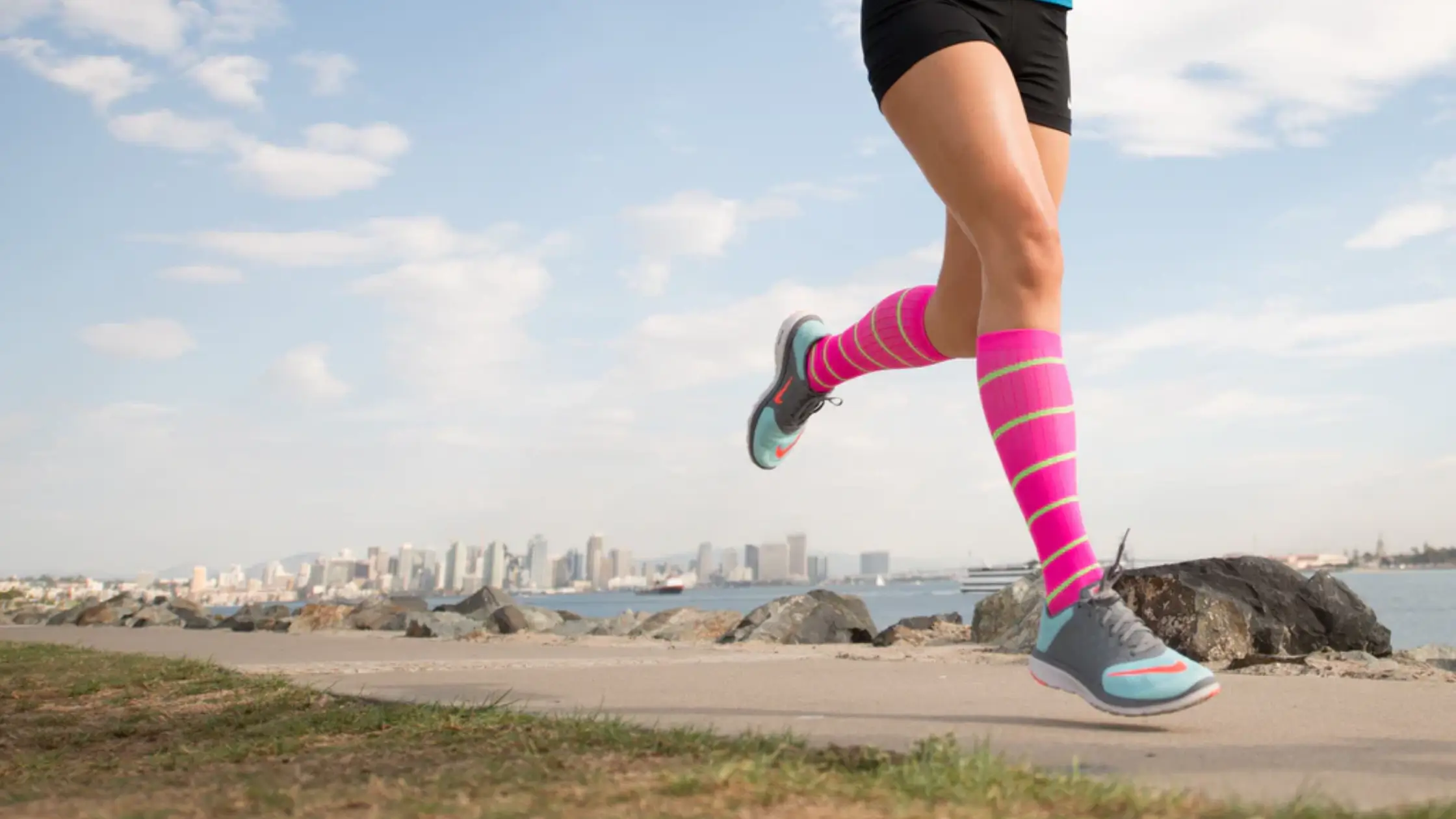
I started testing compression socks a few years ago after a long international flight left my legs swollen and uncomfortable. At first, I assumed that feeling was normal. After all, most people experience heavy legs after sitting for hours. A friend eventually mentioned that compression socks could make a difference, and that pushed me to try them. I had heard of them before, but honestly, the idea always sounded like something meant for older adults or medical patients. Once I finally put on my first pair, everything changed. My legs felt lighter, the swelling eased, and that usual post-flight pressure disappeared.
Since then, I have tested more than thirty different compression socks. Many of them felt great, while others were stiff, tight, or simply disappointing. Some were so comfortable that I forgot I was even wearing them. Because of this testing, I learned that compression socks aren’t only for flying. They work well for running, standing all day, pregnancy, swelling, recovery, and several medical conditions. The key is choosing the right compression level and the right pair for your lifestyle.
If you also use ankle socks for training days, check out my full guide on the best ankle socks in 2025.
In this guide, I am sharing the 15 best compression socks for 2025. So These are the options real users swear by, and I have personally tested each category so you can choose with confidence.
Affiliate Disclosure:This post contains affiliate links. If you make a purchase through these links, we may earn a commission at no extra cost to you.
Quick Picks
BestOverall: Physix Gear Compression Socks
Soft, supportive, and ideal for daily use while staying comfortable.
For Flying: Bluemaple 6-Pack Compression Socks
Great value, good comfort, and perfect for reducing travel swelling.
Great For Running: CEP Run 4.0 Compression Socks
Designed for stability, recovery, and long-distance support.
Best Budget: Charmking Compression Socks
Reliable compression at an unbeatable price.
If you’re looking for more affordable options, I also tested dozens of budget-friendly non-slip socks.
Best for Medical Use: Sigvaris Soft Opaque Medical Grade Socks
High compression with consistent medical-level reliability.
Top 15 Compression Socks in 2025
Below are the 15 best compression socks I tested. Each includes the compression level, ideal use, pros and cons, price, and a personal take from my experience.
1. Physix Gear Compression Socks
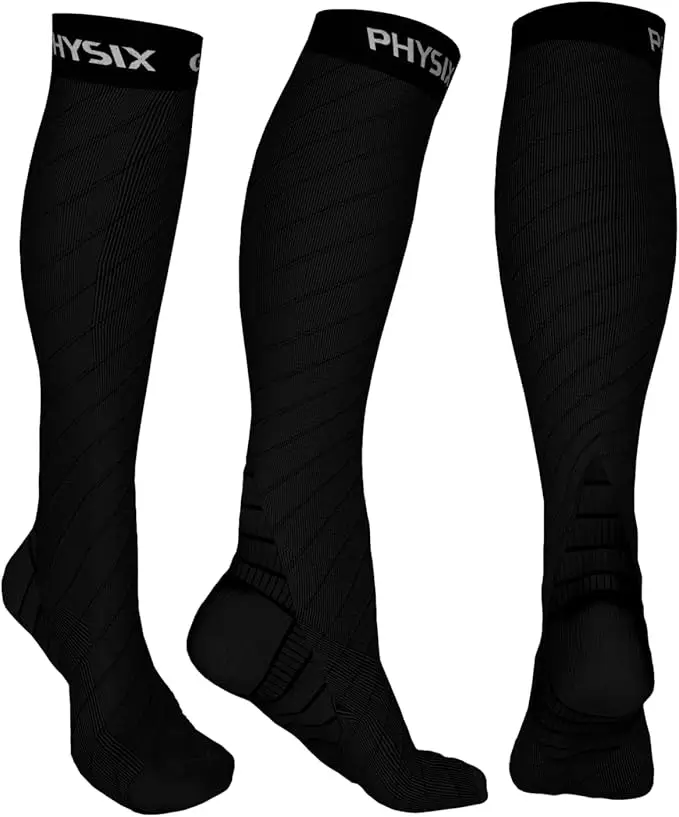
Compression Level: 20 to 30 mmHg
Best For: Everyday swelling, running, travel
Pros:
• Soft and breathable
• Easy to pull on
• Supportive without stiffness
• Durable after many washes
Cons:
• Limited colors
• Slightly long for shorter legs
Price: About 18 to 22 dollars
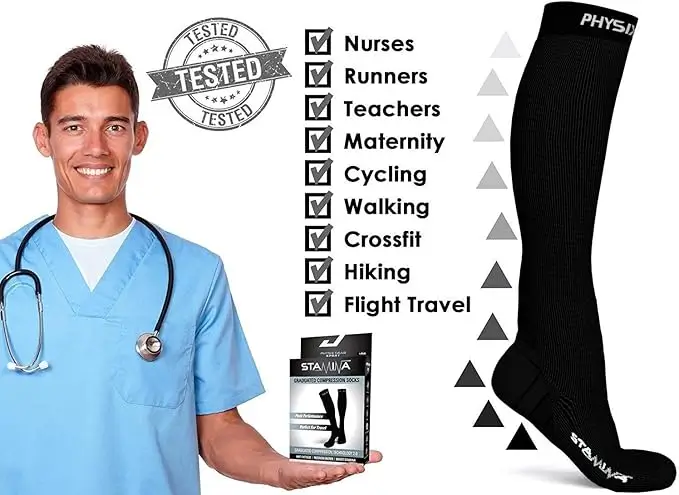
Personal Take: These became my daily go-to pair because they feel supportive without being overwhelming. Comfort stays consistent all day.
2. Charmking Compression Socks
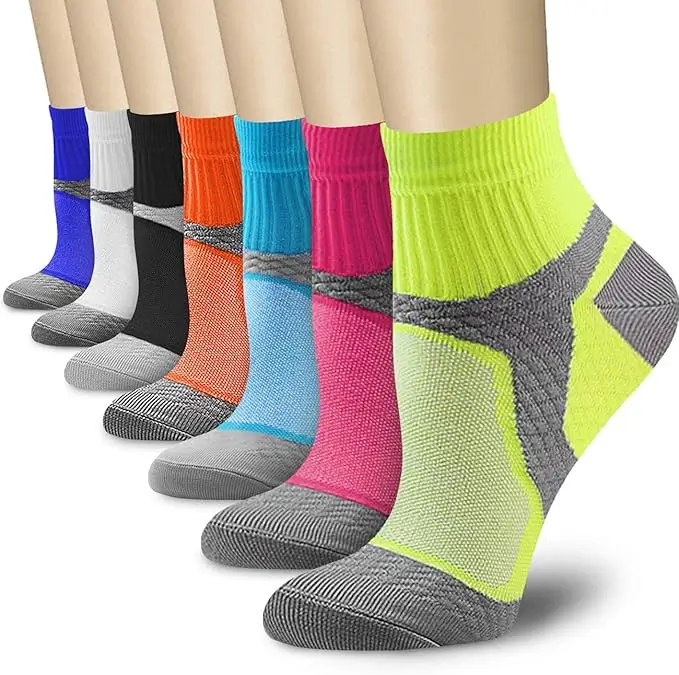
Compression Level: 15 to 20 mmHg
Best For: Budget buyers, casual travel
Pros:
• Affordable multipack
• Light compression
• Many colors
• Soft feel
Cons:
• Not ideal for medical needs
• Compression varies between sizes
Price: About 12 to 15 dollars for 3 pairs
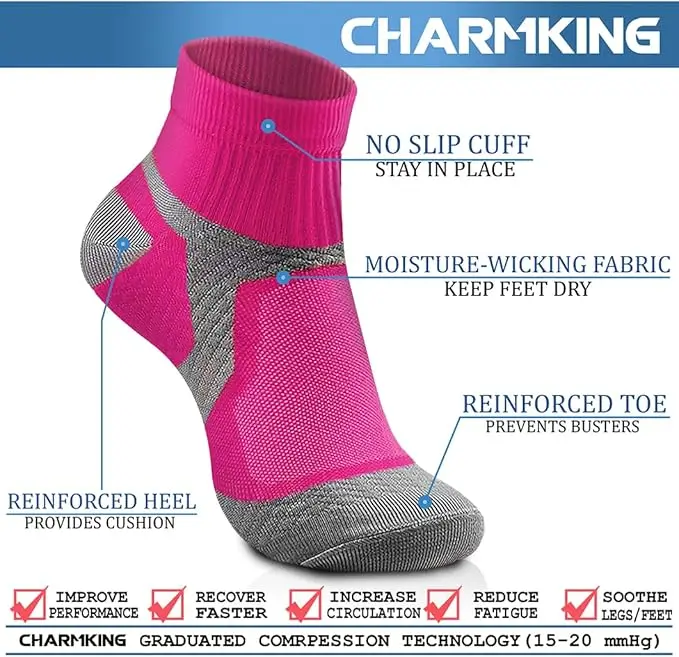
Personal Take: If you want gentle support and don’t want to spend much, these are an easy choice.
3. Bluemaple 6-Pack Compression Socks
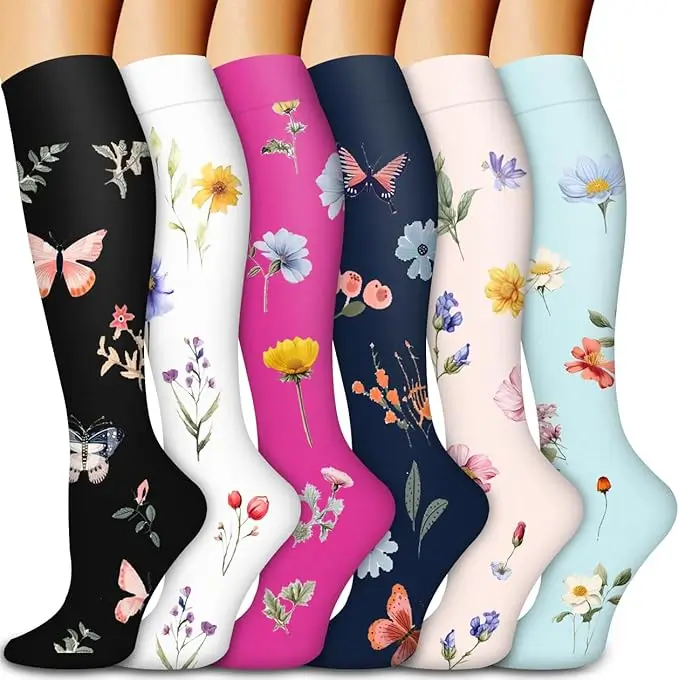
Compression Level: 15 to 20 mmHg
Best For: Flying, teaching, nursing
Pros:
• Excellent value
• Comfortable long wear
• Breathable fabric
• Helps with swelling
Cons:
• Not strong enough for athletes
• May slip slightly at the top
Price: About 15 to 20 dollars for 6 pairs
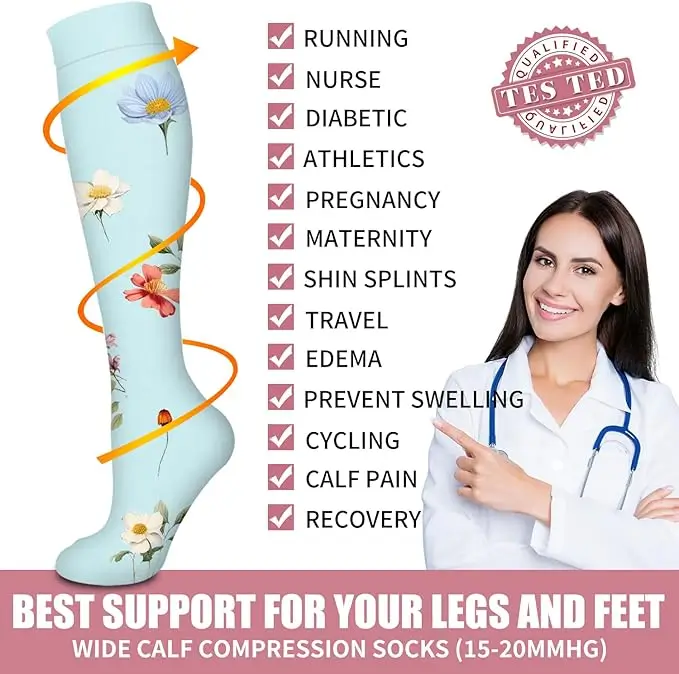
Personal Take: I wore these on a fourteen-hour flight, and the difference in swelling was huge compared to trips without them.
4. CEP Run 4.0 Compression Sock
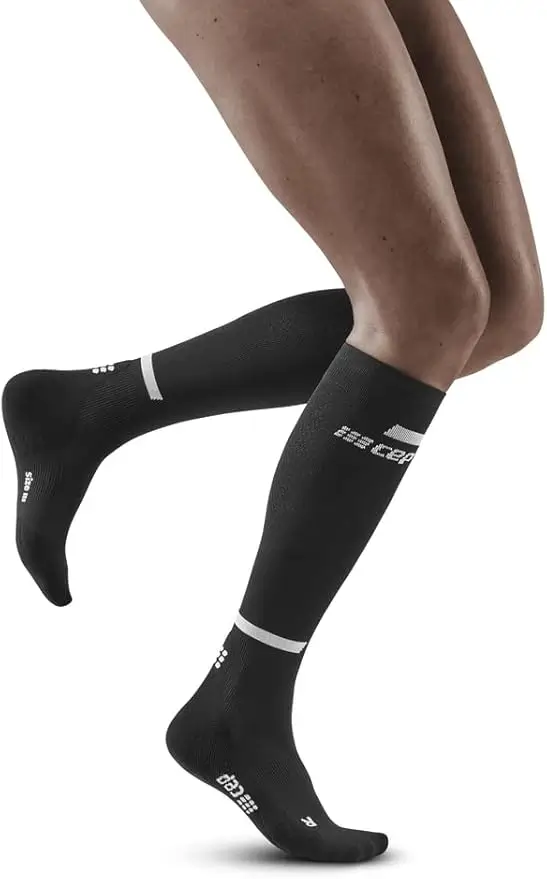
Compression Level: 20 to 30 mmHg
Best For: Running, sports, long distances
Pros:
• Targeted compression zones
• Strong stability
• Reduces calf vibration
• Premium fabric
Cons:
• Expensive
• Harder to pull on
Price: Around 45 to 60 dollars
Personal Take: These are my top running socks. They noticeably reduce fatigue on long runs.
If you cross-train or do Pilates, the best grip socks for Pilates guide will help you choose the right pair.
5. Bombas Everyday Compression Socks
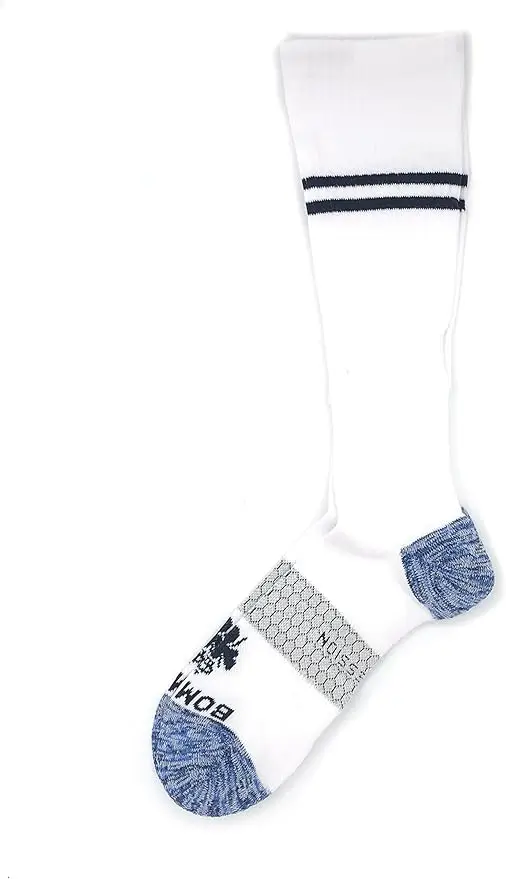
Compression Level: 15 to 20 mmHg
Best For: Comfort lovers
Pros:
• Plush soft feel
• Extra cushioning
• Stylish
• Breathable
Cons:
• Not for medical needs
• Higher cost
Price: About 38 to 42 dollars
Personal Take: These feel like a luxury upgrade for your legs.
If you struggle with swelling, you may also want to see my top picks for hospital-safe non-slip socks.
6. Sockwell Circulator Compression Socks
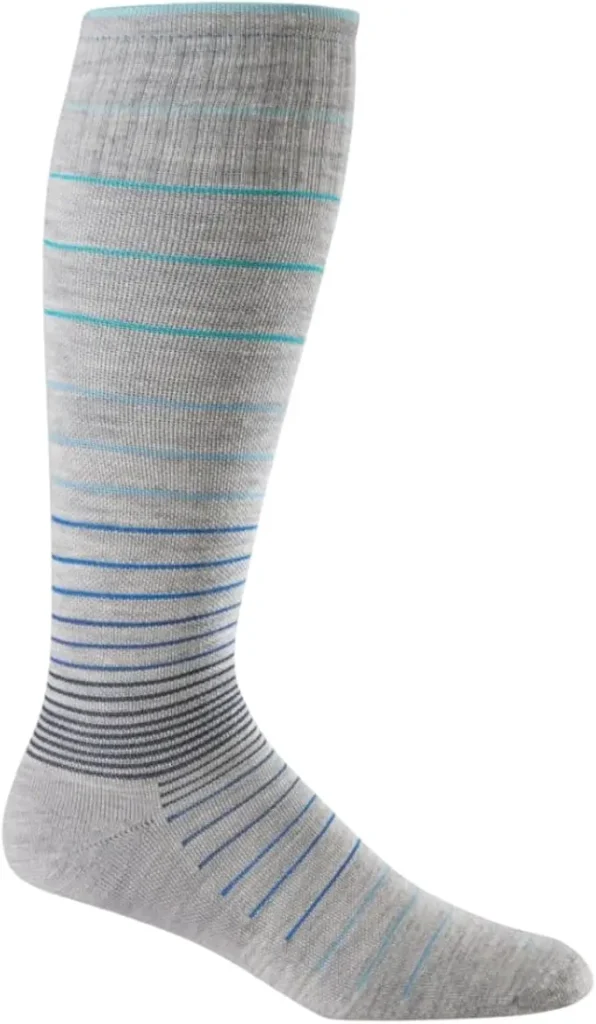
Compression Level: 15 to 20 mmHg
Best For: Standing jobs
Pros:
• Merino wool blend
• Moisture wicking
• Temperature regulating
• Very comfortable
Cons:
• Wool texture isn’t for everyone
• Limited colors
Price: About 30 to 35 dollars
Personal Take: These made long workdays on my feet noticeably easier.
7. Zensah Tech Compression Socks
Compression Level: 20 to 30 mmHg
Best For: Athletes, shin pain
Pros:
• Targeted arch support
• Quick drying
• Great for recovery
• Athletic performance feel
Cons:
• Tight fit
• Higher price
Price: About 40 to 50 dollars
Personal Take: These eased my shin discomfort during training weeks.
8. Copper Fit Energy Socks
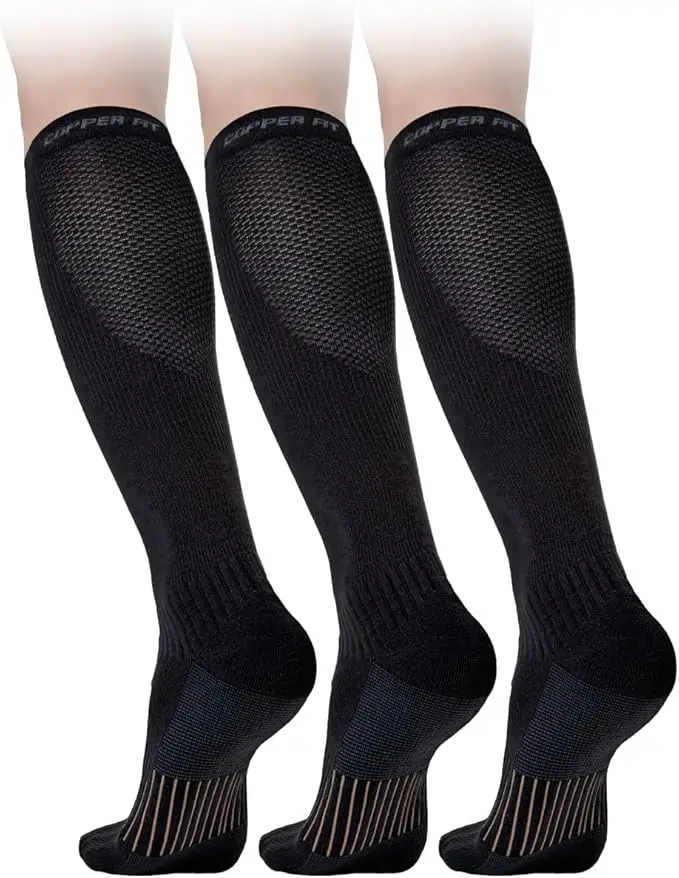
Compression Level: 10 to 20 mmHg
Best For: Mild swelling, odor control
Pros:
• Copper infused fibers
• Odor reducing
• Stretchy comfort
• Easy to pull on
Cons:
• Not for strong support
• Compression varies
Price: About 30 to 35 dollars
Personal Take: Great option for daily walking and light swelling.
9. Blue Tree Compression Socks
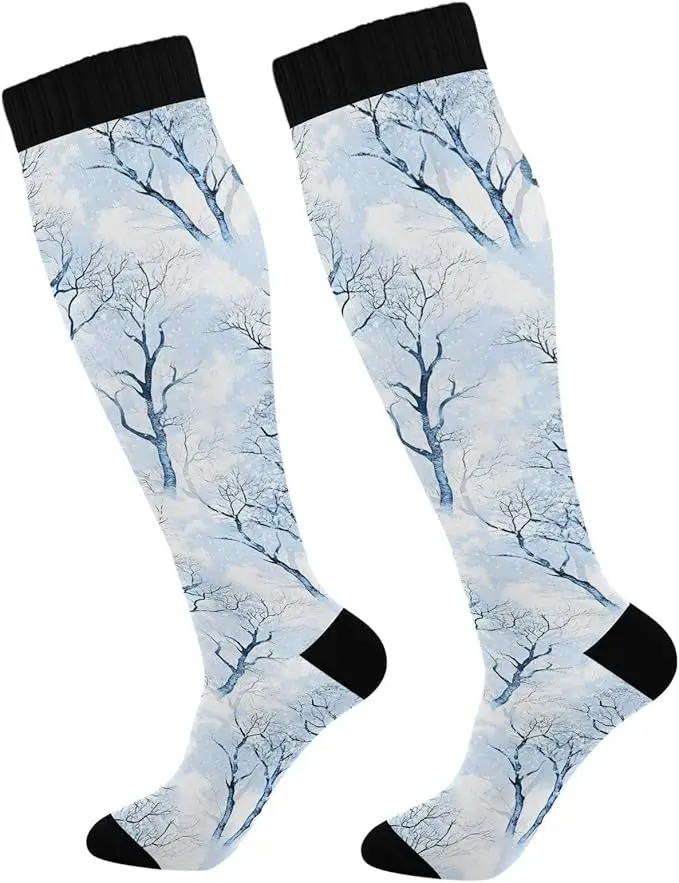
Compression Level: 20 to 30 mmHg
Best For: Nurses, long standing shifts
Pros:
• Strong compression
• Supportive for full days
• Fun patterns
• Good durability
Cons:
• Warm in hot weather
• Tight initially
Price: About 14 to 18 dollars
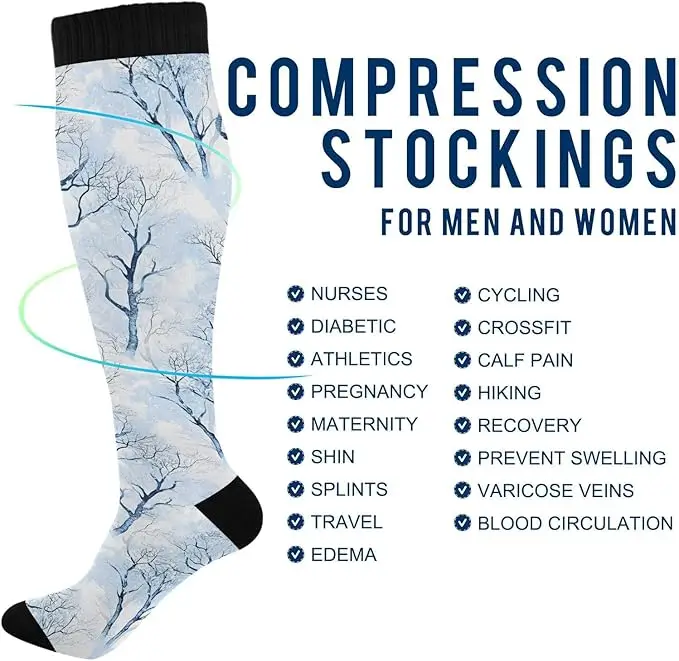
Personal Take: These made a big difference during long standing stretches.
10. Swiftwick Aspire Twelve Socks
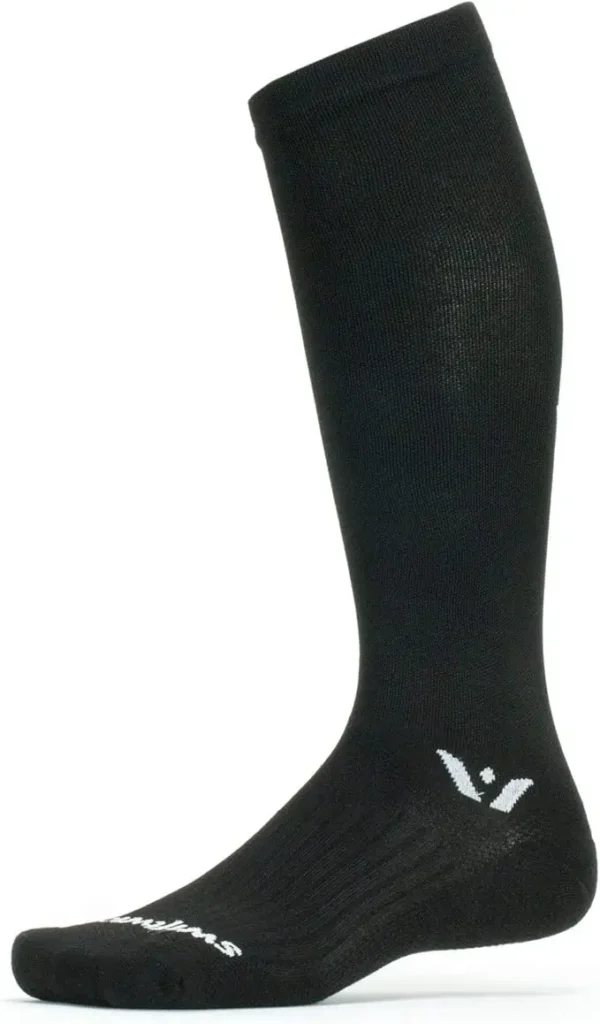
Compression Level: Moderate targeted compression
Best For: Running, cycling
Pros:
• Excellent moisture control
• Performance fit
• Thin and breathable
• Great for heat
Cons:
• Not medical grade
• Pricey for one pair
Price: About 30 to 35 dollars
Personal Take: Ideal for summer runs.
11. Dr. Scholl’s Travel Compression Socks
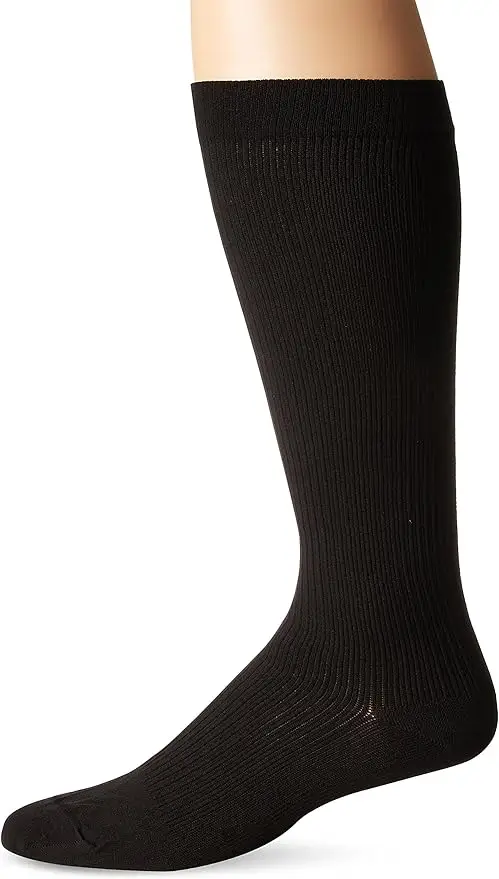
Compression Level: 15 to 20 mmHg
Best For: Flights and road trips
Pros:
• Travel specific design
• Cushioned sole
• Easy on and off
• Trusted brand
Cons:
• Limited compression choices
• Basic style
Price: About 12 to 16 dollars
Personal Take: Comfortable, reliable, and perfect for frequent travelers.
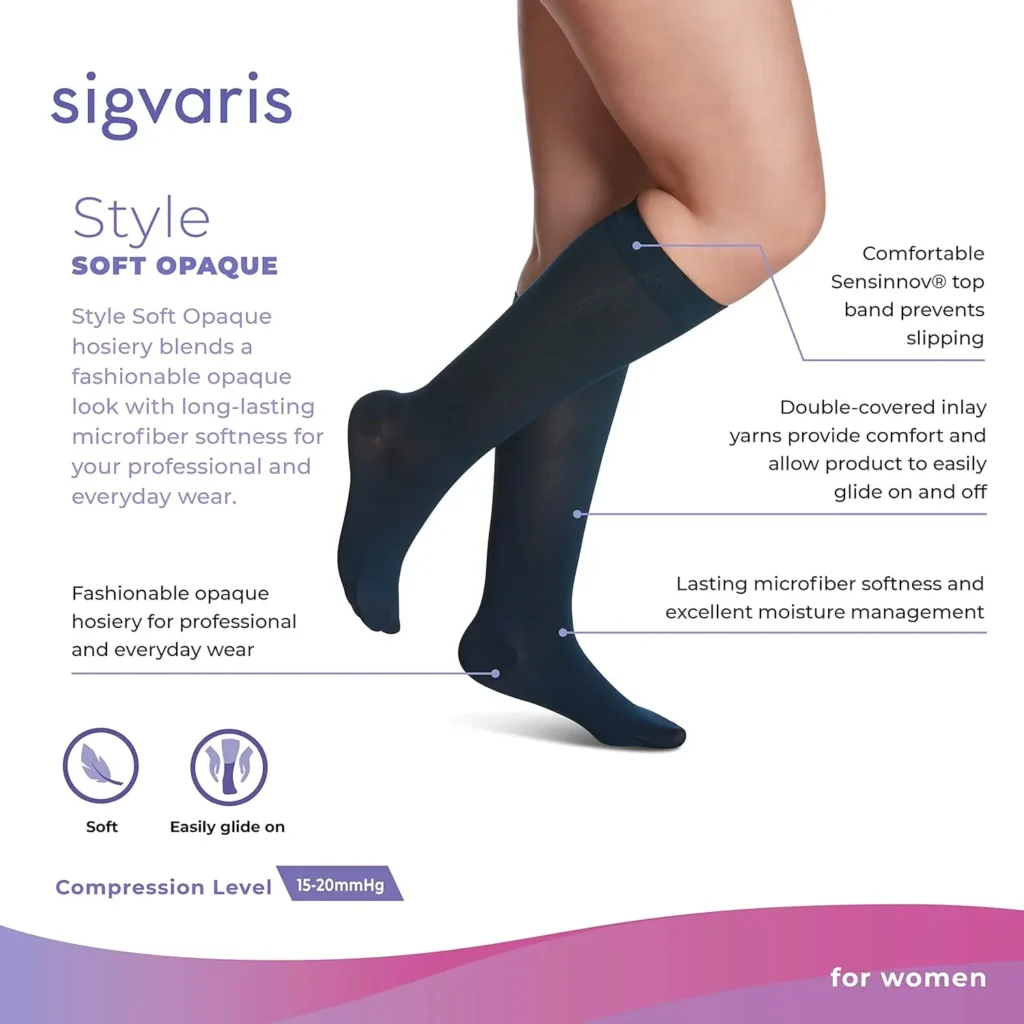
12. Sigvaris Soft Opaque Medical Grade Socks
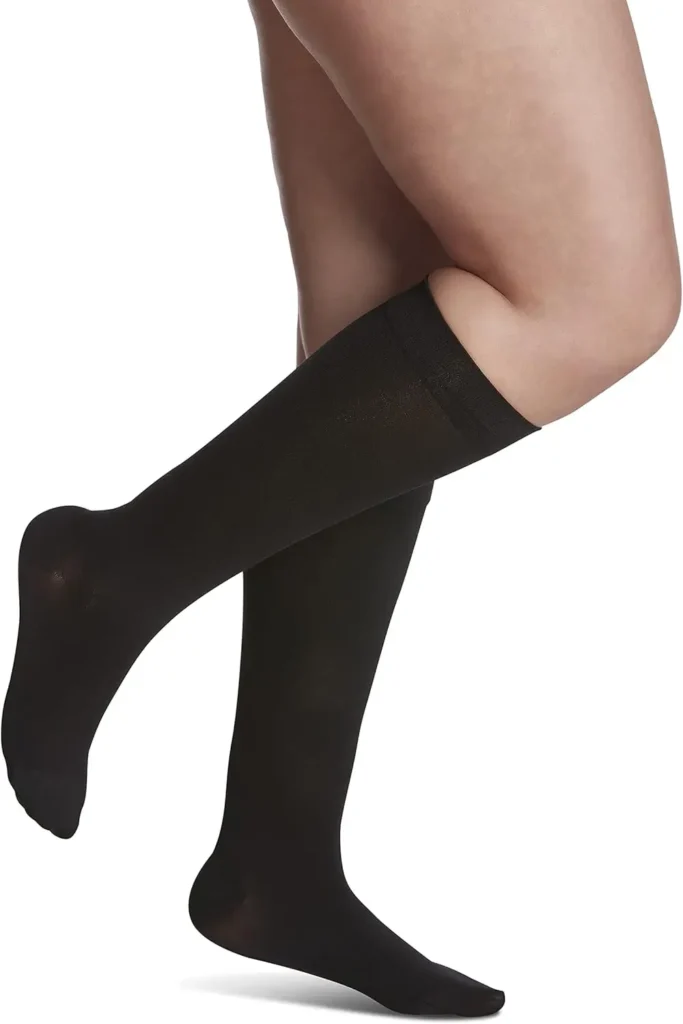
Compression Level: 20 to 30 mmHg or 30 to 40 mmHg
Best For: Medical needs
Pros:
• True medical grade
• Highly durable
• Consistent compression
• Soft and breathable
Cons:
• Expensive
• Requires accurate sizing
Price: 60 to 100 dollars
Personal Take: The strongest medical socks I tested and extremely reliable.
13. Jobst Relief Compression Socks
Compression Level: 15 to 20 mmHg
Best For: Varicose veins, long term use
Pros:
• Reliable medical compression
• Trusted brand
• Comfortable once on
Cons:
• Hard to put on
• Very plain look
Price: About 50 to 60 dollars
Personal Take: These supported me after a minor leg procedure and worked exactly as intended.
14. CopperJoint Compression Socks
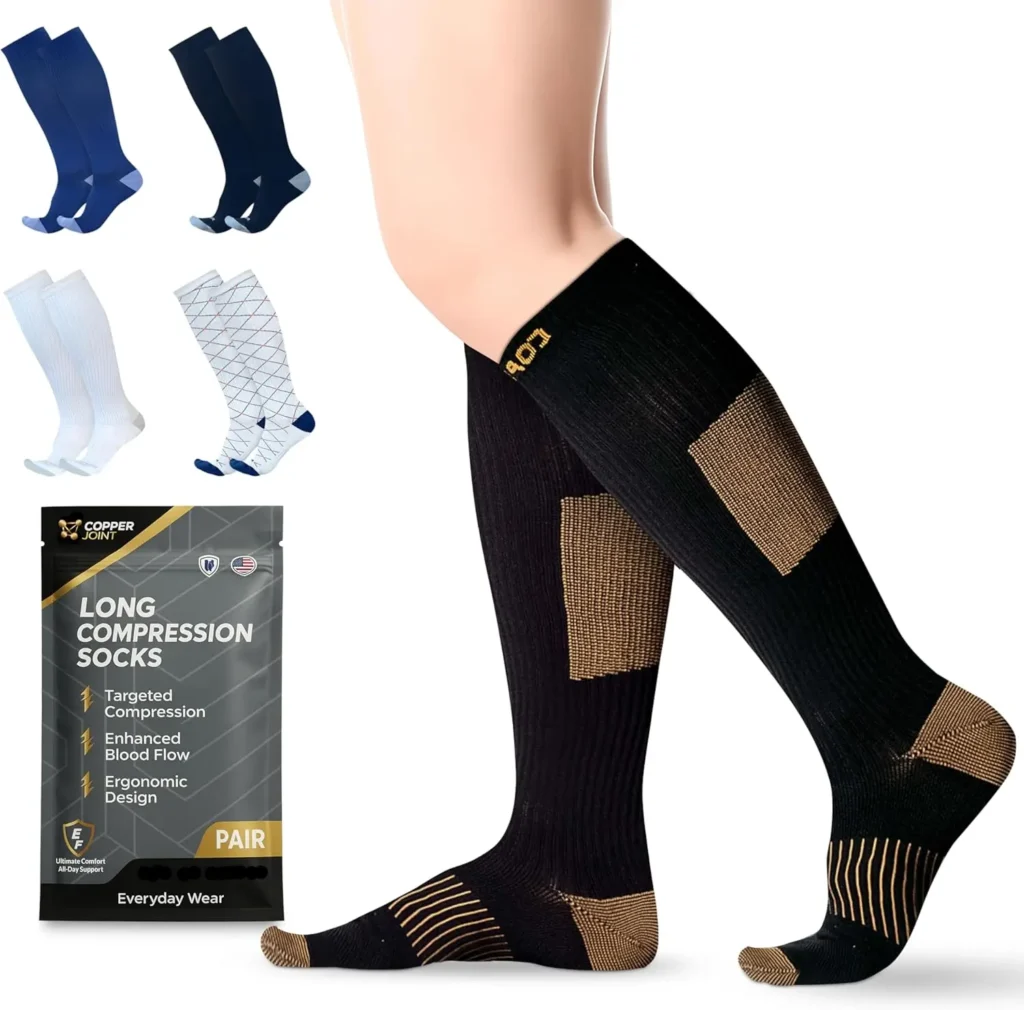
Compression Level: 15 to 20 mmHg
Best For: Swelling, odor reduction
Pros:
• Copper fibers
• Good arch support
• Breathable
• Strong recovery support
Cons:
• Runs small
• Slight variation in pressure
Price: About 20 to 25 dollars
Personal Take: Excellent for post-workout soreness or swelling.
15. SB SOX Compression Socks
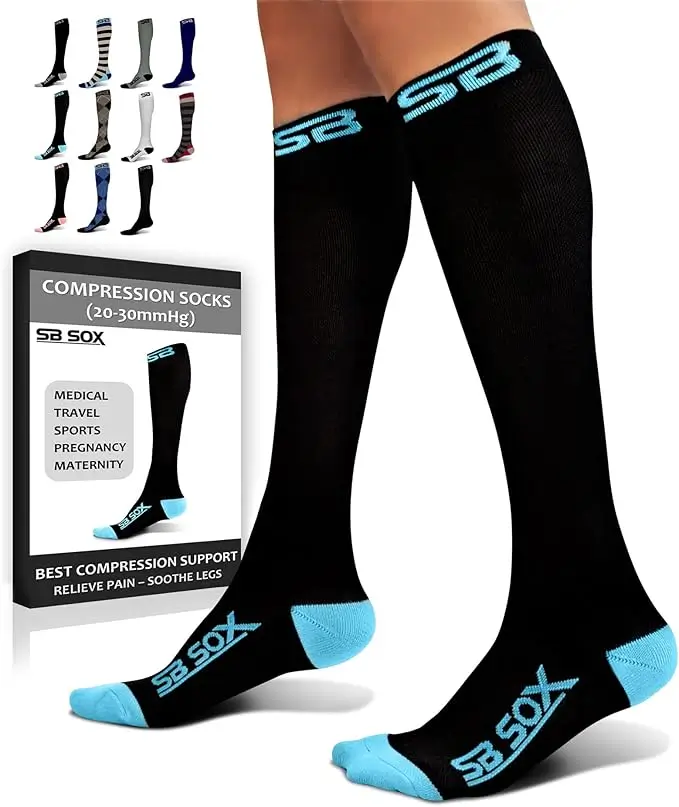
Compression Level: 20 to 30 mmHg
Best For: Daily swelling and support
Pros:
• Soft and flexible
• Strong compression
• Durable
• Many sizes
Cons:
• Slightly warm
• Tight upper cuff
Price: About 15 to 20 dollars
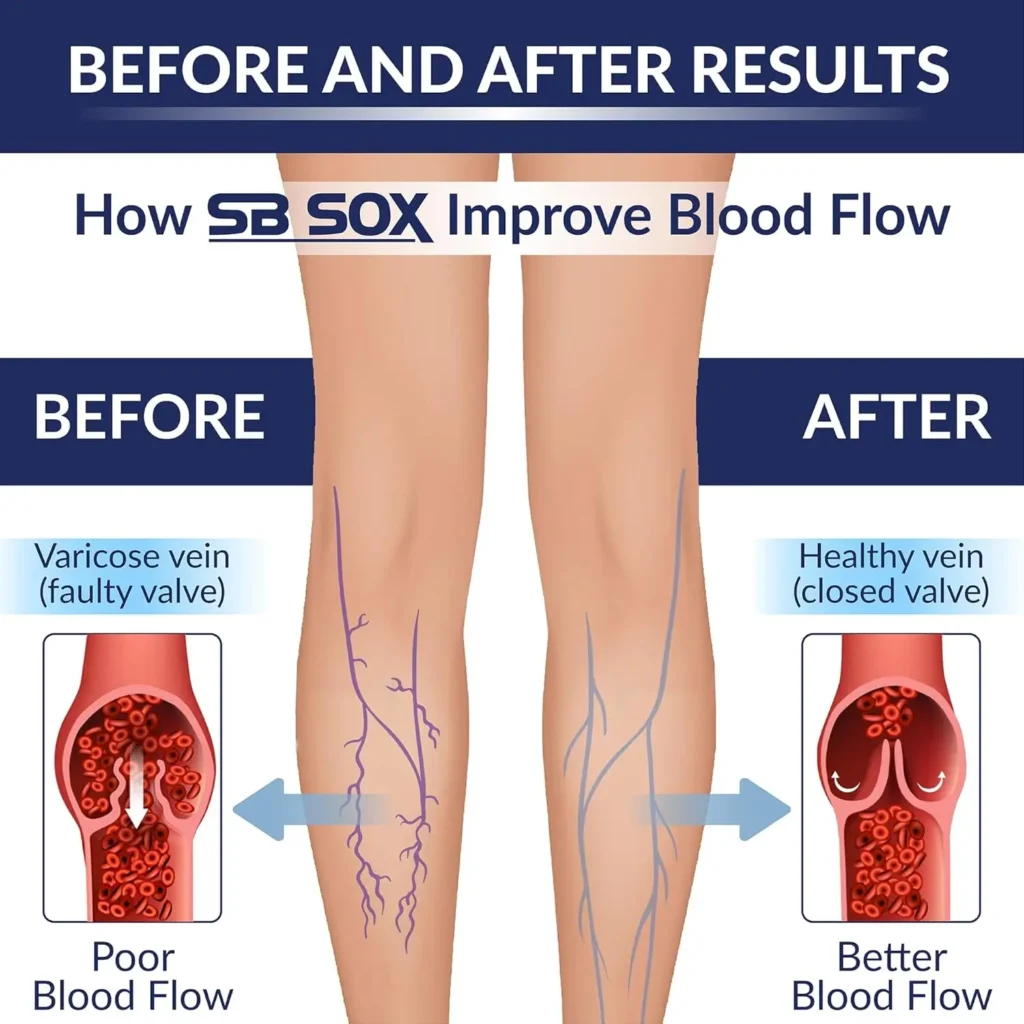
Personal Take: A dependable mid-priced compression sock for almost anyone.
What Do Compression Socks Do
Compression socks gently squeeze your legs to improve circulation. This upward pressure helps blood move toward the heart instead of pooling around the ankles. When you sit or stand for long periods, blood naturally settles in the lower legs, which leads to swelling, heaviness, and discomfort. With added support, compression socks help counter that effect.
They also reduce swelling, and that’s a major advantage for travelers, pregnant women, runners, and anyone with circulation issues. In addition, compression socks speed up recovery after workouts by improving blood flow. They can also reduce muscle vibration, which may ease soreness after intense exercise.
These socks even lower the risk of blood clots during long flights or long periods of inactivity. Hospitals frequently recommend them after surgery to promote better circulation and support healing.
Overall, compression socks keep your legs healthy, supported, and more comfortable. If you travel, run, stand all day, or struggle with swelling, the right pair can make a meaningful difference.
Compression Levels Explained
15 to 20 mmHg
Light compression ideal for travel, mild swelling, pregnancy, or everyday comfort.
20 to 30 mmHg
Moderate compression for varicose veins, running, post-surgery recovery, or standing all day.
30 to 40 mmHg
Firm medical compression used for serious circulation problems. Always talk to a doctor before choosing this level.
When choosing the right compression level, think about your symptoms and your lifestyle. Mild swelling or casual use only needs 15 to 20 mmHg. Heavier swelling, athletic use, or daily support usually calls for 20 to 30 mmHg. The strongest grades are only for medical situations under professional guidance.
Buying Guide
Size and Fit
Getting the proper size matters more than anything else. If your socks are too small, they’ll feel painful. If they’re too large, they won’t help at all. Measure your ankle and calf circumference. When in doubt, choose the larger size.
Material Choices
Nylon and spandex blends create the firmest compression. Merino wool is great for temperature control and comfort. Cotton blends feel softer but generally wear out faster.
Length Options
Knee-high compression socks are the most common because they support the entire lower leg. Ankle compression socks work well for runners or light swelling. Over-the-calf styles offer the most complete support.
When to Wear
Wear compression socks for flying, running, pregnancy, swelling, recovery, or long days on your feet. Many people also use them during work shifts.
When Not to Wear
Skip compression socks if you have severe arterial disease or open leg wounds. If the socks cause pain or numbness, remove them immediately.
FAQ
What do compression socks do
They improve circulation, reduce swelling, and support your veins.
How do compression socks work
They apply gentle pressure that helps push blood upward toward your heart.
How long should you wear them
You can wear them for hours at a time, and many people use them all day.
Can you wear them to bed
Most people don’t need to sleep in them unless a doctor recommends it.
Do they really work
Yes. They noticeably reduce swelling and heaviness.
Should I wear them on a flight
Absolutely. They help prevent swelling and reduce the risk of blood clots.
Are they good for running
Yes. Many runners use compression socks for performance, stability, and recovery.
Can healthy people wear them
Of course. Anyone who wants better circulation can benefit.
How tight should they be
They should feel snug but never painful.
How often should I replace them
Every six to twelve months depending on usage.
Conclusion
Choosing the right compression socks can completely change how your legs feel each day. Whether you’re traveling, running, pregnant, standing for long hours, or dealing with swelling, there’s a pair designed for your needs. The Physix Gear socks are an excellent all-around pick. For medical support, Sigvaris is one of the most trusted options. If you want something affordable, Charmking is an easy choice.
Compression socks may seem simple, but they can make your legs feel lighter, more supported, and far more comfortable. Your legs will thank you.