


Yoga looks calm from the outside, however anyone who has actually practiced knows how much balance, control, and quiet strength it really demands. I still remember a heated vinyasa class years ago when a student stepped into Warrior Two, her foot slid forward on the mat, and she caught herself just in time with a nervous laugh. Honestly, that moment changed how I talk about yoga socks forever. At the time, she was barefoot like most people, however the room was warm, the mats were slightly slick, and stability suddenly mattered more than tradition.
Yoga blends balance, flexibility, and strength in a way that constantly asks your feet to work intelligently. Therefore, what you wear on them can make a real difference. Over the years, as I have taught beginners, athletes, and lifelong yogis, I have seen yoga socks turn hesitation into confidence and distraction into focus. Consequently, this guide walks through everything I have learned about yoga socks, from when they help the most to which styles actually work in real classes.
Quick Answer
Yoga socks are grip socks designed with silicone dots or patterns on the sole to prevent slipping during practice. They differ from regular athletic socks because they prioritize traction, breathability, and balance feedback. In fact, most quality yoga socks fall between ten and twenty five dollars, depending on materials and design. They are especially useful in studio settings, heated classes, and for practitioners who want more stability without sacrificing comfort.
What Makes Yoga Socks Different From Other Grip Socks
Yoga movements require constant transitions. One moment you are grounded in a standing pose, and the next you are flowing forward, twisting, or balancing on one foot. Therefore, yoga socks need to support smooth movement without feeling restrictive. Unlike some gym grip socks that focus purely on traction, yoga socks balance grip with flexibility.
Meanwhile, studio culture varies. Some yoga spaces encourage barefoot practice, while others strongly recommend or require non slip yoga socks for hygiene reasons. Consequently, yoga socks have evolved with features that respect both tradition and practicality. Toeless designs allow the toes to spread and grip naturally, which many students appreciate during balancing poses. Similarly, grip patterns are often lighter and more evenly distributed so they work on mats and smooth floors without feeling sticky.
I have watched students experiment over the years. Some tried thick socks meant for barre and felt disconnected from the mat. Others switched to lightweight yoga socks and immediately relaxed into their poses. Ultimately, the difference comes down to thoughtful design that supports yoga specific movement.
What to Look For When Choosing Yoga Socks
Grip quality always comes first. A full sole grip pattern helps during standing poses and flowing transitions, particularly when sweat becomes part of the practice. Therefore, thin dots spread across the entire bottom usually perform better than a few large patches.
Next, toeless versus full toe designs matter more than people expect. Toeless yoga socks give better balance feedback and allow natural toe splay, which is why I often recommend them for vinyasa or balance focused classes. On the other hand, full toe socks offer warmth and coverage, making them popular for slower practices or cooler studios.
Material choice also plays a huge role. Breathable fabrics like organic cotton blends or moisture wicking synthetics keep feet comfortable during long flows. Consequently, heavy or overly padded socks tend to feel distracting, especially in heated rooms. Thickness should match the style of yoga practiced. Gentle or restorative classes allow for slightly thicker socks, while power flows benefit from lightweight designs.
Finally, style matters more than people admit. Yoga culture values mindfulness and personal expression, and feeling good in what you wear often translates into confidence on the mat. Therefore, color, pattern, and overall look still deserve consideration.
Product Analysis Based on Real Class Experience
Over the years, I have watched countless pairs of yoga socks walk into my classes. Consequently, some styles became instant favorites that students reordered again and again, while others quietly faded out after just a few weeks. Based on consistent real world use, these options stood out the most.
Best Overall Yoga Socks for Daily Practice
The Tavi Noir Toeless Yoga Socks continue to be a favorite across all experience levels. Honestly, they strike the perfect balance between grip and freedom. The toeless design allows natural balance feedback, while the silicone grip stays reliable even during flowing sequences. Moreover, they remain breathable in heated rooms and come in calming colors that feel aligned with yoga culture. At around eighteen dollars, they suit dedicated practitioners who want dependable quality.
Best Yoga Socks With Secure Straps

The ToeSox Bellarina Half Toe option works especially well for students who want added security. In fact, the strap keeps the sock firmly in place during transitions and balance poses. Additionally, the grip performs consistently on mats without feeling bulky. These feel particularly helpful in balance focused practices and typically cost around twenty dollars.
Best Yoga Socks for Hot Yoga Classes

For hot yoga, Ozaiic Grippy Yoga Socks perform surprisingly well. Although they use lighter materials, they dry quickly and stay comfortable in sweaty environments. As a result, beginners often choose these as a first pair when testing yoga socks. They remain affordable while still offering functional grip.
Best Full Coverage Yoga Socks

The ToeSox Full Toe Yoga Socks appeal to students who prefer warmth and coverage. They keep feet comfortable during slow flows, meditation, and restorative sessions. Furthermore, the individual toe design prevents bunching and slipping. While slightly higher in price, they work beautifully for yin or gentle practices.
Best Premium Yoga Sock Option
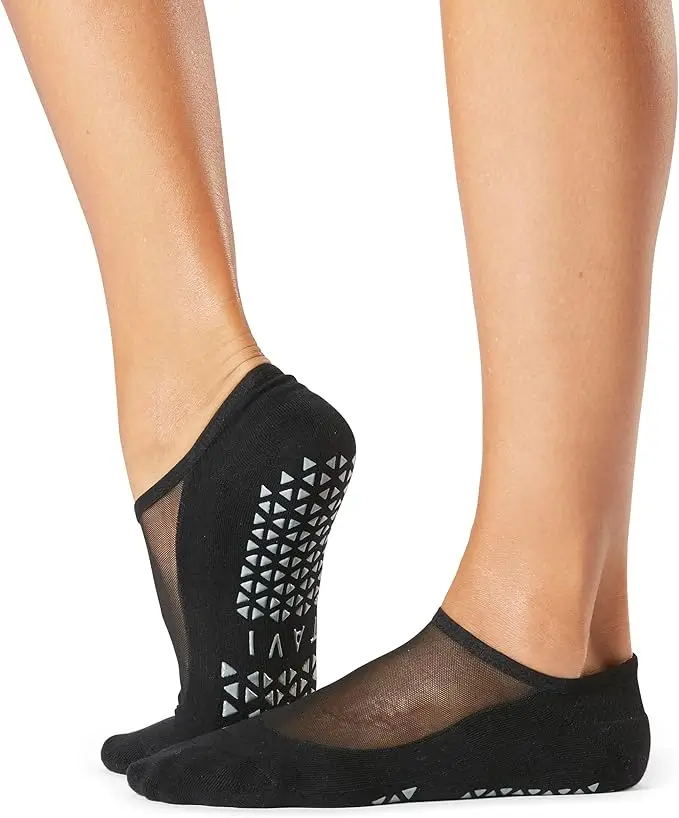
Students who value long term durability often gravitate toward Tavi Studio Sock styles. The fabric feels soft yet structured, and the grip holds up well after repeated washes. Although the price is higher, dedicated practitioners consistently appreciate their longevity and comfort.
Best Budget Friendly Yoga Socks

Budget conscious students frequently choose Gaiam Non Slip Yoga Socks multipacks. While thinner, they still provide reliable grip and allow newcomers to experiment without commitment. Consequently, these remain popular among beginners building their practice routine.
Best Yoga Socks for Sweaty Feet
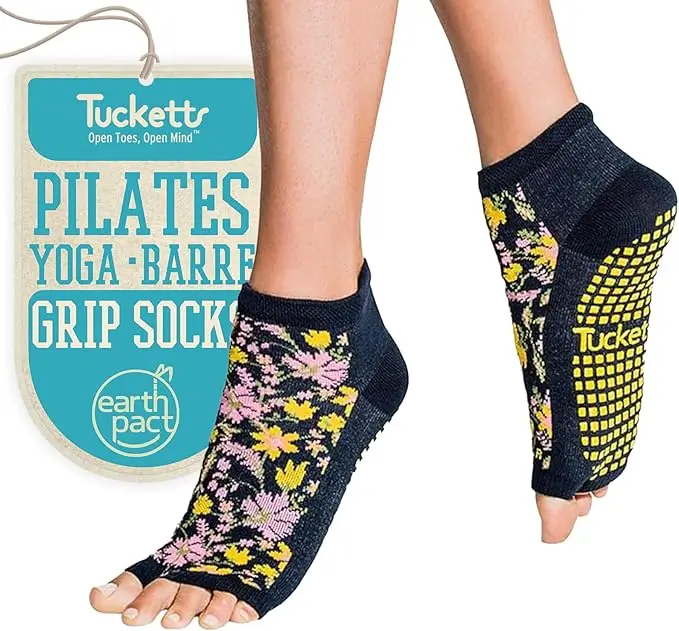
Tucketts Yoga Grip Socks stand out for moisture management. Specifically, the fabric handles sweat well, while the grip pattern remains effective even on damp mats. Tucketts fans value the thoughtful design and consistent quality across the brand.
Best Minimalist Yoga Socks

Minimalist practitioners often prefer YogaPaws Yoga Socks. These cover only the sole and heel, which creates an almost barefoot feeling. As a result, experienced yogis enjoy the added grip without sacrificing sensory feedback.
Best Patterned Yoga Socks

Students who enjoy expressive designs frequently wear ToeSox patterned collections. The playful colors bring personality into class, and importantly, the grip performance matches the visual appeal.
Best Neutral Yoga Socks

Neutral lovers often choose Tavi neutral tone styles. These blend effortlessly with any outfit and are particularly popular among instructors who prefer understated gear.
Best Yoga Socks for Wide Feet

For wider feet, CaiDieNu Yoga Socks offer better flexibility and comfort. They adapt without squeezing, which makes them more accessible for different foot shapes.
Best Yoga Socks for Maximum Grip

If grip strength is the top priority, the ToeSox Ultra Grip series consistently delivers. These perform exceptionally well on slick mats and studio floors, making them ideal for heated or fast paced classes.
Best Yoga Socks for Beginners

Beginners often feel most comfortable starting with Amazon Essentials Grip Socks. They are simple, affordable, and unintimidating, which helps students focus on movement rather than equipment.
Best Yoga Sock Multi Pack Value
Value seekers frequently choose Tavi or Gaiam multipacks. These provide variety while lowering the cost per pair, which works well for students practicing multiple times per week.
Best Cross Training Yoga Socks
Finally, students who practice both yoga and studio based workouts often choose CoolMate grip sock designs. These transition smoothly between disciplines and support mixed routines without needing multiple sock styles. If you also practice Pilates, our best pilates socks guide covers options that work beautifully for both practices.
Yoga Socks Versus Barefoot Practice
Barefoot practice offers unmatched connection to the mat and has deep roots in yoga tradition. Many experienced yogis still prefer it, especially in cooler rooms with high quality mats. However, grip socks provide stability, hygiene, and confidence for those who need it. Consequently, many practitioners switch between barefoot and socks depending on class style, studio rules, or physical needs. Both approaches serve the practice when chosen intentionally. For more details on best grip socks for yoga, our detailed review covers performance tested options.
Hot Yoga and the Role of Yoga Socks
These socks are not mandatory everywhere, however many studios recommend them for safety and cleanliness. When a class requires them, most locations sell pairs at the front desk for convenience. Pilates styles usually work just fine, although designs made specifically for yoga tend to feel lighter and more flexible. Toeless versions improve balance awareness, while full coverage styles offer warmth and protection. The fit should feel secure without cutting off circulation. General grip socks often feel stiff during flows, which explains why purpose built designs are preferred. Beginners often benefit early because stability builds confidence faster. Higher end options cost more, however durability and com
Caring for Yoga Socks
Proper care extends the life of yoga socks significantly. Washing them inside out on a gentle cycle preserves the grip. Air drying works best, since high heat can degrade silicone patterns. Over time, grip will naturally wear down, and when slipping returns, replacement becomes necessary. In my experience, well cared for socks last many months of regular practice. For complete care instructions, see our guide on how to wear grip socks properly which includes maintenance tips.
Common Questions From Students
These socks are not mandatory everywhere, however many studios still recommend them for safety and cleanliness. When a studio does require them, pairs are usually available at the front desk. Pilates styles can work in a yoga setting, although designs made specifically for yoga tend to feel lighter and more flexible. Toeless options allow better balance awareness, while full toe styles provide extra warmth and coverage. The fit should feel secure without cutting off circulation. General often feel stiff during flowing sequences, which is why yoga focused designs make a noticeable difference. Beginners often gain confidence faster when using them early in practice. Premium pairs cost more, however long term comfort and durability usually make them worthwhile. Women who want versatile studio friendly options can also explore our non slip socks for women collection.
Conclusion
After years of teaching, testing, and watching students progress, my recommendation stays consistent. A good pair can noticeably improve stability, comfort, and overall focus during practice. For balance and everyday versatility, Tavi Noir toeless styles continue to stand out. In heated rooms, lightweight and breathable designs from brands like Gaiam or Manduka perform especially well. Beginners often feel most supported starting with affordable multipacks that remove pressure around gear choices. Ultimately, selecting the right pair supports safer movement and a more enjoyable experience. Choose thoughtfully, pay attention to how your body responds, and keep showing up on the mat with confidence.