


I bought my first pair of no-show socks five years ago because I was tired of visible socks ruining the clean look of my sneakers. Those first socks cost me eight dollars, slipped down within an hour, and ended up bunched under my arches by lunchtime. I spent the entire day uncomfortable and looking ridiculous every time I had to reach down and pull them back up.
That frustrating experience taught me that not all no-show socks actually work. The difference between quality no-show socks that stay hidden all day and cheap ones that slip constantly comes down to specific design features that most people don’t know to look for.
After testing dozens of brands over the years, I’ve learned exactly what separates excellent no-show socks from the mediocre pairs that end up abandoned in your drawer. The best no-show socks combine proper heel grip, strategic silicone placement, quality elastic, and the right cut to stay invisible while remaining comfortable through full days of wear.
Let me share everything I’ve learned about choosing no-show socks that actually work, including the specific features that matter, which brands deliver on their promises, and how to avoid the common mistakes that lead to slipping, bunching, and visible sock lines.
The Quick Answer: Best No Show Socks
The best no-show socks feature silicone or rubber heel grips that prevent slipping, deep heel cups that hug your foot securely, quality elastic that maintains tension without cutting circulation, and cuts specifically designed for your shoe type (sneakers need different cuts than loafers). For men, no-show socks should sit below the ankle bone while covering enough of the foot to prevent shoe friction. For women, no-show socks work well with both athletic shoes and flats when properly designed to provide adequate coverage and grip technology.
The fundamental challenge with no-show socks is keeping them on your feet while keeping them invisible above your shoes. Cheap no-show socks fail at one or both of these requirements. They either slip down constantly (defeating the purpose) or sit too high (becoming visible and looking awkward).
Quality no-show socks solve both problems through engineering rather than relying on luck. Understanding what makes no-show socks actually work helps you choose pairs that stay comfortable and hidden rather than wasting money on socks that fail their basic purpose.
What Are No-Show Socks and Why Do People Wear Them
Before diving into specific recommendations, let’s clarify exactly what no-show socks are and when they make sense to wear.
Defining No Show Socks
No-show socks are ultra-low cut socks designed to be completely invisible when wearing shoes. They cover your foot to prevent friction and absorb sweat, but sit low enough that no fabric shows above your shoe collar.
The cut is dramatically lower than ankle socks, sitting well below your ankle bone. Most no-show socks extend only slightly above your heel in the back and cover just enough of your foot top to stay anchored.
This minimal coverage creates the appearance of going sockless while providing the practical benefits of socks. You get sweat absorption, friction prevention, and odor control without visible sock fabric disrupting your shoe aesthetic.
However, this minimal design creates engineering challenges. There’s very little fabric to grip your foot, which is why cheap no-show socks slip constantly. Quality construction and strategic grip placement become essential.
Why No-Show Socks Are Popular
The no-show sock trend emerged from the desire for clean, minimalist shoe aesthetics without sacrificing foot comfort and hygiene. Going truly sockless causes problems, including excessive shoe odor from sweat accumulation, blisters from direct shoe friction, and faster shoe wear from moisture and bacteria.
No-show socks solve these issues invisibly. Your shoes look like you’re going sockless, maintaining that clean aesthetic, but your feet stay comfortable and protected.
Athletes particularly value no-show socks for running shoes and sneakers, where visible socks can look dated or bulky. The streamlined appearance suits modern athletic shoe designs better than traditional crew or ankle socks.
Additionally, professional settings increasingly favor the no-show look with loafers, boat shoes, and dress shoes. The sockless appearance looks contemporary and sharp without the actual problems of going without socks.
For comprehensive guidance on different sock styles and when to use them, check our detailed comparison of ankle socks versus other sock lengths.
Common Problems With No-Show Socks
Despite their popularity, no-show socks frustrate many people because poorly designed pairs create more problems than they solve. The most common complaint is constant slipping, where socks work their way down and bunch under your arches within minutes of wearing them.
This slipping forces you to remove your shoes periodically to pull socks back up, which is embarrassing and defeats the convenience purpose of no-show socks. Eventually, many people give up and either go truly sockless or return to visible ankle socks.
Another frequent issue is visible sock lines where the fabric shows above your shoe collar, creating an awkward appearance that’s neither fully sockless nor properly socked. This happens when no-show socks are cut too high or when shoes sit particularly low.
Additionally, some no-show socks use such aggressive elastic or silicone that they cut into your feet uncomfortably. The discomfort makes them unwearable for full days, even if they technically stay in place.
Quality no-show socks address all these problems through thoughtful design rather than extreme solutions that create new issues.

Key Features of the Best No-Show Socks
Understanding what separates excellent no-show socks from poor ones helps you identify quality pairs and avoid common disappointments.
Silicone or Rubber Heel Grips
The single most important feature in quality no-show socks is effective heel grip technology. Without this, socks simply cannot stay on your feet, given the minimal coverage no-show designs provide.
The best no-show socks use silicone strips, dots, or patches on the inside heel area. These grip your skin gently but firmly, preventing the downward sliding that plagues cheap no-show socks. The silicone creates friction between the sock and skin without being sticky or uncomfortable.
Some premium no-show socks use rubberized heel patches instead of silicone. These work similarly, providing the grip necessary to keep socks in place. The specific material matters less than having some form of grip technology in the heel area.
However, not all heel grips are created equal. Thin, poorly applied silicone can peel off after a few washes, leaving you with non-functional socks. Quality no-show socks use durable silicone that’s properly bonded to the fabric and survives repeated washing.
Test heel grip by wearing new no-show socks for several hours of normal activity. If they stay put without constant adjustment, the heel grip is adequate. If they slip frequently, the grip is insufficient regardless of what the packaging claims.
Deep Heel Cup Construction
Beyond heel grip, the physical shape of the sock dramatically affects its staying power. The best no-show socks feature deep heel cups that hug your heel anatomy snugly.
This heel cup creates a physical anchor point that works in conjunction with the silicone grip. Even if the silicone grip loosens slightly during activity, the heel cup shape helps keep the sock positioned correctly.
Cheap no-show socks often lack proper heel cup shaping. They’re essentially flat fabric tubes cut very short, which provides nothing for your heel to sit in properly. This flat construction guarantees slipping regardless of any grip technology.
Look for no-show socks with visible heel shaping when laid flat. The heel area should look cup-shaped or contoured rather than flat. This three-dimensional construction is a sign of quality engineering.
Strategic Elastic Placement
Elastic in no-show socks serves two purposes: keeping socks on your feet and ensuring a comfortable fit. However, excessive elasticity creates the cutting, binding sensation that makes some no-show socks unwearable.
Quality no-show socks use elastic strategically rather than uniformly. Common placement includes a band across the arch area (provides security without cutting into your ankle), gentle elastic around the opening (keeps sock from gaping without constricting), and sometimes elastic reinforcement at the heel cup (helps maintain shape).
The elastic should feel supportive when you put socks on, creating slight compression that keeps them secure. However, after wearing socks for a few minutes, your body heat and movement should allow the elastic to settle into comfortable tension that you barely notice.
If no-show socks leave deep marks on your feet or cause numbness or tingling, the elastic is too aggressive. Properly designed elastic provides security without discomfort.
Appropriate Coverage for Shoe Type
No-show socks aren’t one size fits all in terms of coverage. Different shoe types require different sock cuts to stay hidden while providing adequate protection.
Sneakers and athletic shoes typically work with higher cut no-show socks because the shoe collar sits relatively high. These socks can extend slightly closer to your ankle bone without becoming visible.
Loafers and boat shoes require ultra-low cut no-show socks because these shoes have very low collars. What works invisibly in sneakers would show obviously in loafers.
Women’s flats need the lowest cut of all because flats often have minimal sides and backs. No-show socks for flats must be almost slipper-like to avoid visible sock lines.
The best no-show sock brands offer different cuts labeled for specific shoe types. Don’t assume a single style will work with all your shoes. Choose no-show socks matched to your primary shoe type.
Quality Materials and Construction
Beyond specific features, overall material quality and construction affect how well no-show socks perform and how long they last.
Look for blends that include moisture-wicking fibers like polyester or nylon. Pure cotton no-show socks absorb sweat but don’t dry quickly, creating dampness that causes slipping and odor. Synthetic blends wick moisture away from skin and dry faster.
Seamless or flat seam toe construction prevents the toe irritation that can develop during long wear. Bulky toe seams create friction against the shoe toe boxes, causing discomfort that defeats the purpose of wearing socks.
Reinforced areas at high wear points (heel, ball of foot) extend sock lifespan. No-show socks experience concentrated wear in small areas, so reinforcement in these zones makes the difference between socks lasting months versus weeks.
Additionally, quality stitching throughout ensures socks maintain their shape through repeated washing. Cheap no-show socks often lose their heel cup shape or develop holes quickly because of poor construction.
For guidance on sock care that extends lifespan, see our comprehensive guide on how to wash grip socks (similar care principles apply to no-show socks).

Best No Show Socks: Top 15 Picks for Men and Women
Affiliate Disclosure: This post contains affiliate links. If you make a purchase through these links, we may earn a commission at no extra cost to you.
Based on extensive testing across different shoe types and activities, here are the no-show socks that consistently perform best.
1. Bombas Ankle Socks (Best Overall)

Bombas revolutionized no-show socks with their thoughtful engineering. The proprietary stay-up technology combines a silicone grip with a perfectly contoured heel cup that genuinely works all day.
The material blend wicks moisture effectively while remaining soft against skin. The elastic provides security without the cutting sensation common in cheaper brands. These work excellently with sneakers and low-top athletic shoes.
Additionally, Bombas offers a satisfaction guarantee, which demonstrates their confidence in the product. While pricier than budget options, the combination of performance and durability justifies the cost for regular no-show sock wearers.
For a detailed analysis of Bombas performance, read our complete Bombas no-show socks review.
2. Nike Everyday Plus No Show Socks (Best for Athletic Shoes)
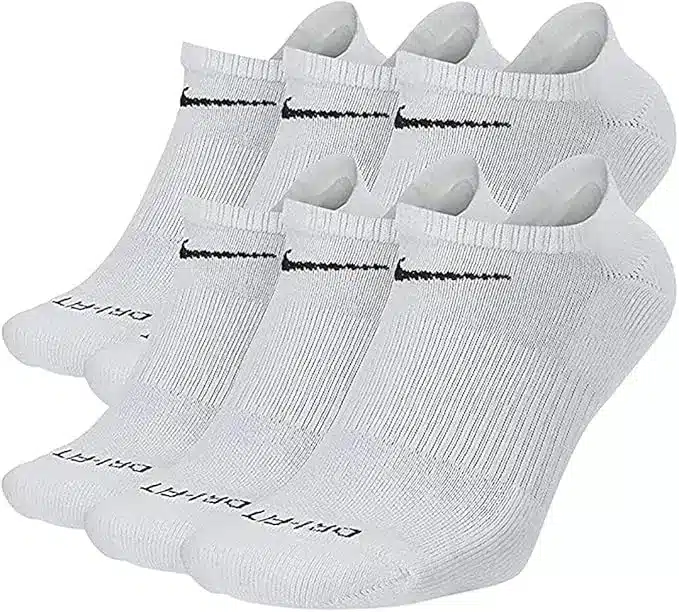
Nike’s no-show socks excel specifically with athletic shoes and sneakers. The band across the arch provides excellent security during movement, and the silicone heel strips prevent slipping even during running or gym workouts.
The moisture-wicking is exceptional, making these ideal for sweaty activities. The mesh ventilation keeps feet cooler than solid fabric alternatives. These work particularly well with Nike shoes but function great with any athletic footwear.
However, the athletic cut sits slightly higher than ultra-low options, making these less suitable for loafers or boat shoes. For sneakers and running shoes, they’re among the best available.
3. ONDO Merino Wool No Show Socks (Best for Sneakers)
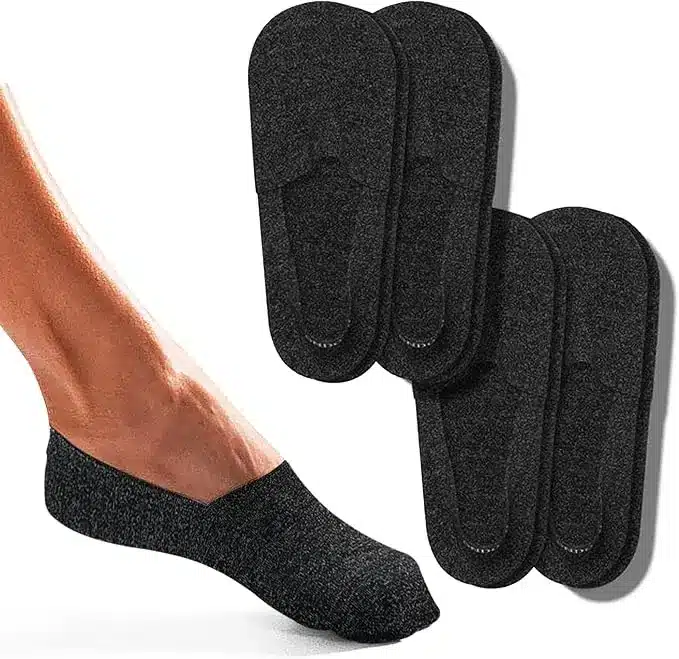
ONDO designed these specifically for their own sneakers, but they work excellently with most casual sneaker styles. The deep heel cup and silicone grip create reliable staying power.
The Merino Wool feels comfortable for all-day wear without the plasticky sensation of full synthetic socks. These strike a nice balance between performance and comfort for casual sneaker use.
The cut works perfectly with low-top ONDO, Converse, and similar casual sneakers. However, they’re not ideal for dress shoes or ultra minimal footwear.
4. Sheec SoleHugger Secret No Show (Best for Flats and Loafers)

For women’s flats and men’s loafers, Sheec offers the lowest cut we’ve tested that actually stays on. The ultra low profile disappears completely even in very low collar shoes.
The silicone heel and toe grips provide security from multiple anchor points. This dual grip system compensates for the minimal fabric coverage. The socks feel almost slipper-like but provide adequate sweat absorption and friction protection.
These work brilliantly with ballet flats, loafers, and boat shoes. However, the ultra-low cut means less overall protection, so they’re not ideal for high-friction activities.
5. Darn Tough Topless Solid No Show Hidden Lightweight (Best Durability)

Darn Tough brings its legendary durability to no-show socks. The lifetime guarantee reflects their confidence that these socks will outlast competitors significantly.
The merino wool blend provides natural moisture-wicking and odor resistance superior to synthetic alternatives. The heel tab makes putting them on easier than tablet designs. These work well with both athletic and casual shoes.
The higher price point is justified by exceptional longevity. If you wear no-show socks daily, these represent better llong-term valuethan cheaper options requiring frequent replacement.
For more information on merino wool sock benefits, check our guide on the best wool socks.
6. Adidas Superlite No Show Socks (Best Value for Athletes)

Adidas offers excellent performance at mid-range pricing. The Climacool ventilation and moisture-wicking work well for athletic activities. The silicone heel grip is adequate for running and gym work.
These come in multi-packs, making them economical for people who need multiple pairs. The quality isn’t quite premium tier, but it significantly exceeds budget brands.
The fit works well with most athletic shoes. However, the arch compression can feel too tight for some people during extended wear.
7. Puma Men’s Low Cut No Show Socks (Best for Men’s Athletic Shoes)

Puma’sno-show socks feature excellent arch support along with standard heel grip. This arch support helps during long periods of standing or walking, making it ideal for people who are on their feet all day.
The moisture-wicking handles heavy sweat well. The ventilation zones keep feet cooler during intense activity. These work particularly well with running shoes and cross trainers.
The sizing runs true for most people. However, individuals with very narrow or very wide feet might find the fit imperfect.
8. ASICS Cushion Low Cut Socks (Best Cushioning)

For people who want no-show socks with extra padding, ASICS delivers. The strategic cushioning at the heel and forefoot provides shock absorption without bulk.
This cushioning makes these excellent for running and high-impact activities. The moisture management is strong, and the heel grip prevents slipping even during long runs.
However, the cushioning makes these slightly thicker than minimal no-show socks. They work best with athletic shoes that have room for slightly bulkier socks.
9. Under Armour Essential No Show Socks (Best Moisture Control)

Under Armour’s HeatGear fabric excels at moisture wicking. These keep feet drier than most alternatives during sweaty activities. The anti-odor treatment helps manage smell even after long wear.
The silicone heel grip is reliable. The arch support provides good security. These work well for athletic activities and all-day wear in warm conditions.
The fit is snug, which some people love for security, but others find it too tight. Consider sizing up if you prefer looser socks.
10. Balega Hidden Comfort No Show Socks (Best for Running)
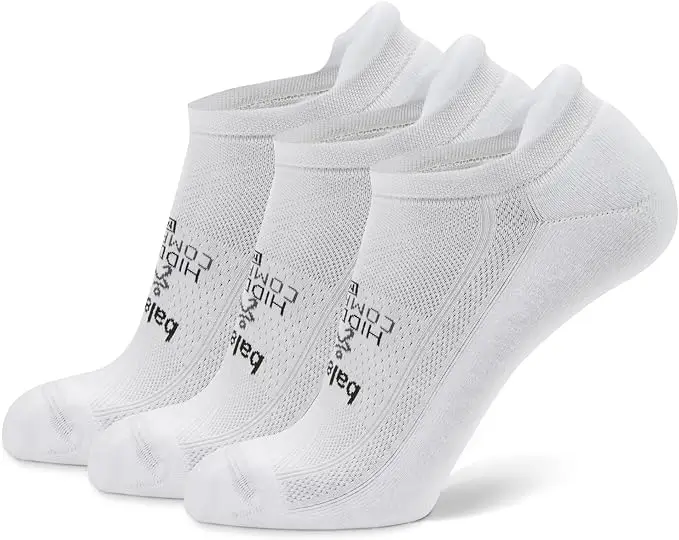
Balega brings running-specific engineering to no-show socks. The deep heel pocket, extra cushioning, and moisture-wicking make these ideal for runners who want the no-show aesthetic.
The seamless toe prevents blisters during long runs. The hand-linked toe seam is superior to cheaper construction methods. These represent premium quality at a corresponding price point.
Runners consistently rate these highly for comfort and performance. However, for casual wear, the running-specific features might be overkill.
11. Feetures Max Cushion No Show (Best for Sensitive Feet)
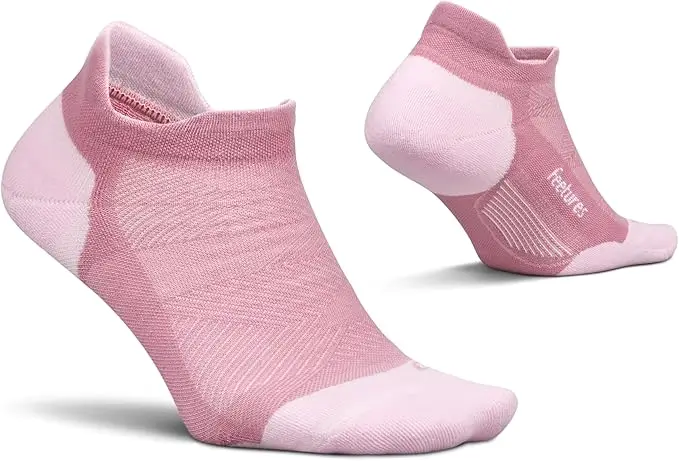
Feetures uses targeted compression instead of uniform tightness, creating a custom-like fit that works well for people with sensitive feet. The anatomical left/right design provides a better overall fit than universal socks.
The iWick fibers handle moisture exceptionally well. The seamless toe eliminates a common irritation point. These work great for people who’ve had problems with other no-show socks causing discomfort.
The price is premium but justified for people with fit sensitivities. These are worth trying if other brands have caused irritation or discomfort.
12. Thorlos Experia Fierce Micro Mini Crew (Best for High Arches)
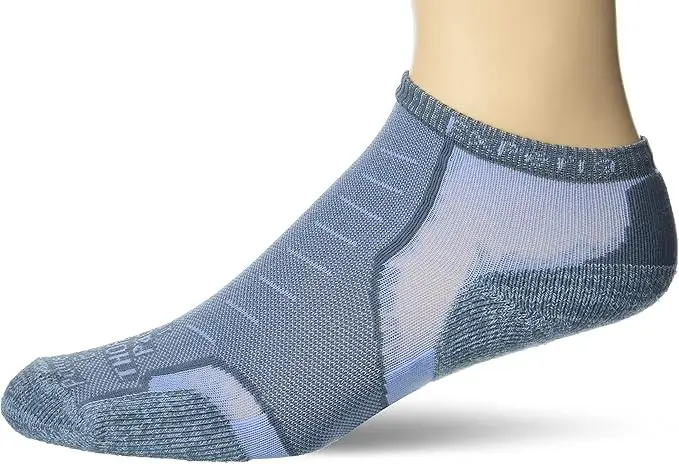
People with high arches often struggle to find no-show socks that stay up. Thorlos addresses this with extra arch support that helps anchor socks on higher arch feet.
The padding provides cushioning without excessive bulk. The moisture-wicking works well for athletic activities. These represent a specialized solution for a common problem.
However, the arch support can feel too aggressive for people with normal or low arches. These are specifically designed for high arch feet.
13. Dickies Dri Tech No Show Socks (Best Budget Option)

For people wanting functional no-show socks without premium pricing, Dickies delivers surprising quality. The moisture-wicking works adequately. The heel grip isn’t premium level, but it functions acceptably for casual use.
These come in affordable multi-packs, making them economical for building a no-show sock rotation. The durability is decent, though not exceptional.
These work fine for casual sneaker wear and everyday use. For serious athletic activities, premium brands perform better, but for general purposes, these provide good value.
14. Stance Gamut 2 No Show Socks (Best Style Options)

Stance brings their signature bold patterns to no-show socks for people who want some personality even in barely visible socks. The quality is solid with good heel grip and comfortable fabric.
The fun designs appeal to people tired of plain, no-show socks. The performance features match quality mainstream brands. These work well with casual sneakers where a bit of sock might occasionally show.
However, for true invisibility with dress shoes, plainer options are more appropriate. These are for casual contexts where style matters.
15. Gold Toe Men’s and Women’s No Show Socks (Best for Dress Shoes)
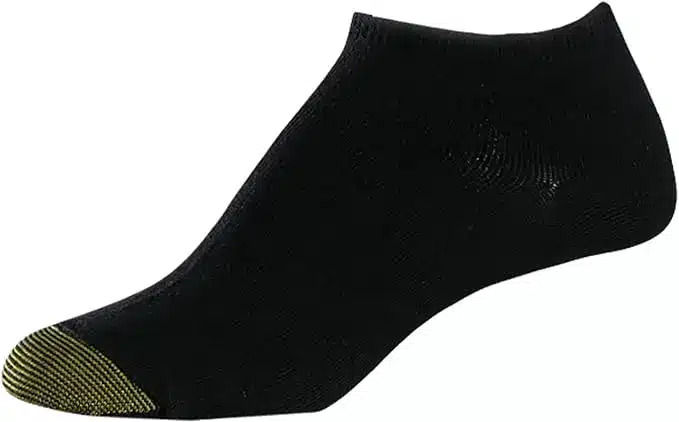
Gold Toe specializes in dress socks and brings that expertise to no-show options. These work excellently with dress shoes, loafers, and professional footwear.
The cut is appropriate for lower collar dress shoes. The material is dressy rather than athletic. The heel grip keeps them in place during professional activities without an athletic sock appearance.
These are specifically designed for dress and casual dress shoes rather than athletic footwear. For professional contexts, they excel.
Best No Show Socks Comparison Table
Here’s a comprehensive comparison to help you quickly identify the right no-show socks for your needs:
| Sock Brand | Best For | Heel Grip Quality | Material Type | Price Range | Cut Style | Durability | Our Rating |
|---|---|---|---|---|---|---|---|
| Bombas Ankle | Overall best choice | Excellent silicone strips | Moisture wicking blend | 49 to 53 dollars | Medium cut for sneakers | 5 of 5 | 9.5 of 10 |
| Nike Everyday Plus | Athletic activities | Very good silicone | Performance synthetic | 30 to 33 dollars | Athletic cut | 4 of 5 | 9.0 of 10 |
| ONDO Classic Super | Casual sneakers | Good silicone | Merino wool | 60 to 63 dollars | Sneaker specific | 4 of 5 | 8.8 of 10 |
| Sheec SoleHugger | Flats and loafers | Dual grip heel and toe | Thin synthetic | 77 to 80 dollars | Ultra low cut | 4 of 5 | 9.0 of 10 |
| Darn Tough Topless | Maximum durability | Excellent with heel tab | Merino wool blend | 18 to 22 dollars | Universal fit | 5 of 5 | 9.2 of 10 |
| Adidas Superlite | Athletic value | Good silicone | Synthetic moisture wicking | 15 to 17 dollars | Athletic cut | 3 of 5 | 8.5 of 10 |
| Puma Low Cut | Men’s athletic | Very good with arch support | Performance blend | 18 to 20 dollars per pair | Men’s athletic | 4 of 5 | 8.7 of 10 |
| ASICS Cushion | Running and impact | Good silicone | Cushioned synthetic | 10 to 15 dollars | Athletic with padding | 4 of 5 | 8.8 of 10 |
| Under Armour Essential | Moisture control | Good silicone | HeatGear fabric | 18 to 20 dollars | Snug athletic | 4 of 5 | 8.6 of 10 |
| Balega Hidden Comfort | Running specific | Excellent deep pocket | Running blend | 35 to 38 dollars | Runner’s cut | 5 of 5 | 9.1 of 10 |
| Feetures Elite | Sensitive feet | Excellent anatomical | iWick moisture fibers | 18 to 20 dollars | Left right specific | 4 of 5 | 8.9 of 10 |
| Thorlos Experia | High arches | Very good with arch band | Padded performance | 15 to 18 dollars | High arch design | 4 of 5 | 8.4 of 10 |
| Dickies Dri Tech | Budget friendly | Fair basic grip | Basic synthetic | 8 to 10 dollars | Universal | 3 of 5 | 7.5 of 10 |
| Stance Gamut 2 | Style and patterns | Good silicone | Comfortable blend | 28 to 30 dollars | Fashion sneaker | 3 of 5 | 8.2 of 10 |
| Gold Toe | Dress shoes | Good low profile | Dress sock blend | 20 to 22 dollars | Ultra low for dress | 4 of 5 | 4 of 5 |
How to Choose the Best No-Show Socks for Your Needs
With so many options for no-show socks, here’s how to narrow down the best choice for your specific situation.
Match Socks to Your Primary Shoe Type
Start by identifying what shoes you’ll wear no-show socks with most frequently. This determines the cut and style you need.
For athletic shoes and sneakers, choose medium cut no-show socks with good heel grip and moisture-wicking. Brands like Nike, Bombas, and Adidas excel here. The slightly higher cut won’t show in athletic shoes and provides better overall protection.
For loafers and boat shoes, select ultra-low cut options specifically designed for low-collar shoes. Sheec and Gold Toe make excellent choices. The minimal coverage stays hidden even in very low shoes.
For women’s flats, choose the absolute lowest cut available with dual grip technology. The lack of a shoe structure means you need every grip feature possible to keep socks in place.
For dress shoes, prioritize sleek, low-profile socks in neutral colors with dressy materials rather than athletic features. Gold Toe and similar dress sock brands work better than athletic brands.
Don’t try to use one style for all shoe types. Having two or three pairs designed for your different shoe categories works better than hoping one style does everything.
Consider Your Activity Level
Think about what you’ll be doing while wearing no-show socks. This affects which features matter most.
For athletic activities (running, gym, sports), prioritize moisture-wicking, secure heel grip, and durability. Athletic brands like Nike, Adidas, and Balega understand these needs and engineer accordingly.
For all-day standing or walking, choose socks with good cushioning and arch support. ASICS and Thorlos excel here. The extra padding reduces foot fatigue during extended wear.
For casual everyday wear, focus on comfort and basic functionality. Mid-range options like ONDO or Dickies provide adequate performance without athletic engineering you don’t need.
For professional environments, prioritize sleek appearance and odor control. You need socks that look professional if they become visible and don’t create odor during long office days.
Assess Your Foot Characteristics
Personal foot characteristics affect which no-show socks work best for you. Consider your specific foot shape and issues.
For high arches, standard no-show socks often slip because they can’t conform to your arch curve. Choose brands like Thorlos that specifically address high arches with extra support.
For wide feet, many no-show socks feel too tight. Look for brands offering wide sizes or known for a generous fit. Bombas and Darn Tough tend to accommodate wider feet better than narrow athletic brands.
For sweaty feet, moisture-wicking becomes critical. Under Armour, Balega, and other performance brands excel at moisture management. Avoid cotton-heavy blends that retain dampness.
For sensitive skin, prioritize seamless construction and soft materials. Feetures and Bombas use gentler materials and avoid irritating seams that cause problems for sensitive feet.
Read Reviews From People With Your Shoe Type
No-show sock reviews can be misleading if reviewers use different shoes than you plan to. A sock that works perfectly in running shoes might fail in loafers.
When reading reviews, filter for people using the same shoe types you wear. If you need no-show socks for boat shoes, prioritize reviews from other boat shoe wearers rather than runners.
Look for specific mentions of heel grip effectiveness, visibility above the shoe collar, comfort during long wear, and durability after washing. These practical details matter more than generic praise.
Be skeptical of reviews that don’t mention shoe type or activity level. A five-star review without context doesn’t tell you whether socks will work for your specific needs.
Common Mistakes When Choosing No-Show Socks
People make predictable errors when buying no-show socks. Avoid these pitfalls for better results.
Mistake #1: Choosing Based on Price Alone
The cheapest no-show socks rarely work well. The engineering required to make socks stay hidden while staying on your feet costs money to implement properly.
Ultra cheap multi packs (like 6 pairs for 10 dollars) use minimal heel grip, poor elastic, and cheap materials. These socks slip constantly, wear out quickly, and end up abandoned after frustrating experiences.
Meanwhile, the most expensive socks aren’t always necessary either. Many mid-range brands offer excellent performance without premium pricing. Find the quality tier that matches your needs rather than defaulting to the cheapest or most expensive.
Test one pair before buying in bulk. If budget socks work fine for your casual use, great. But don’t stock up on cheap socks, assuming they’ll work,k only to discover they’re unwearable.
Mistake #2: Ignoring Shoe Specific Cuts
Using athletic cut no-show socks with dress loafers or using ultra-low socks with high-top sneakers creates problems. Shoe type determines the required sock cut.
Athletic no-show socks sit higher because athletic shoes have higher collars. This same cut becomes visible in loafers and looks awkward. Similarly, ultra-low socks designed for flats don’t provide adequate coverage in athletic shoes.
Check product descriptions for intended shoe types. Brands usually specify whether socks are designed for athletic shoes, casual sneakers, loafers, flats, or dress shoes. Match the sock to your primary shoe type.
If you wear multiple shoe types regularly, own different no-show sock styles rather than trying to force one style to work with everything.
Mistake #3: Expecting Cotton to Wick Moisture
Many people prefer cotton socks for comfort and buy cotton no-show socks expecting them to handle sweat. However, cotton absorbs moisture but doesn’t wick it away from skin.
In regular socks, this isn’t a huge problem. In minimal coverage, absorbed moisture creates slipping, odor, and discomfort. The dampness reduces heel grip effectiveness and makes socks slide around.
For activities involving any perspiration, choose synthetic blends or merino wool. These materials wick moisture away from skin and dry faster. Cotton works fine for air-conditioned indoor use with minimal activity.
Check the material content before buying. If socks are primarily cotton, they’re not appropriate for athletic use or all-day wear in warm conditions.
Mistake #4: Not Checking Return Policies
No-show socks are tricky to fit correctly without trying them. Sizing varies between brands, and what works for one person might not work for another, even in the same size.
Buy from retailers with good return policies so you can exchange socks that don’t fit correctly. Many brands offer satisfaction guarantees specifically because they know fit is personal.
Keep packaging and receipts until you’ve tested socks for a full day. If they slip constantly or feel uncomfortable, return them rather than keeping unwearable socks.
Some people need to try two or three brands before finding no-show socks that work perfectly. This is normal given the minimal coverage and engineering involved.
Mistake #5: Wearing Worn-Out Socks
No-show socks don’t last forever. The silicone heel grip degrades over time, the elastic loses tension, and the heel cups lose their shape. Continuing to wear worn-out no-show socks creates the slipping problems people associate with cheap socks.
Replace no-show socks when they start slipping more frequently, when the heel grip feels less effective, when the elastic becomes loose, or when holes or excessive wear appear.
Most quality no-show socks last three to six months with regular wear. Mark purchase dates and plan replacement before the socks completely fail. Wearing almost worn-out socks is frustrating when fresh socks would solve the problem.
Mistake #6: Putting Socks On Incorrectly
No-show socks require more careful application than regular socks because the minimal coverage means small positioning errors cause problems.
Turn socks slightly inside out, position the heel cup against your heel precisely, then pull the sock over your foot in one smooth motion. Don’t yank or stretch excessively.
Make sure the heel cup sits properly in your heel before putting on shoes. A poorly positioned heel cup guarantees slipping regardless of how good the sock design is.
Take the extra 10 seconds to apply no-show socks correctly rather than rushing and creating fit problems that annoy you all day.
Taking Care of Your No-Show Socks
Proper care extends the life and effectiveness of no-show socks. Follow these guidelines to maximize your investment.
Washing and Drying
Wash no-show socks after every wear. The minimal fabric coverage means sweat and oils are concentrated in small areas, so daily washing is essential for hygiene and maintaining grip effectiveness.
Turn socks inside out before washing. This protects the silicone heel grip from abrasion during washing. Additionally, it ensures the interior gets thoroughly cleaned.
Use cold water and a gentle cycle. Hot water and aggressive agitation can damage the silicone grip and degrade the elastic faster. Gentle washing preserves sock structure better.
Air dry when possible. Heat from dryers breaks down silicone and elastic. Hang or lay flat to dry. If you must machine dry, use the lowest heat setting.
Avoid fabric softener. It can coat the silicone grip and reduce effectiveness. Fabric softener also reduces moisture wicking in performance fabrics.
Storage and Organization
Store no-show socks flat or loosely paired rather than tightly balled. Tight rolling stresses the elastic and can deform heel cups over time.
Keep no-show socks separate from other socks so you don’t have to dig through piles looking for matching pairs. Many people dedicate a specific drawer section just for no-show socks.
Pair socks after washing so you’re not searching for mates when getting dressed. Some people clip pairs together with small clips or fold pairs together loosely.
Consider labeling or organizing by shoe type if you own multiple no-show sock styles. Group athletic socks together, dress socks together, etc.
Inspection and Replacement
Regularly inspect no-show socks for signs that they need replacement. Check the heel grip by feeling if it’s still tacky or if it’s become smooth and ineffective. A worn grip loses its grip properties.
Test the elasticity by stretching and releasing. If socks don’t spring back snugly, the elastic has degraded. Loose elastic causes slipping.
Examine heel cups for shape retention. The cup should still have visible three-dimensional shaping. Flattened heel cups don’t grip feet properly.
Replace socks showing any of these signs, even if they don’t have visible holes. Worn out no show socks frustrate you during wear, and replacement pairs make an immediate difference.
No Show Socks for Men vs Women: Key Differences
While no-show sock technology is similar for both genders, some design differences exist that affect purchasing decisions.
Sizing and Fit Differences
Men’s no-show socks typically accommodate larger feet and different proportions. The heel cup is often larger and positioned slightly differently to match typical male foot anatomy.
Women’s no-show socks feature smaller heel cups and are cut to match generally smaller, narrower feet. The heel-to-toe proportions differ slightly from men’s socks.
However, these differences aren’t absolute. Women with larger feet often prefer men’s no-show socks for a better fit, and men with smaller feet sometimes find women’s sizing works better.
Don’t automatically buy based on marketing labels. Check actual size charts and measurements. If you’re between sizes or have feet characteristics that don’t match gender averages, try both men’s and women’s options.
Style and Color Options
Women’s no-show socks typically offer more color and pattern variety. Brands market fashion options more heavily to women, including fun patterns, bright colors, and style-forward designs.
Men’s no-show socks focus more heavily on basic colors (black, white, gray, navy) with fewer decorative options. The assumption is that men prefer function over fashion in socks.
However, these gender marketing approaches are becoming less rigid. Some brands offer identical technical features in both fashion and basic colorways across men’s and women’s lines.
Choose based on your personal preference rather than automatically accepting gender based marketing. If you want plain functional socks, buy those regardless of gender. If you want fun patterns, buy those.
Price Point Differences
Interestingly, women’s no-show socks sometimes cost more than equivalent men’s options from the same brand. This “pink tax” appears in no-show socks just as it does in other product categories.
Compare equivalent technical features across men’s and women’s lines. If a brand offers the same silicone grip and materials in both but charges more for women’s, consider buying men’s sizes that fit you.
However, true fit differences sometimes justify price variations. If women’s specific sizing works substantially better for your feet, the price difference might be worth paying for proper fit.
Your Action Plan: Finding Your Perfect No-Show Socks
Here’s your step-by-step guide to choosing and starting with no-show socks that actually work.
Step 1: Identify Your Primary Shoes
List the shoes you want to wear no-show socks with most frequently. Be specific: “Nike running shoes,” “brown leather loafers,” “ballet flats,” etc.
This list determines which cut and style of no-show socks you need. Different shoes require different sock designs.
Step 2: Determine Your Must-Have Features
Based on your shoes and activities, identify which features matter most. Do you need maximum moisture-wicking for athletic use? Ultra low cut for very low shoes? Extra cushioning for all-day standing?
Prioritize your top three features rather than trying to find the perfect socks in every way. This helps narrow your options to realistic choices.
Step 3: Set Your Budget
Decide how much you’re willing to invest per pair. Remember, you’ll likely need at least three to four pairs to have clean socks available regularly.
Your budget determines whether you’re looking at budget, mid-range, or premium options. All three tiers can work, but set realistic expectations based on your investment.
Step 4: Choose Your First Pair
Based on recommendations in this guide, select one pair that matches your shoes, features, and budget. For most people, starting with no-show socks, Bombas, or Nike provide excellent first experience.
Buy from retailers with good return policies so you can exchange if sizing isn’t right. Keep packaging until you’ve tested socks.
Step 5: Test Thoroughly
Wear your first pair for a full day of typical activity. Pay attention to whether they stay in place, remain comfortable, stay hidden above your shoes, and meet your specific needs.
Note what works well and what doesn’t. This information helps you decide whether to buy more of the same or try different options.
Step 6: Build Your Collection
If the first pair works great, buy three more of the same style. Having four pairs ensures you always have cleanno-showw socks available.
If the first pair had issues, identify specifically what was wrong and choose a different brand addressing that problem. Sometimes you need to try two or three options before finding your perfect no-show socks.
For comprehensive guidance on different sock types and when to use them, check our detailed comparison of crew socks and other sock lengths.
Final Thoughts on Finding the Best No-Show Socks
The best no-show socks transform how you wear shoes by providing the benefits of socks (sweat absorption, friction protection, odor control) without the visible bulk of traditional socks. However, this magic only works when no-show socks actually stay on your feet and remain hidden above your shoes.
Cheap no-show socks fail at these basic requirements. They slip constantly, become visible above shoes, or feel so uncomfortable that you abandon them quickly. Quality no-show socks use silicone heel grips, proper heel cup construction, strategic elastic placement, and appropriate materials to succeed where cheap versions fail.
The investment in quality no-show socks pays dividends through improved daily comfort and the clean aesthetic that makes shoes look their best. Most people who try quality no-show socks after struggling with cheap ones wonder why they didn’t upgrade sooner.
Match your no-show socks to your specific shoes and activities. Athletic socks for athletic shoes, ultra low cut for loafers and flats, dressy options for professional footwear. Don’t try to make one style work for everything because you’ll end up with socks that work poorly for most uses.
If you found this guide helpful, explore our other comprehensive sock resources on best ankle socks, moisture-wicking socks, running socks, and non-slip socks to find exactly what your feet need for every situation.
Meanwhile, remember that finding perfect no-show socks sometimes requires trying a couple of brands. Don’t get discouraged if your first pair doesn’t work perfectly. The right no-show socks exist for your feet and shoes. Keep trying until you find them.