

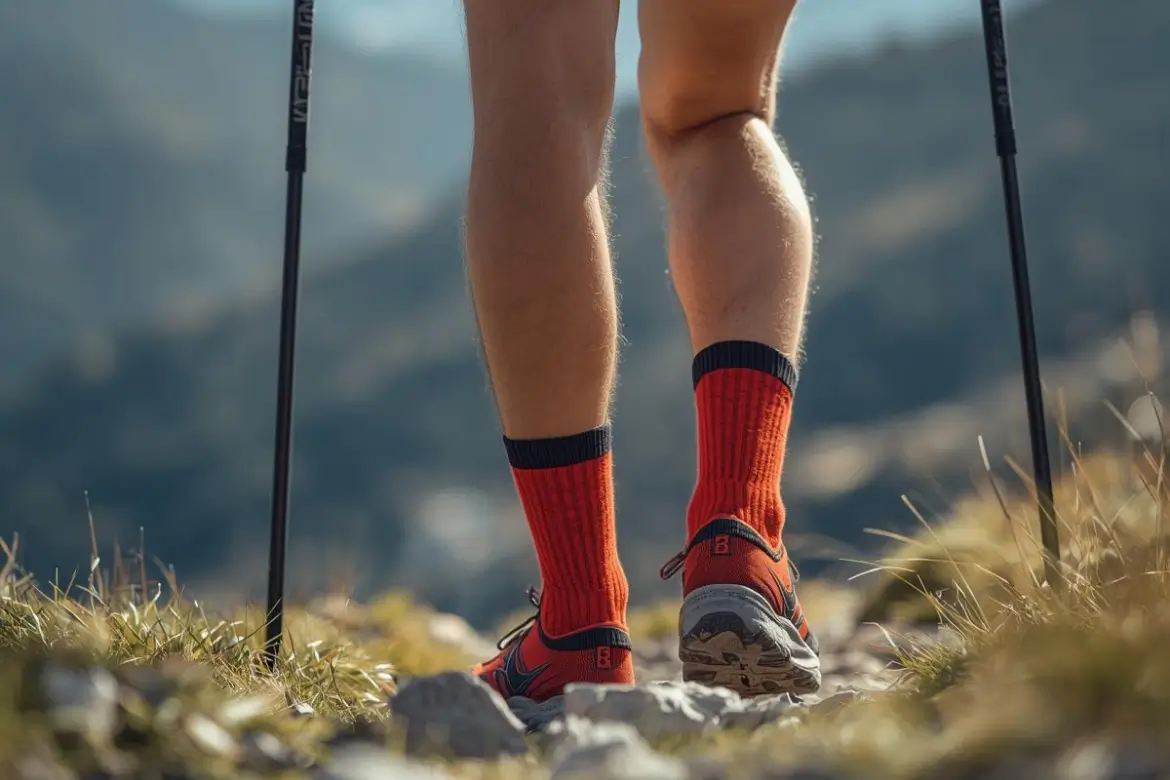
If you’ve ever hit the trail with the wrong socks, you already know: hiking socks matter more than most people think. Regular cotton socks simply can’t handle miles of sweat, friction, temperature swings, and rugged terrain. They get soaked, they stay wet, and they rub your skin raw. Unfortunately, I learned this the hard way. Years ago, I took a summer hike wearing cheap, no-name socks. After only six miles, a painful blister began forming on my heel. By mile ten, every step felt like someone was pressing a hot coin against my foot. That one mistake turned a beautiful trail day into a slow, miserable limp back to the car.
However, everything changed once I discovered proper hiking socks. With the right materials, cushioning, and fit, good hiking socks prevent friction, regulate temperature, wick moisture, and keep your feet comfortable hour after hour. They’re not just accessories — they’re essential gear.
So what makes hiking socks different? First, they use high-performance materials like merino wool, which naturally wicks moisture, resists odor, and regulates temperature. Secondly, they include strategic cushioning, especially around the heel, toe, and underfoot. Additionally, they have seamless toes, reinforced construction, and heights that match hiking boots.
In this guide, you’ll find trail-tested picks for every type of hiker. We cover lightweight summer socks, heavyweight winter models, merino options, synthetic blends, budget picks, compression choices, and more. For hikers looking for more merino options, you can also check our best wool socks guide and our dedicated best merino wool socks article.
Let’s dive into the 15 best hiking socks in 2026, all available on Amazon and tested on real trails.
QUICK ANSWER BOX
What makes hiking socks different?
Hiking socks use merino wool, strategic cushioning, moisture-wicking fibers, seamless toes, and specific height options designed for hiking boots and rugged terrain. As a result, they reduce blisters, improve comfort, and regulate temperature better than regular cotton socks.
Top 5 Picks (Quick List):
- Best Overall: Darn Tough Hiker Micro Crew Cushion
- Best Lightweight: Smartwool Performance Hike Light Cushion
- Best Heavyweight: Wigwam Comfort Hiker Heavyweight
- Best Budget: Innotree Wool Hiking Socks (3-pack)
- Best for Backpacking: Farm to Feet Damascus Crew
TOP 15 HIKING SOCKS
Below are the best hiking socks in 2026, broken down by weight, material, height, and specialty. Each one includes real Amazon-available products.
BY WEIGHT / SEASON
1. Best Overall Hiking Socks: Darn Tough Hiker Micro Crew Cushion
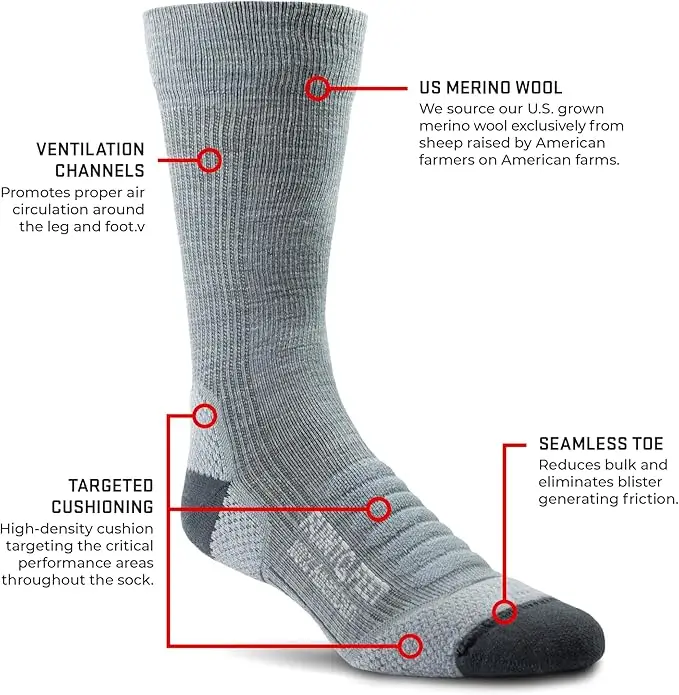
Weight: Midweight
Material: 61% merino wool, 7% nylon, 2% Lycra
Height: Micro crew (above ankle)
Best For: All hiking, backpacking, 3-season trails
Pros:
- Legendary durability
- Lifetime warranty
- Perfect balance of cushion + breathability
- Odor resistant
Cons:
- Higher price
- Snug fit may feel tight for some
Price: $25–30
Trail-Tested Take: These performed flawlessly on rocky terrain and steep climbs. They stay dry, don’t slip, and feel comfortable across long mileage.
2. Best Lightweight (Summer): Smartwool Performance Hike Light Cushion
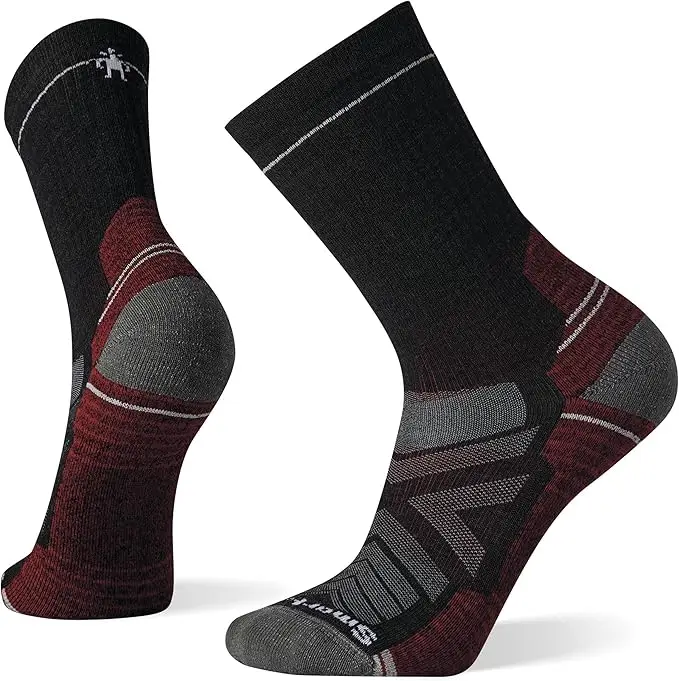
Weight: Lightweight
Material: 56% merino wool blend
Height: Crew or ankle
Best For: Summer day hikes, warm weather
Pros:
- Thin and breathable
- Seamless toe
- Excellent moisture control
- Soft merino feel
Cons:
- Less cushioning
- Not ideal for cold weather
Price: $20–25
Trail-Tested Take: Breathable yet supportive, they shine in heat and humidity. They pair perfectly with trail runners.
3. Best Midweight (3-Season): Farm to Feet Damascus Midweight Crew
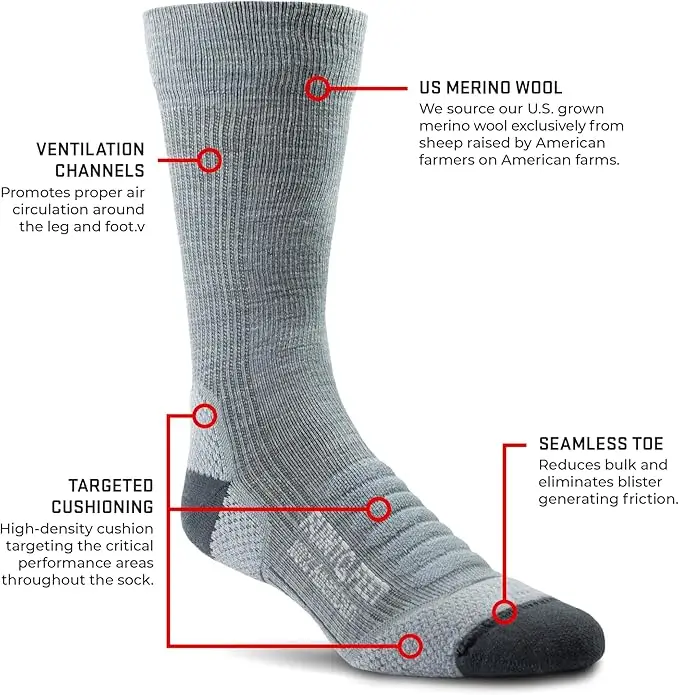
Weight: Midweight
Material: 57% merino wool
Height: Crew
Best For: Spring–fall hiking, backpacking
Pros:
- Compression zones
- USA-made quality
- Breathable yet warm
- Excellent durability
Cons:
- Slightly stiff at first
- Pricier than budget socks
Price: $25–28
Trail-Tested Take: A favorite among thru-hikers. The blend of cushioning and breathability makes this ideal for mixed terrain.
4. Best Heavyweight (Winter): Wigwam Comfort Hiker Heavyweight
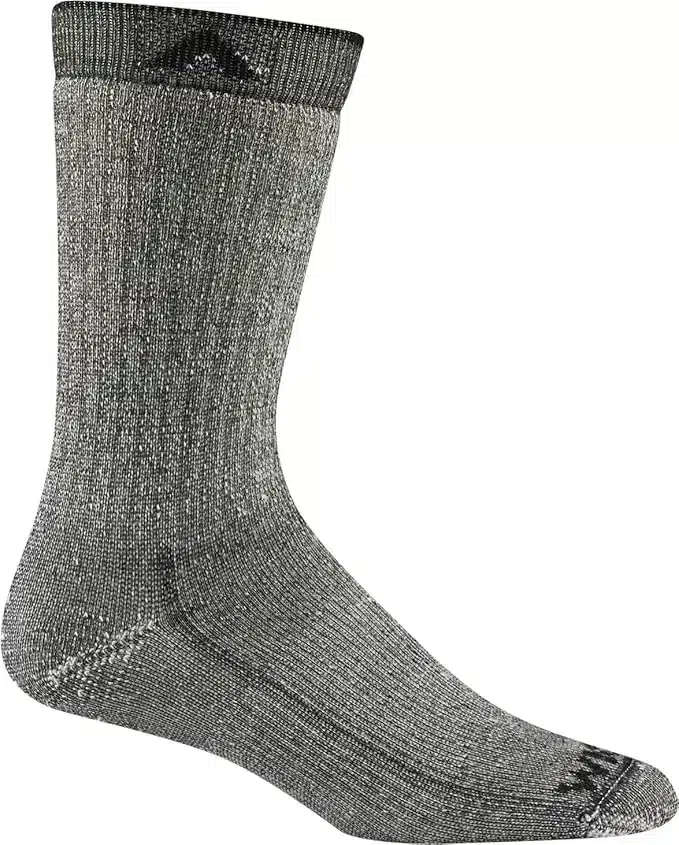
Weight: Heavyweight
Material: 67% wool blend
Height: Crew
Best For: Winter trails, mountaineering, snow conditions
Pros:
- Super warm
- Thick cushioning
- Great price for heavy wool
- Long-lasting
Cons:
- Too warm for mild weather
- Bulkier in tight boots
Price: $18–22
Trail-Tested Take: Excellent insulation and comfort. They kept my feet warm on a 15°F snowy ridge hike.
5. Best Ultralight (Minimalist): Injinji Trail Midweight Mini-Crew Wool
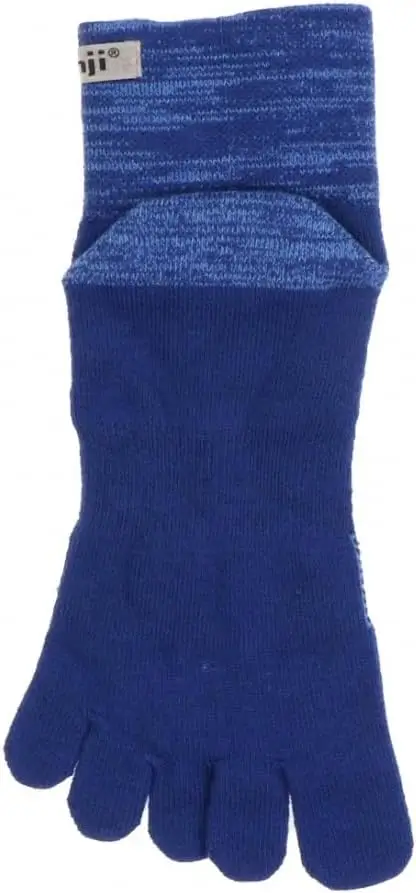
Weight: Ultralight-to-light
Material: Merino wool blend
Height: Mini-crew
Best For: Minimalist hikers, toe blister prevention
Pros:
- Toe-sleeve design prevents friction
- Breathable
- Fast-drying
- Good for trail runners
Cons:
- Unique feel isn’t for everyone
- Less durable over long distances
Price: $20–25
Trail-Tested Take: Ideal for runners and minimalists. Toe separation reduces blister hotspots significantly.
6. Best Cushioned (Rocky Trails): Thorlos Trekking Heavy Cushion Crew
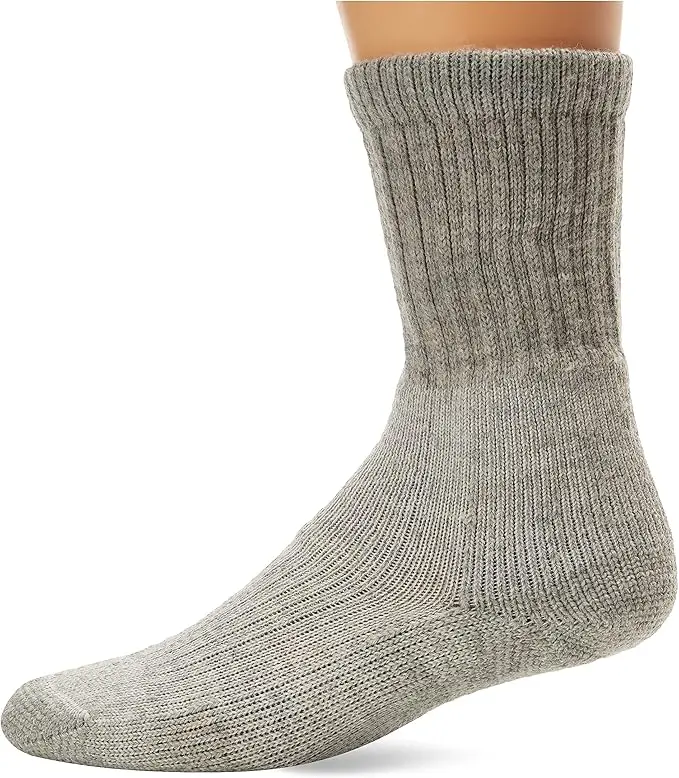
Weight: Heavyweight
Material: 70% merino wool
Height: Crew
Best For: Rocky terrain, long mileage, heavy boots
Pros:
- Thick, plush cushioning
- Warm and comfortable
- Anti-blister performance
- Long-lasting
Cons:
- Too warm for summer
- Bulk may affect boot fit
Price: $20–25
Trail-Tested Take: Feels like pillows under your feet, perfect for rugged, rocky trails and long backpacking days.BY MATERIAL
7. Best Merino Wool Hiking Socks: Icebreaker Hike+ Medium Crew
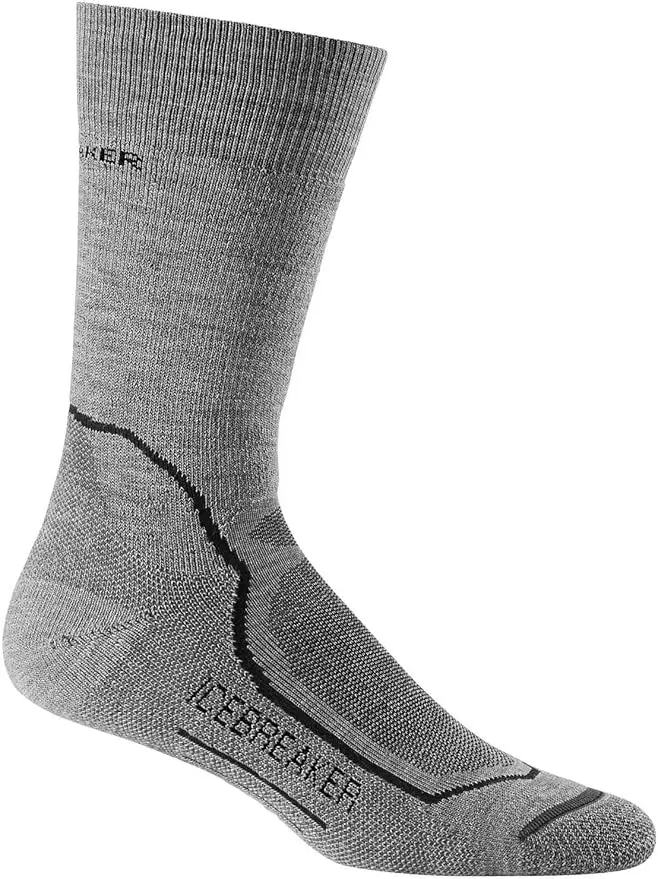
Weight: Midweight
Material: 65% merino wool
Height: Crew
Best For: Multi-day trips, cold mornings
Pros:
- Excellent temperature regulation
- Very soft feel
- Odor resistant
- Perfect fit with anatomical design
Cons:
- Pricey
- Slower drying
Price: $28–32
Trail-Tested Take: Among the softest merino options. Great for backpacking. For more merino picks, check our best wool socks guide.
8. Best Synthetic Hiking Socks: Balega Blister Resist No-Show

Weight: Lightweight
Material: Drynamix synthetic blend
Height: No-show/ankle
Best For: Fast hiking, hot conditions
Pros:
- Ultra-fast-drying
- Smooth, blister-free fit
- Stretchy and supportive
- Excellent for trail running
Cons:
- Minimal warmth
- Retains odor sooner
Price: $15–18
Trail-Tested Take: A top synthetic pick for wet climates. For running overlap, see our best running socks guide.
9. Best Wool Blend (Durable Value): Danish Endurance Merino Wool Hiking Socks
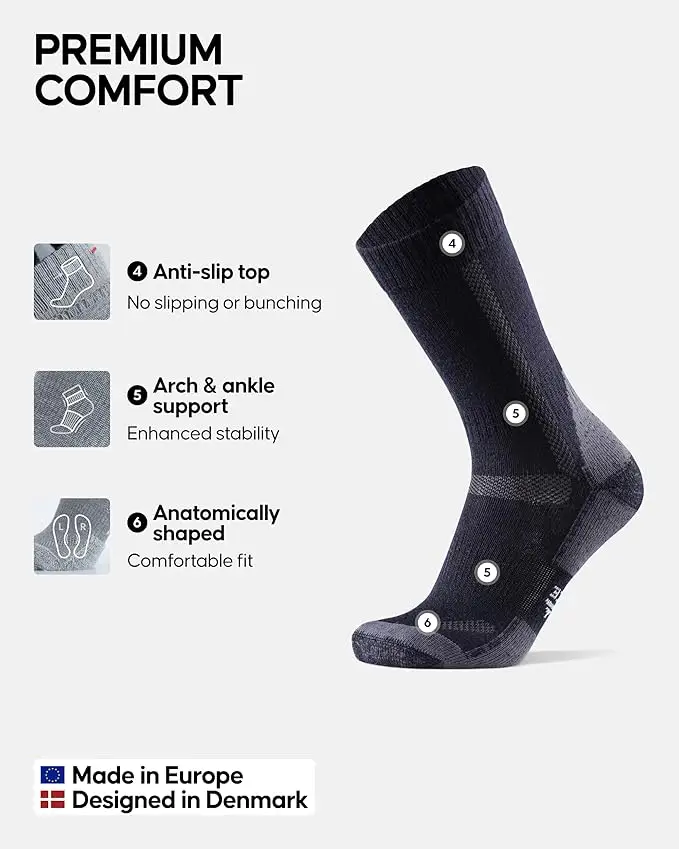
Weight: Midweight
Material: 30–35% merino wool blend
Height: Crew
Best For: Budget-friendly performance
Pros:
- Excellent value
- Breathable
- Good cushioning
- Durable blend
Cons:
- Lower wool content
- Not as soft as pure merino
Price: $20–25 (3-pack)
Trail-Tested Take: A great value. Comfortable, durable, and perfect for hikers who want quality without a premium price tag.
BY HEIGHT
10. Best Ankle Hiking Socks: Smartwool Hike Light Cushion Ankle
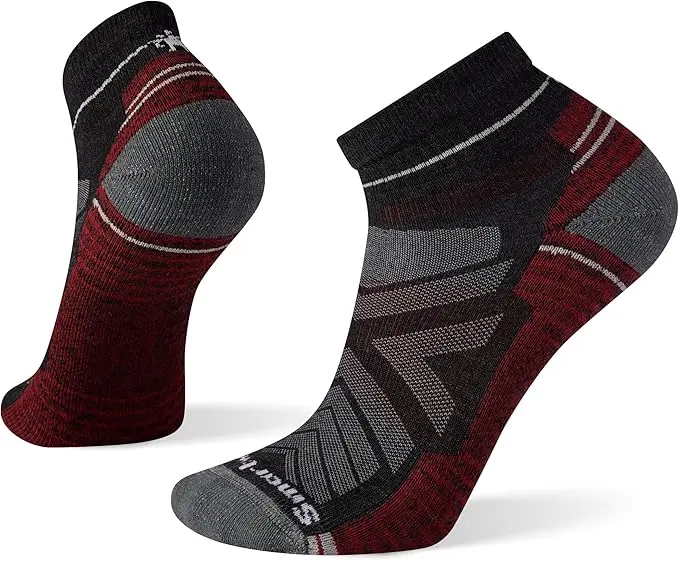
Weight: Lightweight
Material: 56% merino wool
Height: Ankle
Best For: Trail runners, low-cut hiking shoes
Pros:
- Breathable
- Seamless toe
- Soft and comfortable
- Great for summer
Cons:
- Limited protection
- Not ideal for debris-heavy terrain
Price: $18–22
Trail-Tested Take: Ideal for light summer hikes. For low-cut boots, these offer just the right blend of comfort and performance.
11. Best Crew Hiking Socks: Darn Tough Hiker Full Cushion Crew
Weight: Mid-to-heavy
Material: 66% merino wool
Height: Crew
Best For: Hiking boots, backpacking
Pros:
- Thick cushion
- Lifetime warranty
- Odor resistant
- Excellent durability
Cons:
- Warm for summer
- Higher price
Price: $28–32
Trail-Tested Take: The ultimate crew sock for boot hiking. For more height options, see our best crew socks guide.
12. Best Over-Calf Hiking Socks: Smartwool Mountaineering Extra Heavy Over-the-Calf
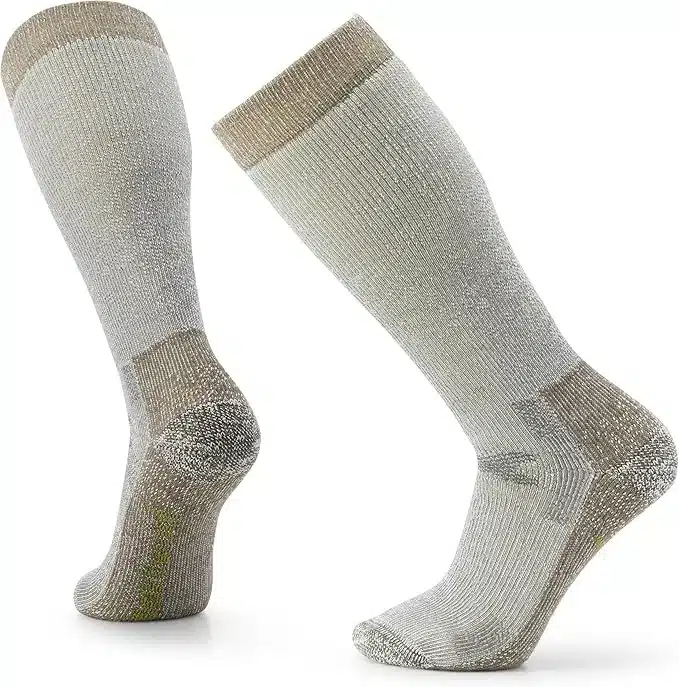
Weight: Heavyweight
Material: 74% merino wool
Height: Over-calf
Best For: Snow hiking, mountaineering
Pros:
- Maximum warmth
- Full cushioning
- Shin protection
- Excellent for tall boots
Cons:
- Very thick
- Too warm for most conditions
Price: $28–36
Trail-Tested Take: A beast in cold weather. Ideal for snow, winter trekking, and mountaineering. Also relevant to our best knee-high socks article
SPECIALTY
13. Best Hiking Socks for Women: Smartwool Women’s Hike Light Cushion Crew
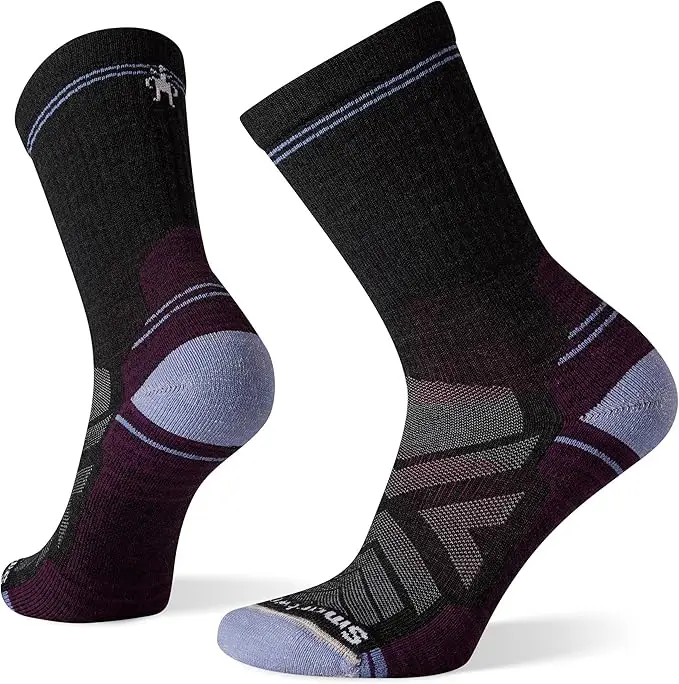
Weight: Lightweight
Material: 56% merino wool
Height: Crew
Best For: Women seeking all-day comfort
Pros:
- Women-specific fit
- Breathable
- Soft merino feel
- Great all-arounder
Cons:
- Light cushion only
- Slightly pricier
Price: $20–25
Trail-Tested Take: Perfect fit and comfort tailored for women’s foot shape.
14. Best Budget Hiking Socks: Innotree Wool Hiking Socks (3-Pack)
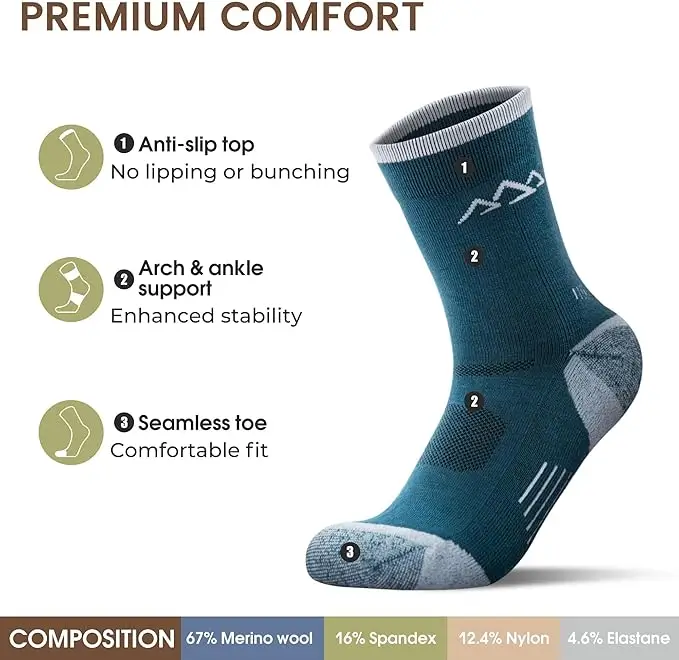
Weight: Midweight
Material: Wool blend
Height: Crew
Best For: Value shoppers, backup pairs
Pros:
- Extremely affordable
- Warm and comfortable
- Good cushioning
- Comes in multipack
Cons:
- Lower wool content
- Less durable long-term
Price: $16–20 (3-pack)
Trail-Tested Take: An unbeatable value. Perfect for new hikers or anyone needing spare pairs.
15. Best Compression Hiking Socks: CEP Hiking Merino Compression Socks
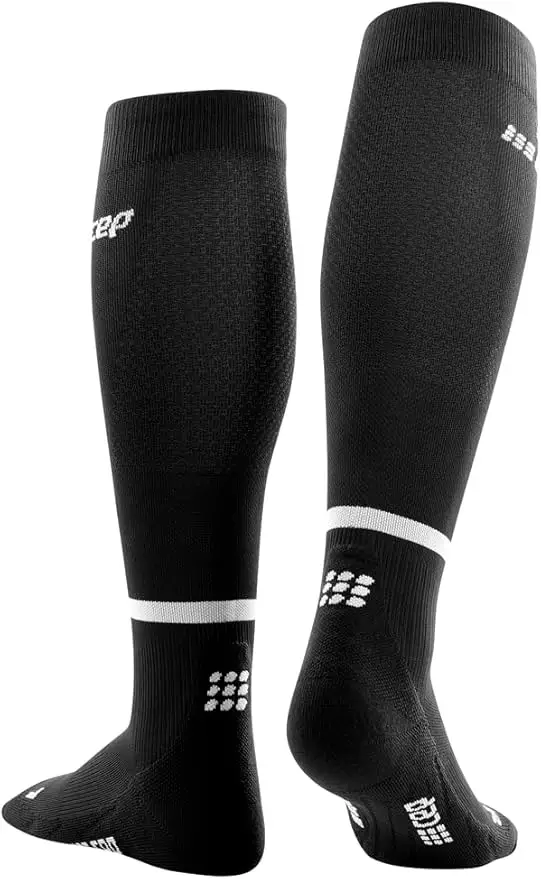
Weight: Midweight
Material: Merino wool + synthetic blend
Height: Over-calf
Best For: Recovery, long-distance hikes
Pros:
- Reduces fatigue
- Boosts circulation
- High-quality compression
- Breathable merino blend
Cons:
- Expensive
- Tough to put on
Price: $45–55
Trail-Tested Take: These truly reduce calf fatigue. Great for long days or back-to-back hiking days. For more options, check our best compression socks guide.
WHY HIKING SOCKS MATTER
Blister Prevention: The Number One Reason Hikers Upgrade
When you step onto a trail, your boots aren’t the only gear doing the hard work. Socks play a quietly critical role. First and foremost, blister prevention is the number one reason many hikers switch to dedicated hiking socks. On rugged terrai,n friction happens with every step, ep especially when feet sweat. Seamless construction and smooth stitching in quality hiking socks reduce abrasion. Because they also manage moisture, your skin stays more stable, and friction spots rarely develop. Proper cushioning adds another layer of protection so bones and joints absorb impact gently instead of pounding against trail rocks.
Moisture Management Keeps Your Feet Healthy
Moisture management matters a great deal, too. Hikers’ feet sweat, sometimes a lot, especially on uphill climbs or in warm weather. Ordinary cotton socks soak up sweat and hold onto it. That means your feet stay damp for hours. Meanwhile, damp fabric combined with movement equals blister guarantee. Hiking socks that use merino wool or technical synthetics pull moisture away from skin. That keeps feet dry and reduces friction. As a result,t you stay more comfortable for longer, and your feet stay healthier.
Temperature Regulation for Changing Conditions
Temperature regulation also stands out. Merino wool adapts to changing conditions. On a chilly morning, it traps warmth next to your skin. As the day warms up and your body heats, the same fibers release excess heat. For extended hikes that span multiple climates, this adaptability is priceless. On a hot midday climb,s hikers often feel cooler with merino than with cotton. On cold mornings or high-elevation treks, those same socks keep toes warm. That dual-season comfort makes merino ideal for most hiking conditions.
Cushioning and Support Reduce Fatigue
Cushioning and support make a real difference,e too. Good hiking socks place padding where you need it — heel, ball, ll and toes. This reduces impact, helps stabilize your foot inside a boot, and reduces fatigue over long miles. Some even add arch support so muscles do not tire quickly. For boots with taller shafts,s acushioning under the shin or calf can prevent rubbing and abrasion. For rocky terrain or heavy loads, you truly appreciate the difference.
Durability for Long-Term Performance
Durability matters last but not least. Trails are rough on socks,s including rocks, mud, abrasion from boots, and repeated washing. Quality hiking socks are made with reinforced high-wear areas, strong stitching, and materials that resist thinning. That means whether you are doing weekend hikes or a multi-week backpacking trip,s you get consistent performance. Investing in good hiking socks can save you pain and money over time.
HIKING SOCK WEIGHT GUIDE
Lightweight (Summer / Fast Hiking)
Lightweight socks are thin, breathable, and designed for hot weather, day hikes under 10 miles, or fast-paced trail runs. They often have minimal cushioning, ng so they stay light and dry quickly. Because they pack small and dry fast, they are great for hot climates, rapid ascents, or travel when you want a small, light pair. If you prioritize ventilation and speed over cushioning, this is the right weight.
Midweight (3-Season Versatile)
Midweight socks are the all-rounder. They offer moderate cushioning, good breathability, and enough warmth for spring, summer, and fall hikes. They shine on multi-day trips and mixed terrain because they balance comfort with versatility. Many hikers keep a coupleof pairs of midweight socks in their pack. For most weekend hikes or longer treks in temperate weather, midweight tends to deliver the best value.
Heavyweight (Winter / Cold Weather)
Heavyweight socks focus on maximum warmth and cushioning. They suit cold-weather hiking, mountaineering, or snow conditions, and provide extra padding for comfort in heavy boots. If you hike in chilly regions, during early morning starts, winter snow, or expect cold nights, heavyweight socks keep you warm and comfortable when thinner socks simply fail.
Expedition Weight (Extreme Conditions)
Expedition weight socks are ultra-thick, built for arctic or alpine conditions, multi-week expeditions, or heavy load backpacking where maximum durability and warmth are crucial. These socks offer maximum insulation, thick cushioning, and long-lasting materials, making them ideal when comfort outweighs weight and you expect harsh conditions.
6. HIKING SOCK HEIGHT GUIDE
Ankle / Low-Cut
Ankle or low-cut socks are best for trail runners, light hiking shoes, or hot-weather hikes. They minimize fabric coverage, so breathability is at its highest. This also reduces heat around the calf. However, they offer limited protection from debris like dirt, small rocks, or brush. If you hike in environments with lots of undergrowth or on rugged terrain, you may prefer taller heights.
Crew (Most Popular)
Crew socks hit around mid-calf and are the most popular height for hikers. They offer a balance of protection and comfort, giving enough coverage to guard against debris, brush, and boot rubbing without being too bulky. Crew height also adds warmth for cooler weather and prevents dirt from easily sliding inside your boots. For most day hikes or backpacking trips, crew socks deliver the best mix of versatility and protection. For more height options, see our best crew socks article.
Over-Calf / Knee-High
Over-calf socks or knee-high options are designed for tall boots, snow hiking, or brushy terrain. They give maximum coverage, protect shins and calves from scrapes, and help seal out debris or snow. On cold-weather hikes or mountaineering, they add warmth and extra padding where boots may rub. If you expect snow, deep brush, or want extra protection on steep climbs, over-calf height can be worth the extra fabric.
MERINO WOOL VS SYNTHETIC
Merino Wool Hiking Socks
Pros:
- Natural temperature regulation keeps feet warm in cold and cool in heat
- Odor resistance allows multi-day wear without smell build-up
- Excellent moisture-wicking even when sweating heavily
- Soft and comfortable for sensitive skin
Cons:
- More expensive than synthetic
- Dries more slowly when soaked
- Requires gentle care (avoid hot water & high heat)
Best for: Backpacking, cold weather, multi-day trips, when comfort and odor control matter
Because of its natural fiber performance, merino remains the gold standard for many hikers.
Synthetic Hiking Socks
Pros:
- Dry very quickly,y even when soaked
- Very durable under rugged conditions
- Usually cheaper than pure wool
- Easy care, machine-wash and dry
Cons:
- Retain odor more quickly
- Less natural temperature regulation — can feel clammy
- Less cushioning comfort compared to wool
Best for: Day hikes, humid conditions, budget hikers, or those who need quick-drying gear
When quick drying and durability under rough weather mmatter synthetics can outperform wool.
Wool Blends (Merino + Nylon or Synthetic)
Wool-blend socks aim to combine the best of both. They provide soft, moisture-wicking comfort from wool, with the durability and fast-drying properties of synthetics. Typically, they dry faster than pure wool, resist wear, and cost less. Although odor resistance is slightly reduced, many blends remain very functional and comfortable. They are often the most popular all-around choice for everyday hiking, because they balance price, performance, and longevity.
CHOOSING HIKING SOCKS BY ACTIVITY
Day Hiking (Under 10 miles)
For short day hikes where you expect light terrain and warm weather, lightweight to midweight socks work best. Choose ankle or crew height depending on your shoe style. Breathability and quick-drying matter more than thick cushioning. Budget-friendly options often perform adequately since mileage is low. If you hike often, keep a few pairs handy.
Backpacking (Multi-Day Trips)
On multi-day hikes or overnight treks, you need socks that stand up to repeated wear, moisture, and varied terrain. Midweight to heavyweight merino or wool-blend socks give you cushioning, temperature regulation, odor resistance, and durability. It’s smart to bring at least 2 to 3 pairs so you can alternate and let them dry. For long trails, it’s often worth investing in premium quality socks.
Thru-Hiking (Long Distance Over Weeks or Months)
With thru-hiking,g you demand socks that deliver durability, cushioning, moisture management, and long-term comfort over thousands of miles. Midweight or wool-blend crew socks are ideal. Choose pairs known for reinforced construction and longevity. Quick-drying properties help when you wash or rinse socks mid-trail. Bring multiple pairs and replace when signs of thinning show.
Winter Hiking and Snow Travel
Cold weather, snow, and icy trails call for heavyweight merino or wool-blend socks with over-calf height. They provide insulation, cushioning, and coverage against cold air and snow. Moisture control remains crucial because dampness in cold conditions reduces warmth drastically. Pair socks with well-fitted boots for the best results.
Trail Running or Fast Hikes
For trail runners or fast hikers, lightweight synthetic or merino socks with ankle or mini-crew height are ideal. Minimal cushion reduces bulk, while fast-drying fibers handle sweat and occasional rain. Breathability and a snug fit reduce hot spots and blisters. For crossover gear, refer to our best running socks article.
BUYING GUIDE
Fit is Critical
A good pair of hiking socks should fit snugly but not tightly. The heel cup must align with your heel to avoid slipping. There should be no bunching or wrinkles underfoot. Always try new socks with your hiking boots before a long trek. A poor fit undermines even the best materials.
Cushioning Zones Matter
Look for socks that concentrate padding on the heel and ball of the foot, sometimes also under the toes and shin. Avoid socks thick everywhere, because that adds bulk and can change the boot fit. The right cushioning improves comfort on rocks, roots, and uneven terrain. It also helps reduce impact and fatigue.
Considering a Sock Liner Strategy
Many seasoned backpackers use a thin liner sock under a thicker hiking sock. This doubles moisture control, reduces friction, and minimizes the chances of blisters. A liner absorbs sweat, and the outer sock provides cushioning and insulation. This strategy also helps when crossing streams or drying gear on the trail.
How Many Pairs to Bring
- Day hiking: 2–3 pairs
- Weekend trips: 2 pairs
- Week-long hikes: 3–4 pairs
- Thru-hiking / Long distances: 4–6 pairs (rotate often)
Rotating pairs reduces wear and gives socks time to dry, extending their lifespan.
When to Replace Your Hiking Socks
Replace socks when you notice visible thinning, holes, compressed cushioning, or loss of elasticity. After roughly 500 trail miles, even high-quality socks may begin to degrade. Poor cushioning ora loose fit can increase blister risk and reduce comfort.
Price versus Value
- Budget: $10–15 — decent for occasional hikes or backup pairs
- Mid-range: $15–25 — good balance of comfort, durability, and performance
- Premium: $25–35 — best for regular hiking, long trips, or demanding terrain
A premium pair with features like a lifetime warranty (as with Darn Tough) can offer excellent long-term value.
Top Hiking Sock Brands to Know
Some brands consistently deliver quality, comfort, and durability:
- Darn Tough for a lifetime guarantee and rugged performance
- Smartwool for merino comfort and versatile designs
- Farm to Feet for USA-made durable wool socks
- Wigwam for heavyweight warmth and budget-friendly options
- Balega for synthetic blister-resistant performance
Depending on your hike type, climate, and budget, you can choose accordingly.
FAQ: Common Questions About Hiking Socks
What are the best hiking socks?
The best hiking socks combine moisture-wicking fibers, cushioning, seamless toe,s and the correct height for your boot type. Many hikers favor merino wool socks like Darn Tough Hiker or Icebreaker Hike+ for all-around performance.
Should hiking socks be thick or thin?
It depends on the season and terrain. Th, in lightweight socks work for summer hikes and trail runs. Thick midweight or heavyweight socks offer cushioning and warmth for rough terrain, long hikes, kes or cold weather.
Are wool hiking socks better than synthetic ones?
Each has strengths. Wool, especially merino, regulates temperature, resists odor, and wicks moisture while staying soft and comfortable. Synthetic dries faster and is often cheaper. Wool tends to win for long hikes and multi-day trips. Synthetic options can excel in wet or budget-sensitive situations.
What height hiking socks should I get?
Ankle socks suit light shoes and warm weather. Crew socks are the most versatile for boots and moderate terrain. Over-calf socks give maximum coverage for snow, brush, or mountaineering.
How many pairs of hiking socks do I need?
At least two for day hikes. For a week-long trip,s plan for three to four pairs. For multi-week or long-distance hikes, es expect four to six or more. Rotating pairs allows drying and reduces wear.
Performance, C, are and Daily Use
Can you wear running socks for hiking?
Yes, for light hikes or warm weather. But they often lack the cushioning and durability needed for rocky terrain or long treks. For serious hiking, dedicated hiking socks are better.
How do I prevent blisters with hiking socks?
Use socks with seamless construction, good moisture-wicking, proper fit, and cushioning where needed. Many hikers use a thin liner sock under a thicker sock for added friction reduction and moisture control.
How long do hiking socks last?
With proper care and rotation, quality socks like those from Darn Tough or Smartwool can last for hundreds of miles. Replace once cushioning compresses, holes appear,r or fibers thin visibly. After about 500 trail miles, es expect signs of wear.
Should I wear two pairs of socks hiking?
A liner sock under a hiking sock helps manage moisture and reduce friction. This double-layer strategy improves comfort and reduces blister risk, especially on long hikes in wet conditions.
Can you wear hiking socks every day?
Yes, especially midweight or lightweight merino hiking socks. Their moisture control, odor resistance, and comfort make them great for casual wear. However, rotating pairs and washing regularly will extend their life.
CONCLUSION
Hiking socks are not optional gear; they are essential. The wrong socks can turn a great hike into a painful slog, while the right ones can make even a tough trail feel manageable. The 15 hiking socks above cover every need from summer day hikes tocto cold-weatheruntaineering, from budget-friendly multipacks to premium merino comfort. If you hike regularly, investing in midweight merino socks offers the best balance of comfort, durability, moisture management, and temperature control. Rotate your pairs wisely and replace them when wear shows. Whether you are backpacking through rugged wilderness or strolling forest paths, quality hiking socks make every step better. Happy trails — and may your feet thank you on every hike.